
Australia: Brisbane hotel welcomes first "macrofarm" for indoor growing
Source: VFD.com
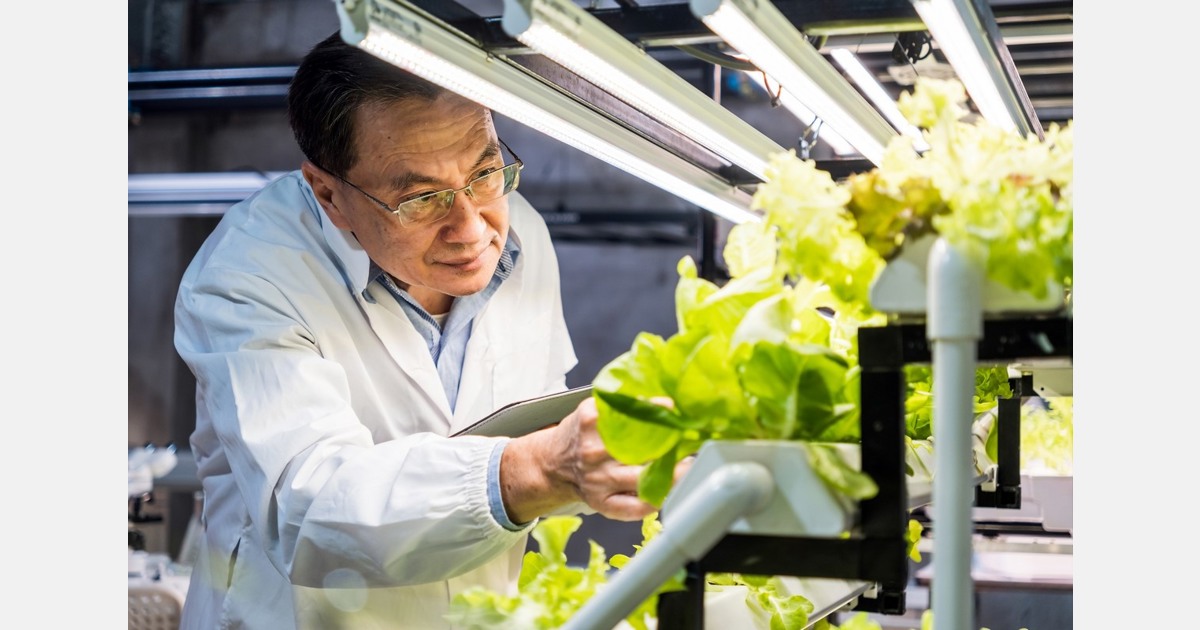
Over about 10 days, seeds are propagated, germinated and harvested. Greenspace founder and CEO Peter Fox said the expansion represented a broader change where companies are moving beyond sustainability as just a concept.
"We're shifting from a framework where buildings simply consume resources, to one where they actively produce them as well," Fox said. "It's a model that makes both commercial and environmental sense for some of our customers like Amora, Sofitel, the Greenbank SC and W hotel." He added that by embedding networked food production into a community, supply chain reliance is being reduced while nutrition, consistency and quality are improved.
The Greenspace model allows for hyperlocal supply to reduce food miles and transport emissions, while using up to 95 percent less water than traditional farming methods.
Why this matters: For operators, this is a water-management story. The useful signal is that direct substrate measurements can help cut drain loss materially without giving up yield or fruit quality, which is exactly the kind of controllable efficiency gain a facility can build on.
Frequently Asked Questions
Why does substrate sensing matter in free-drain strawberry systems?
Because drain percentage tells a grower what already happened, while substrate moisture and EC data show root-zone conditions directly. That makes it easier to cut water loss without guessing.
What is the operator takeaway from this trial?
If the thresholds are understood well enough, growers can reduce drain water materially while protecting yield and fruit quality, which makes sensing an operational tool instead of a reporting tool.


