Calculating ROI as a greenhouse grower
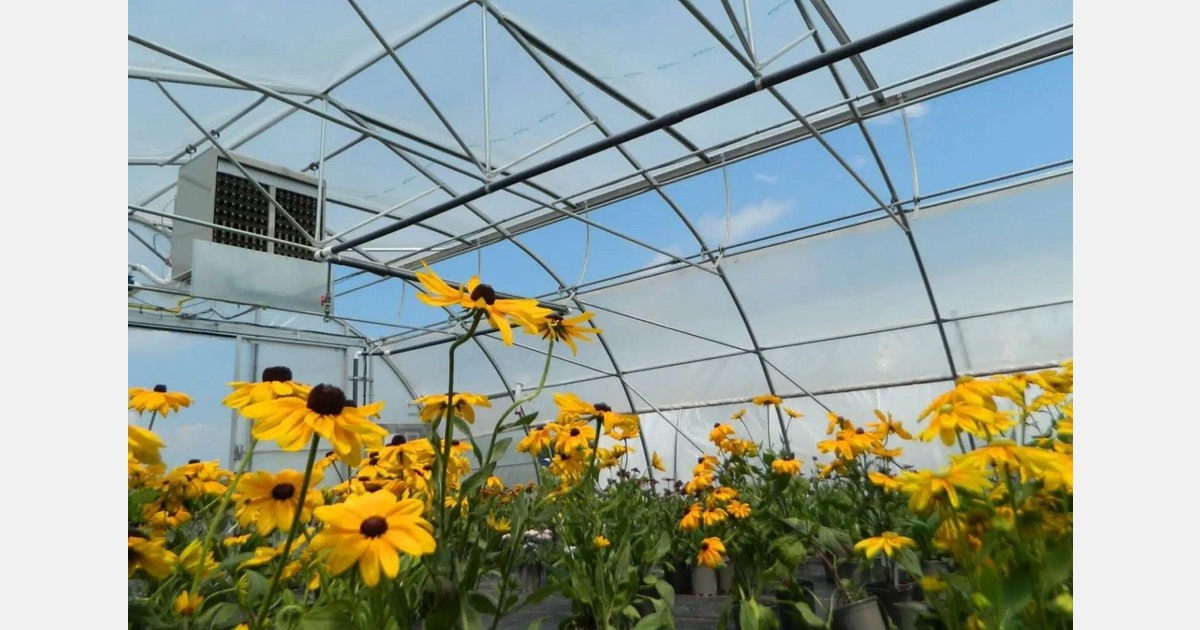
Source: HD.com
Calculating ROI as a greenhouse grower As input costs rise and margins tighten, greenhouse operations are increasingly judged not just on yield, but on how efficiently they generate returns. At its simplest, greenhouse ROI is calculated by dividing net profit by total investment cost — but in practice, it reflects how well design, systems, crop strategy, and operations work together over time.
Capital expenditure covers everything needed to get a facility operational, from structure and glazing to climate control, irrigation, lighting, and automation — ranging from $10 to over $100 per square foot depending on technology level. Improving ROI comes down to smart decisions across several areas: designing for efficiency from the outset, applying automation strategically, optimising crop mix, and leveraging supplemental lighting where it makes sense.
Why this matters: ROI only looks simple on paper. In practice it forces operators to connect facility design, crop choice, energy, labor, and market assumptions into one operating model, which is where many expensive mistakes first become visible.
Frequently Asked Questions
What usually has the biggest impact on greenhouse ROI?
Yield per square foot, crop value, labor efficiency, energy intensity, and whether the facility was designed for the actual crop and market it is serving.
Why is payback period not enough by itself?
A project can hit a headline payback target and still be operationally fragile. Resilience, scalability, and controllable costs matter just as much.


