"Choosing growing substrate consciously"

Source: VFD.com
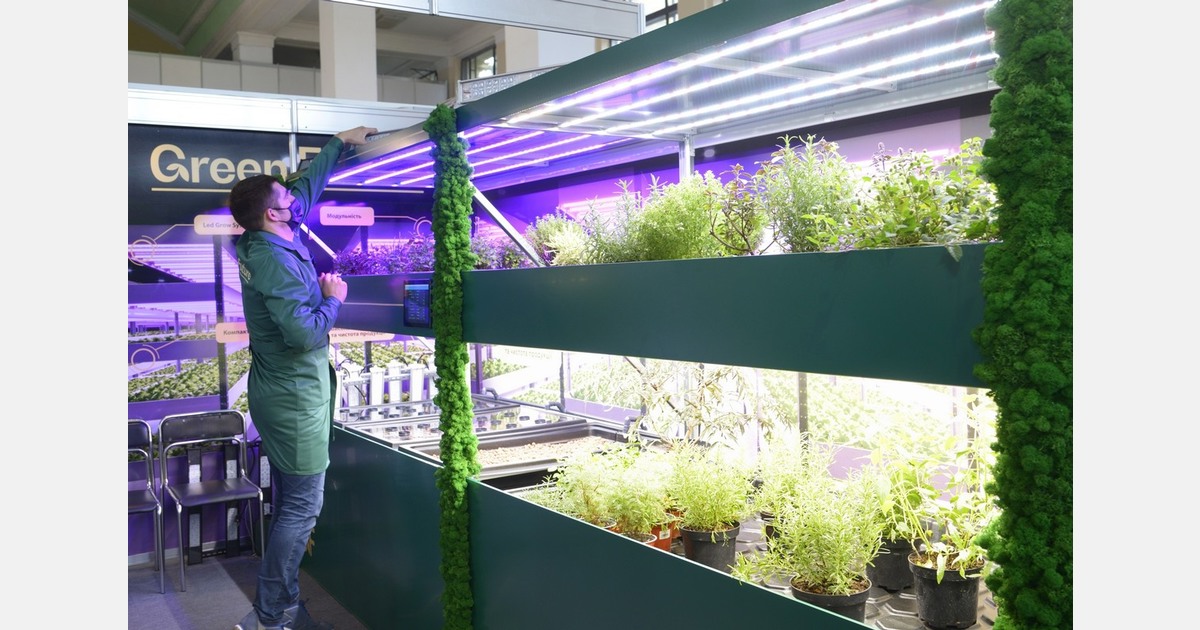
"Choosing growing substrate consciously" Growers across the horticultural sector are preparing to order substrates for the 2026/2027 growing season. "The longer the crop cycle, the more important these parameters become for root quality and, ultimately, for aboveground development and yields." © Thijmen Tiersma | VerticalFarmDaily.com Peat Peat has exceptional physical, chemical and biological properties for plant growth, which is why it has long been widely used.
In the popular press, peat use is often portrayed as unsustainable because it is said to contribute to climate change and other environmental problems, Simon notes (1). "During my career as a consultant, I was able to guide very large commercial growing projects, both in the Netherlands and abroad." The following substrates worked well in those projects: sphagnum peat mixed with perlite (30-35%).
sphagnum peat mixed with biochar (20-25%) coco fibers mixed with perlite (25-30%) pure perlite in containers The mixing ratios of all these blends depend on water quality and the climate in which the crops are grown, Simon adds. Poor pH control can lead to lower yield and quality." Finally, from the start and throughout the entire crop cycle, it is important to monitor the oxygen content of the irrigation and drain water closely.
Why this matters: For operators, this is a water-management story. The useful signal is that direct substrate measurements can help cut drain loss materially without giving up yield or fruit quality, which is exactly the kind of controllable efficiency gain a facility can build on.
Frequently Asked Questions
Why does substrate sensing matter in free-drain strawberry systems?
Because drain percentage tells a grower what already happened, while substrate moisture and EC data show root-zone conditions directly. That makes it easier to cut water loss without guessing.
What is the operator takeaway from this trial?
If the thresholds are understood well enough, growers can reduce drain water materially while protecting yield and fruit quality, which makes sensing an operational tool instead of a reporting tool.