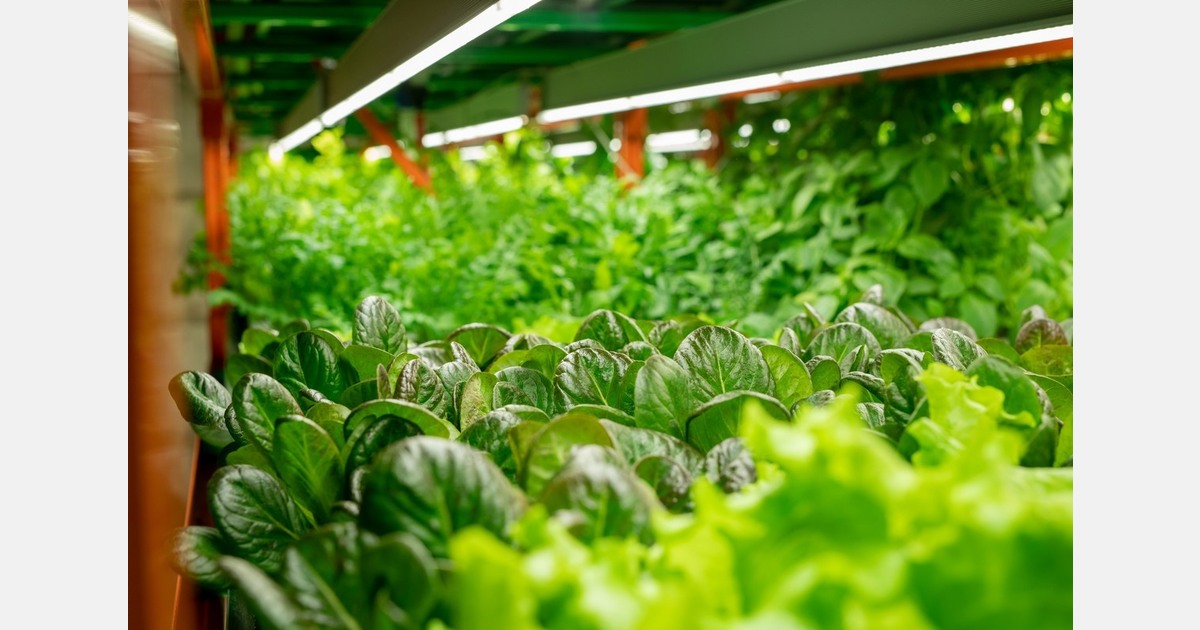
Coir substrate demand grows as India’s protected‑cultivation footprint expands
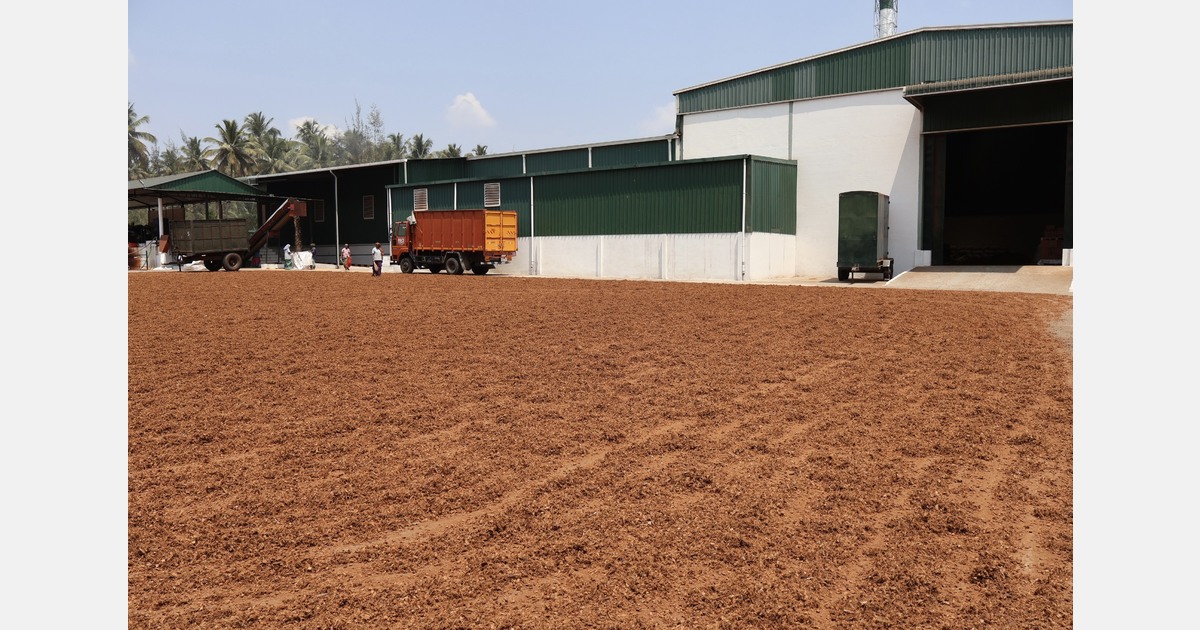
Source: HD.com
Coir substrate demand grows as India’s protected‑cultivation footprint expands Demand for coir substrates in India has been growing at an estimated 15–20% per year over recent seasons, fuelled by the rapid rise of polyhouse and hydroponic vegetable production, says Akshay AG of Biogrow Substrates India. "We also work with other protected crops gaining traction in organised retail and export, such as beef tomatoes, cucumbers, melons, and berries, by refining substrate blends for particular crops and climates and collaborating with growers on irrigation and fertigation strategies." He adds, "When clients tell us they're seeing more uniformity, cleaner production cycles, and less crop stress, that's how we know our premium substrates are delivering real value in the field." Growers often face inconsistent cocopeat quality, limited technical know‑how, and unreliable supply chains, which Biogrow India aims to address.
By investing heavily in raw‑material selection, precise processing, and strict quality control, we're also developing crop‑specific blends and improving growbag designs to boost root‑zone performance and ease of use." © Biogrow Substrates India Variability in cocopeat can directly affect crop performance, and many new growers in India struggle with irrigation and nutrient management too. "To give them the very best chance of success Biogrow continues to offer consistent substrate quality with a technical advisory service, where our experienced growers provide on‑site visits, troubleshooting, and guidance." Today, Biogrow works with more than 300 growers across India, spanning large‑scale commercial greenhouses and emerging start ups in container and hydroponic farming that grow tomatoes, cucumbers, and berries, from a few thousand plants to multi‑hectare operations.
Why this matters: This matters when it gives operators a clearer way to manage water, nutrients, and root-zone risk. That kind of control usually improves both resource efficiency and crop consistency.
Frequently Asked Questions
What usually causes seedling stretching in greenhouse production?
Stretching is often tied to an imbalance between light, temperature, spacing, and irrigation, especially when young plants are pushed to grow faster than their environment can support cleanly.
Why is stretching more than a cosmetic issue?
Because elongated seedlings are harder to handle, root, and finish consistently. Early stretch often creates labor and uniformity problems later in the crop cycle.