
Comparing greenhouse cucumber cultivation in arid regions with native crops
Source: HD.com
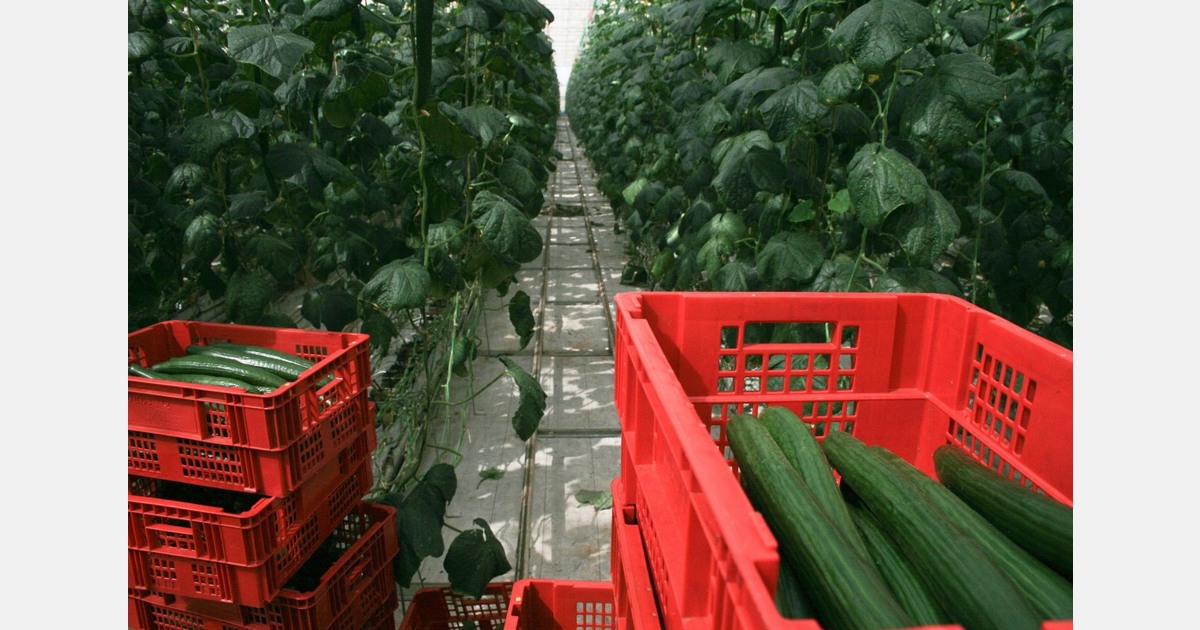
Cucumber sho we d 4.5 times higher CO₂ emissions (2443 kg CO2 eq) and over 8 times more water demand (95.42 m3) than O. For the cucumber, the operational phase was dominated by diesel and electricity consumption, which influenced global warming (90.8%), ozone formation (88.5%), and ecotoxicity potential (59–78%).
Both crops showed significant impacts during the greenhouse construction phase (> 95% contribution), linked mainly to materials such as concrete and cables. Although the economic analysis highlighted a higher internal rate of return (21.49%) and a shorter payback period (6.44 years) for cucumber, its cultivation was not economically justifiable due to the nearly 10 times higher water and fuel consumption.
Why this matters: This matters when it gives operators a clearer way to manage water, nutrients, and root-zone risk. That kind of control usually improves both resource efficiency and crop consistency.
Frequently Asked Questions
What should growers evaluate before changing a lighting strategy?
They should look at crop type, canopy structure, current light distribution, energy cost, expected yield gain, and whether the new strategy improves whole-canopy efficiency.
Why is light distribution often as important as light quantity?
Because adding more photons to already saturated leaves does less work than improving how light reaches the parts of the canopy that are still underperforming.


