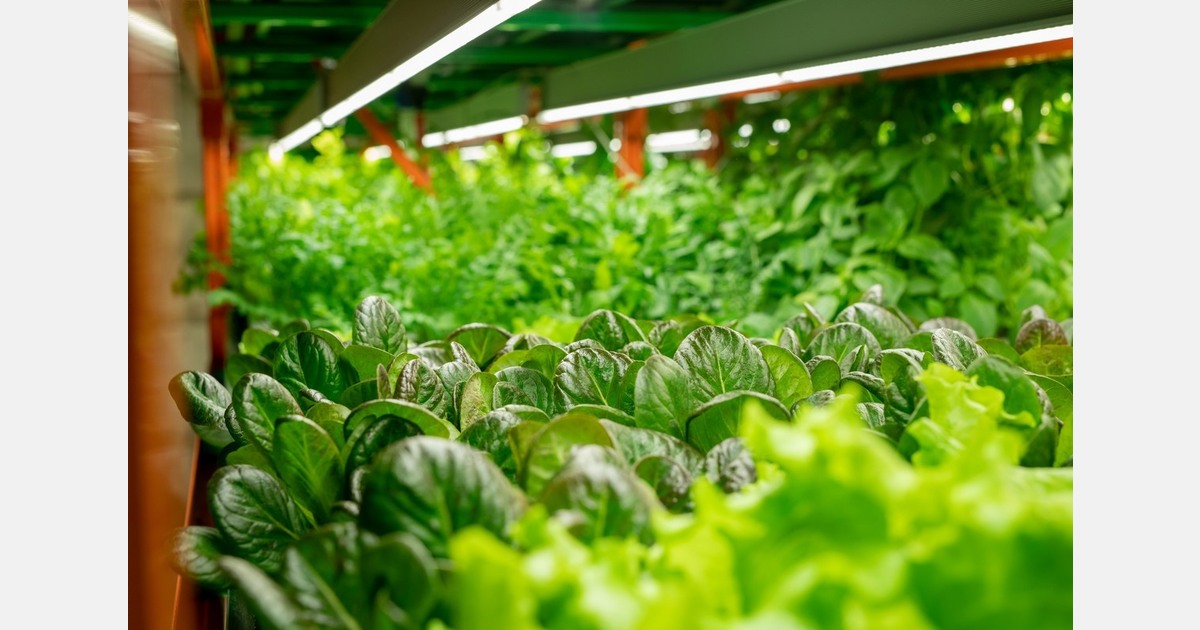
Day 1 agenda released for the Leafy Hydroponics Summit 2026

Source: HD.com
Day 1 agenda released for the Leafy Hydroponics Summit 2026 Thanks! Hydroponic and controlled environment systems have become key tools in addressing these challenges, offering greater control over crop conditions and enabling year-round production closer to consumers.
Success is no longer defined by individual technologies alone, but by how effectively different components, such as greenhouse design, crop strategy, lighting, climate control, automation, and post-harvest handling, are integrated into a cohesive and efficient operation. This shift toward system-level thinking is reflected in the Day 1 agenda of the Leafy Hydroponics Summit (LHS) 2026, which has now been released.
The 2026 program emphasizes the transition from innovation to implementation, addressing both strategic and operational aspects of scaling production. While Day 1 focuses on strategic and technical content, the agenda for Day 2 will be published soon and will center on on-site visits to leading greenhouse operations and research facilities, offering participants a closer look at hydroponic leafy greens production in practice.
Why this matters: For operators, this is a water-management story. The useful signal is that direct substrate measurements can help cut drain loss materially without giving up yield or fruit quality, which is exactly the kind of controllable efficiency gain a facility can build on.
Frequently Asked Questions
Why does substrate sensing matter in free-drain strawberry systems?
Because drain percentage tells a grower what already happened, while substrate moisture and EC data show root-zone conditions directly. That makes it easier to cut water loss without guessing.
What is the operator takeaway from this trial?
If the thresholds are understood well enough, growers can reduce drain water materially while protecting yield and fruit quality, which makes sensing an operational tool instead of a reporting tool.