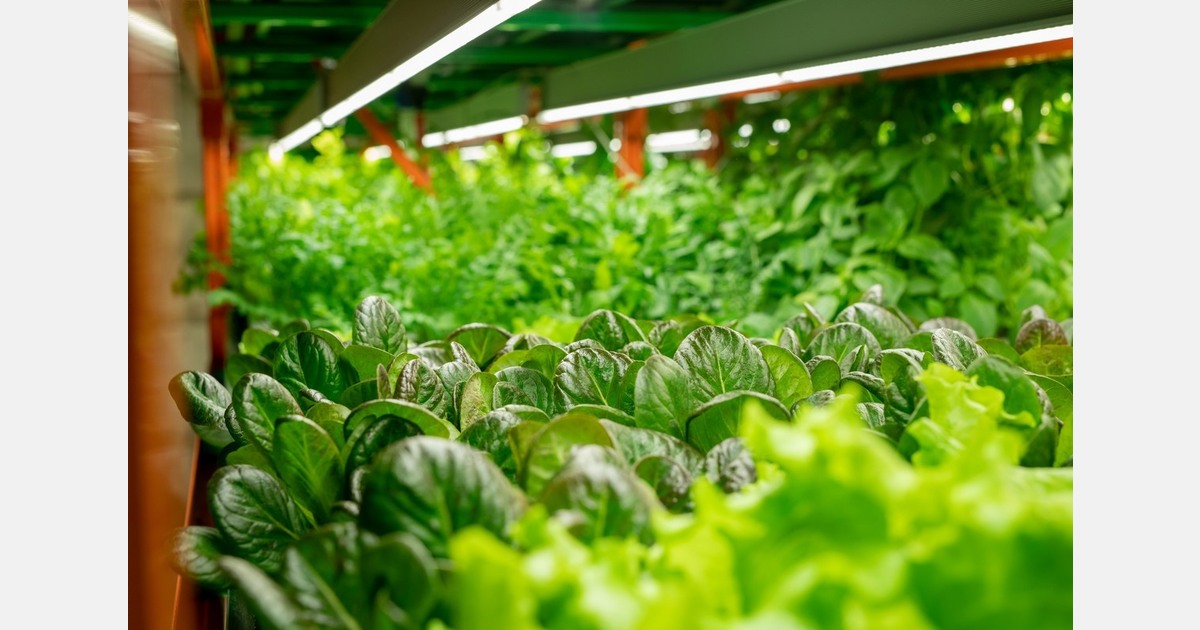
Enhancing vegetable production in Fergana Valley, Uzbekistan

Source: HD.com
By optimizing and modernizing 60 smallholder farmers' greenhouses, covering a combined area of 18,900 square meters, the project supports local farmers in boosting productivity, improving vegetable quality, and strengthening market connections. However, limited water resources and rising temperatures challenge the region's semi-arid climate, affecting soil health and crop yields.
© Food and Agriculture Organization of the United Nations The project modernizes greenhouses with reinforced structures, high-quality covering materials, and water-saving technologies across Fergana, Andijan, and Namangan regions. To control pests and diseases, the project introduced a range of protective measures, including high-quality covering materials, anti-insect nets, insect traps, double-door systems, and disinfection mats at greenhouse entrances.
The project developed ten capacity-building modules on greenhouse management, vegetable production, irrigation, fertilization, seedling production, and pest and disease control. More than 300 participants, including smallholder farmers, rural community members, youth, government agencies, and private sector representatives, attended 20 in-class training sessions, building foundational skills and knowledge in greenhouse management, good agricultural practices (GAP), and IPM techniques.
Why this matters: For operators, this is a water-management story. The useful signal is that direct substrate measurements can help cut drain loss materially without giving up yield or fruit quality, which is exactly the kind of controllable efficiency gain a facility can build on.
Frequently Asked Questions
Why does substrate sensing matter in free-drain strawberry systems?
Because drain percentage tells a grower what already happened, while substrate moisture and EC data show root-zone conditions directly. That makes it easier to cut water loss without guessing.
What is the operator takeaway from this trial?
If the thresholds are understood well enough, growers can reduce drain water materially while protecting yield and fruit quality, which makes sensing an operational tool instead of a reporting tool.