FreFarm reports successful first year of in-house cucumber propagation

Source: HD.com
The facility has enabled FreFarm to produce high-quality cucumber seedlings year-round, with greater control over their quality and availability and less risk of introducing pests, diseases and viruses from external suppliers. FreFarm has grown cucumbers for the past four years in its 1.6-hectare greenhouse equipped with Philips GreenPower LED toplighting compact.
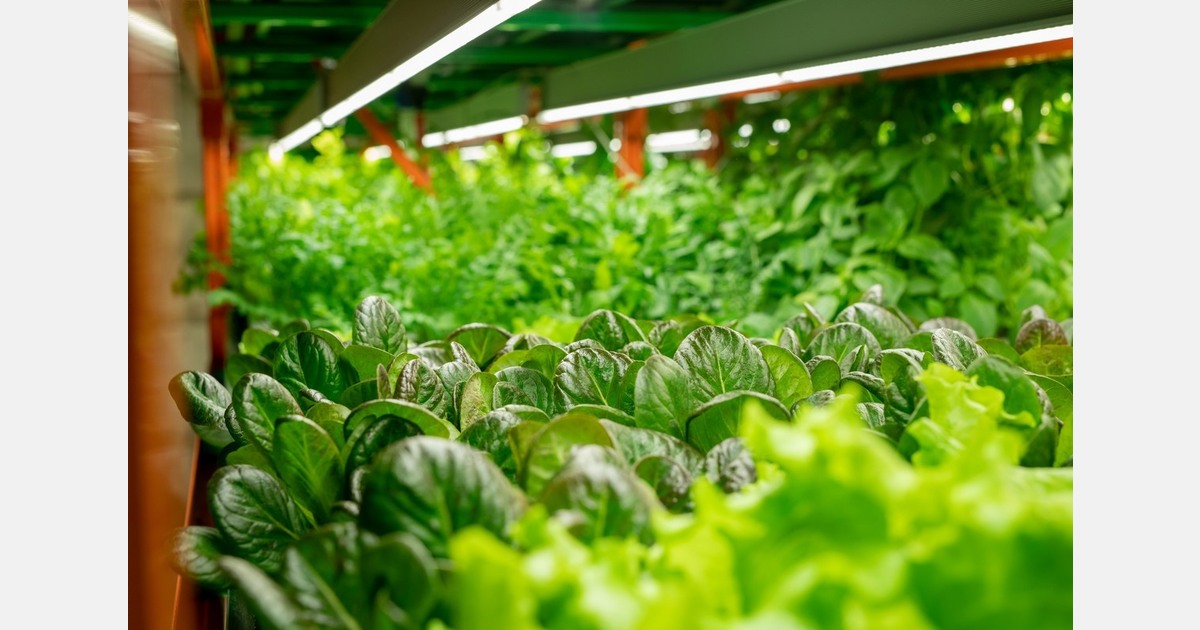
To gain greater control over seedling quality and availability, FreFarm selected Signify's technology for its indoor multi-layer propagation facility. The facility consists of three containers each equipped with two four-layer racks, enabling FreFarm to produce up to 45,000 seedlings per cycle.
"Although propagating cucumbers using only LED lighting in an indoor propagation facility was new to us, we were able to establish a stable propagation process by developing an optimized light recipe with the technical support of the Philips horticulture experts' team," said In Woo Nam, Head grower at FreFarm. Denis Dullemans joins MechaTronix as Chief Commercial Officer Related Articles “With HPS, you can activate the crop more effectively” FreFarm reports successful first year of in-house cucumber propagation LEDs will help Thanet Earth grow cucumbers throughout the UK winter "We are a separate, independent company — this news does not affect us" Price-based dimming: Optimizing supplemental lighting around energy costs Related Articles "This type of project reflects where we believe controlled environment agriculture is heading" Hortilux Schréder declared bankrupt, restart under consideration "We wanted one SKU that covers more of the site" Lighting: what comes after the efficacy race?
Why this matters: For operators, this is a water-management story. The useful signal is that direct substrate measurements can help cut drain loss materially without giving up yield or fruit quality, which is exactly the kind of controllable efficiency gain a facility can build on.
Frequently Asked Questions
Why does substrate sensing matter in free-drain strawberry systems?
Because drain percentage tells a grower what already happened, while substrate moisture and EC data show root-zone conditions directly. That makes it easier to cut water loss without guessing.
What is the operator takeaway from this trial?
If the thresholds are understood well enough, growers can reduce drain water materially while protecting yield and fruit quality, which makes sensing an operational tool instead of a reporting tool.