
How to control seedling stretching in the greenhouse
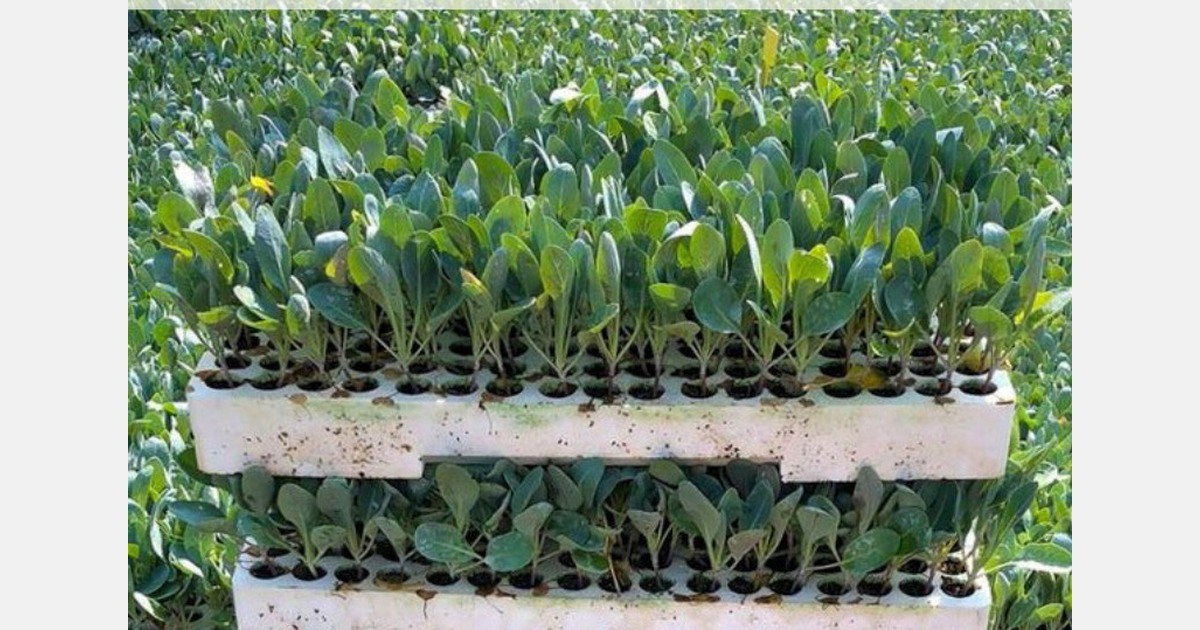
Source: HD.com
How to control seedling stretching in the greenhouse Seedling stretching remains a common challenge in nurseries, often affecting transplant quality and ultimately reducing crop yield. Elongated seedlings tend to develop thin, weaker stems and show greater sensitivity to environmental and mechanical stress, making their management a priority for growers aiming for consistent results.
Its range includes systems for substrate preparation, seeding, automated irrigation, transplanting, handling, and container cleaning and disinfection. By combining these technologies, nurseries can achieve greater precision and uniformity throughout the production process, optimize density and substrate management, control moisture levels, and promote healthier root systems.
Why this matters: This matters when it gives operators a clearer way to manage water, nutrients, and root-zone risk. That kind of control usually improves both resource efficiency and crop consistency.
Frequently Asked Questions
What usually causes seedling stretching in greenhouse production?
Stretching is often tied to an imbalance between light, temperature, spacing, and irrigation, especially when young plants are pushed to grow faster than their environment can support cleanly.
Why is stretching more than a cosmetic issue?
Because elongated seedlings are harder to handle, root, and finish consistently. Early stretch often creates labor and uniformity problems later in the crop cycle.


