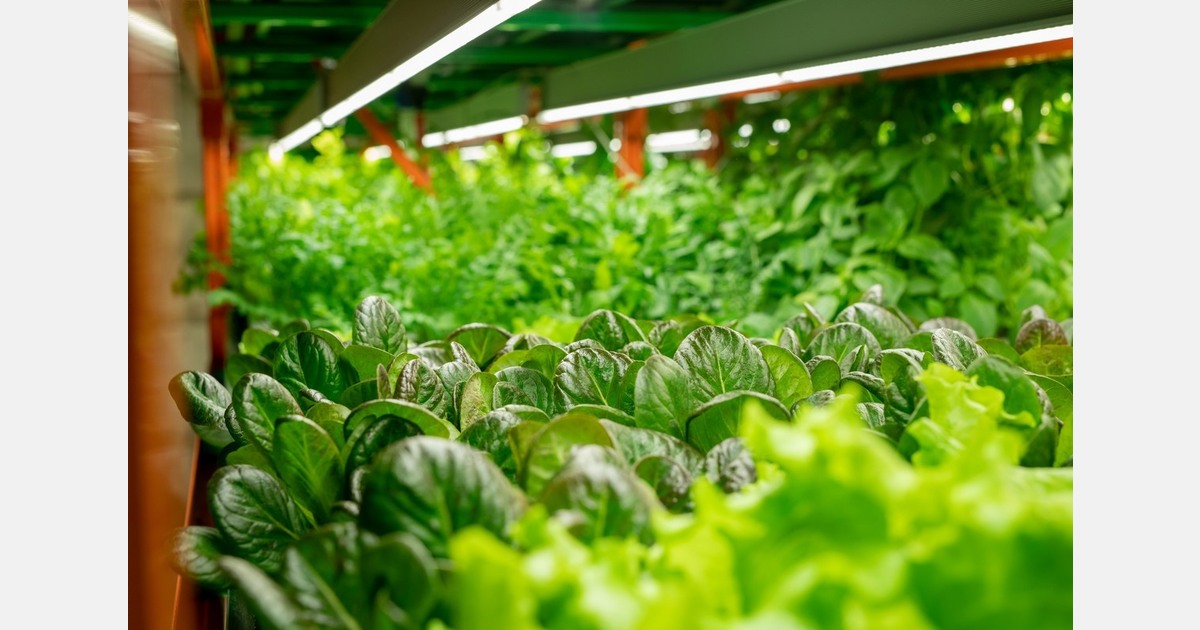
New sensor could help tailor fertiliser to plants’ needs and reduce nutrient discharge

Source: HD.com
Even so, greenhouses periodically discard the water and start again with a fresh mixture. The aim is to bring these steps together in a robust, relatively inexpensive device that can be connected to existing greenhouse irrigation systems.
The plan is to connect the system to the digital platform InfoGrow, which is already used to monitor and control greenhouse conditions, including temperature, heating, windows and screens. © Syddansk Universitet Benefits for growers and the environment More precise control could help growers save both water and fertiliser.
Testing in a German greenhouse NutriCycle has a total budget of just over €1.8 million, of which approximately €1.2 million comes from Interreg Deutschland–Danmark. NutriCycle invites growers, companies, researchers and other interested parties to its kick-off event on 28 October 2026, from 10.00 to 12.00.
Why this matters: For operators, this is a water-management story. The useful signal is that direct substrate measurements can help cut drain loss materially without giving up yield or fruit quality, which is exactly the kind of controllable efficiency gain a facility can build on.
Frequently Asked Questions
Why does substrate sensing matter in free-drain strawberry systems?
Because drain percentage tells a grower what already happened, while substrate moisture and EC data show root-zone conditions directly. That makes it easier to cut water loss without guessing.
What is the operator takeaway from this trial?
If the thresholds are understood well enough, growers can reduce drain water materially while protecting yield and fruit quality, which makes sensing an operational tool instead of a reporting tool.