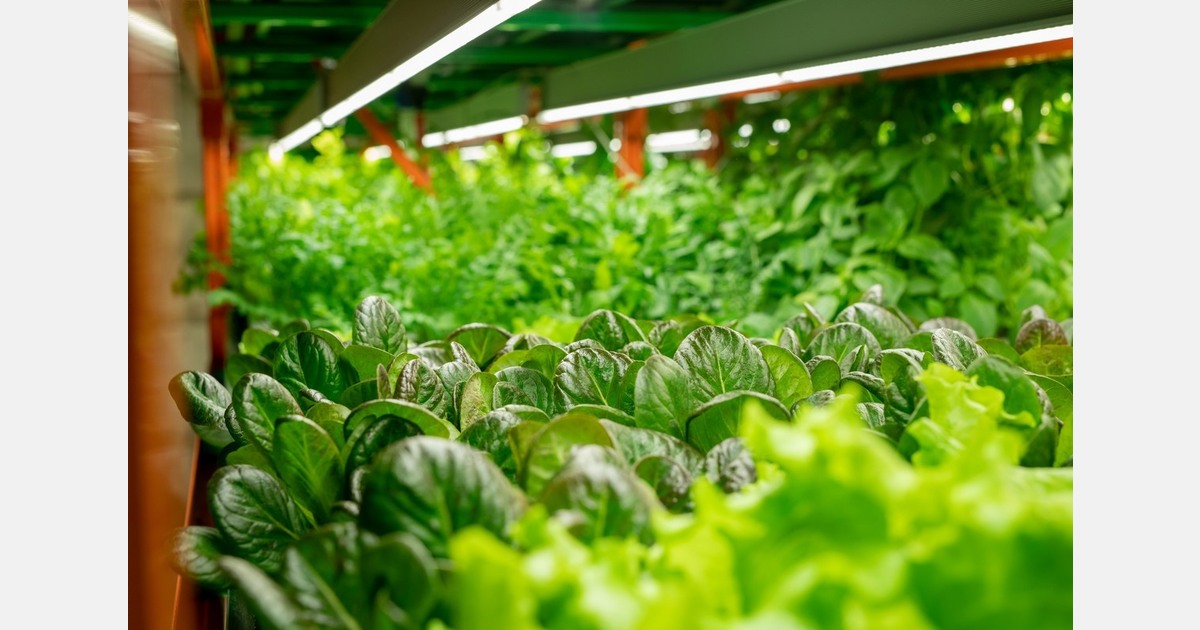
Oxygen levels in irrigation water deserve more attention during summer

Source: VFD.com
Oxygen levels in irrigation water deserve more attention during summer Thanks! "Warm water contains less dissolved oxygen, while summer is precisely the period when root zone pressure increases," says Harm Vogels of Moleaer.
© Moleaer Left: Low and decreasing oxygen content as temperature rises, right: increased oxygen content with nanobubbles "Water temperature and dissolved oxygen have an inverse relationship: the warmer the water, the less oxygen it can hold," Vogels explains. Moleaer uses nanobubble technology to retain oxygen in irrigation water and transport it to the root zone.
This supports better root health, even under extreme heat conditions." Moleaer's system can be seen during GreenTech Amsterdam 2026 at the Royal Brinkman stand, stand 01.227. Predict the matches and stand a chance to win a prize San Diego Farms announces new Senior Vice President of Sales US (VA): Following merger, former Soli Organic location in Harrisonburg to close USDA announces $9.75 million in grant funding, including micro-grants for food security Nature's Miracle enters LOI to acquire 55% stake in US manufacturer CM Fabrication Australian vegetable growers face 61% diesel cost increase Related Articles From Dutch market gardens to global innovation: The Moerman family story Delphy appoints new Managing Director for the Netherlands Oxygen levels in irrigation water deserve more attention during summer UK: CambridgeHOK to build third phase of Dyson strawberry site The FIFA World Cup is getting closer!
Why this matters: For operators, this is a water-management story. The useful signal is that direct substrate measurements can help cut drain loss materially without giving up yield or fruit quality, which is exactly the kind of controllable efficiency gain a facility can build on.
Frequently Asked Questions
Why does substrate sensing matter in free-drain strawberry systems?
Because drain percentage tells a grower what already happened, while substrate moisture and EC data show root-zone conditions directly. That makes it easier to cut water loss without guessing.
What is the operator takeaway from this trial?
If the thresholds are understood well enough, growers can reduce drain water materially while protecting yield and fruit quality, which makes sensing an operational tool instead of a reporting tool.