
Peru: An ESP32-based automated system for monitoring vertical hydroponic farms and air quality
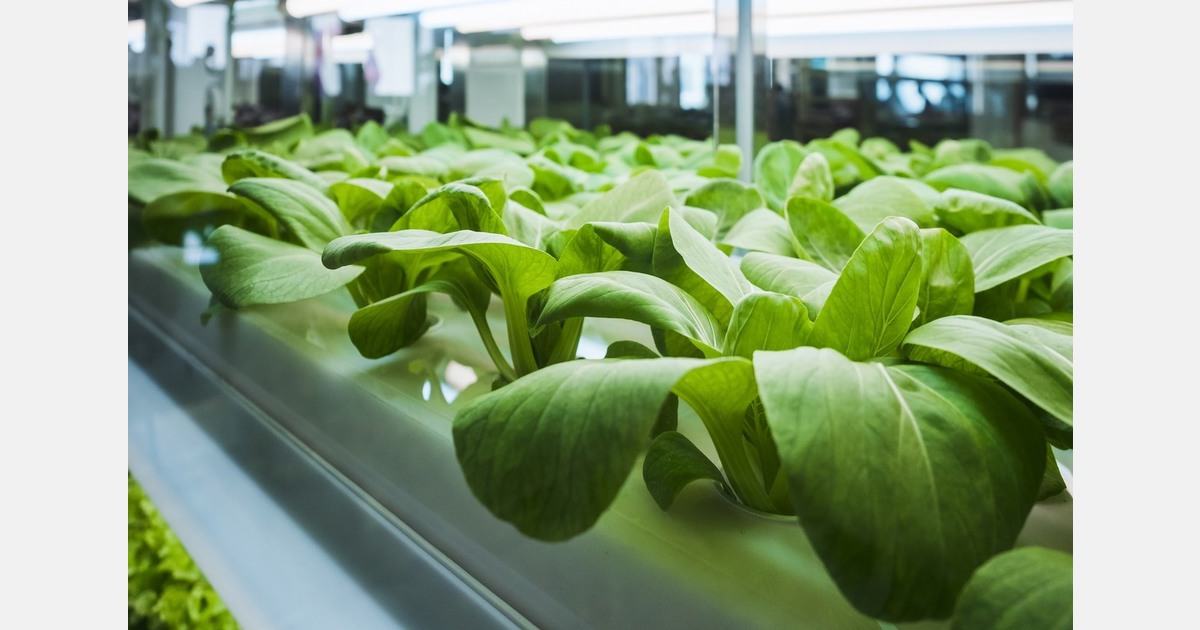
Source: VFD.com
Peru: An ESP32-based automated system for monitoring vertical hydroponic farms and air quality Thanks! Peru: An ESP32-based automated system for monitoring vertical hydroponic farms and air quality Make us your Google favorite Urban population growth has increased air pollution levels and adversely affected public health, highlighting the need for sustainable solutions in densely populated cities.
Research shows that urban agriculture and vertical hydroponic farming contribute to improving the urban climate through the integration of sensors and intelligent control models. This research proposes a low-cost automated system based on ESP32 for hydroponic crops and environmental monitoring, integrating sensors, actuators, and threshold-based control algorithms with wireless connectivity to regulate agro-environmental variables.
The results show that automated irrigation control, real-time monitoring, and CO2 reduction were achieved under controlled conditions, demonstrating its usefulness for environmental management. Automated system with ESP32 for monitoring vertical hydroponic farming and air quality.
Why this matters: For operators, this is a water-management story. The useful signal is that direct substrate measurements can help cut drain loss materially without giving up yield or fruit quality, which is exactly the kind of controllable efficiency gain a facility can build on.
Frequently Asked Questions
Why does substrate sensing matter in free-drain strawberry systems?
Because drain percentage tells a grower what already happened, while substrate moisture and EC data show root-zone conditions directly. That makes it easier to cut water loss without guessing.
What is the operator takeaway from this trial?
If the thresholds are understood well enough, growers can reduce drain water materially while protecting yield and fruit quality, which makes sensing an operational tool instead of a reporting tool.


