
Shaping the future of horticulture and robots together
Source: HD.com
Shaping the future of horticulture and robots together Imagine: a robot gently picking a ripe strawberry without turning it into jam, a drone flying through a greenhouse to assess the health of cucumber plants, and sensors that detect exactly when a tomato is ready for harvest. From its opening in june 2026, researchers, students, and businesses will collaborate here to build the future of horticulture, where technology and biology go hand in hand.
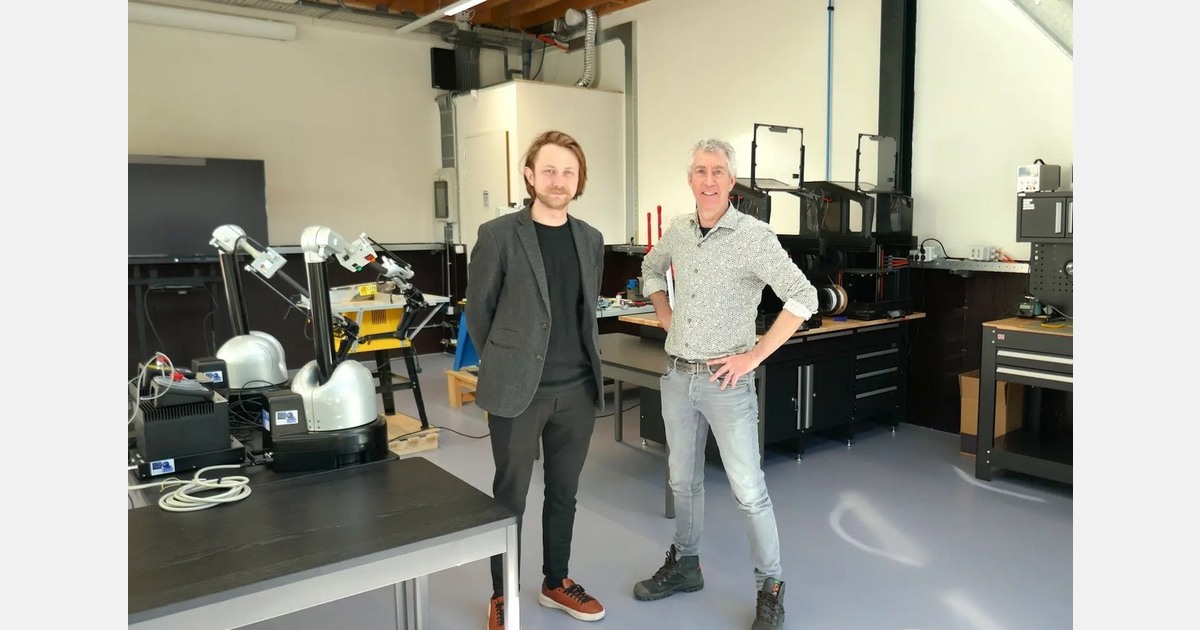
"We had to remove a partition wall and an intermediate floor to make the lab large enough for testing drones, robotic arms, and sensors." Peter Keunen, building manager at Maastricht University, adds, "It was a big job, but now we have a space that's truly suited to our experiments." © Brightlands High Tech Agro The lab is equipped with the latest technology: from touch-sensitive collaborative robots (cobots) that work safely alongside humans, to mobile robot carts that navigate greenhouses. "More and more high-tech equipment will be arriving during 2026," says Leonard.
Why this matters: This matters when it gives operators a clearer way to manage water, nutrients, and root-zone risk. That kind of control usually improves both resource efficiency and crop consistency.
Frequently Asked Questions
Why do retrofit and environmental-control choices matter so much?
Because these decisions affect every crop cycle that follows. A better control strategy can improve consistency and efficiency, while a poor one can lock in operating drag.
What should operators focus on when reading design or retrofit stories?
They should focus on what changed operationally: better climate stability, lower energy use, improved crop balance, easier labor, or cleaner control over inputs.


