
Taking a bet on a 1-acre greenhouse that's paying off in profits and family time
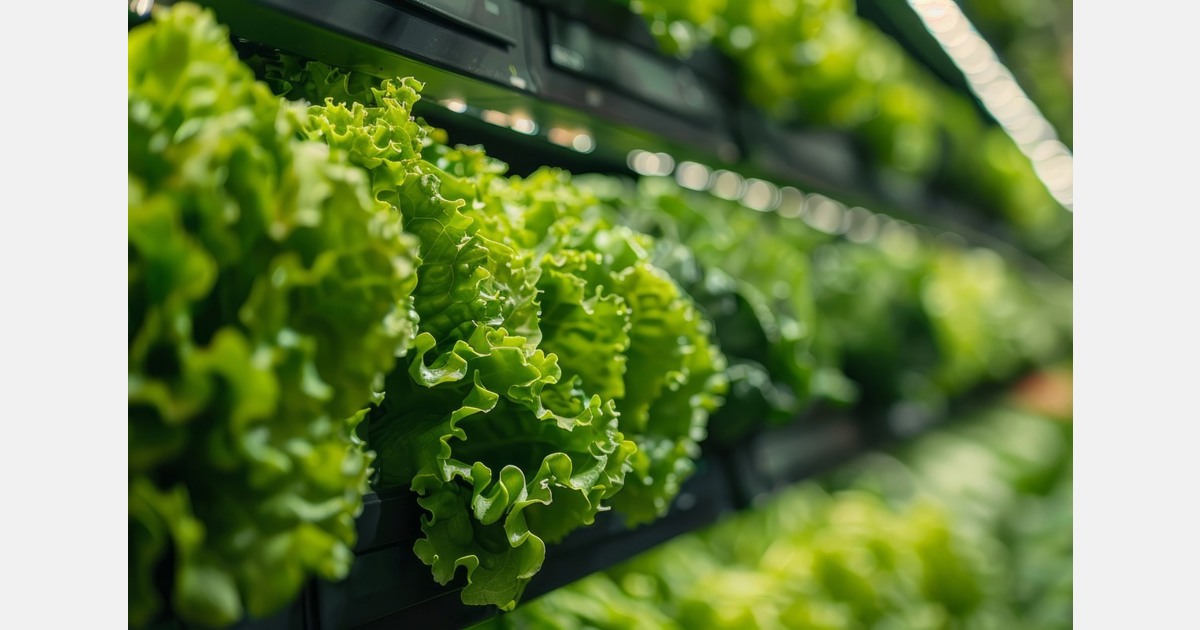
Source: VFD.com
Taking a bet on a 1-acre greenhouse that's paying off in profits and family time Thanks! is perfecting lettuce production with the artistry of a professional chef.
Martins and his dad, Saint'Clair Sr., first had to prove they could farm the hard way before receiving funding for the hydroponic greenhouse system. "We started as an organic farm out here on a 15-acre property," Martins said.
But after a few years of profitability, the bank said yes to a loan for a greenhouse system, and later, the fully automated hydroponic system defining the operation today. In total, the system continually circulates about 10,000 gallons of water, where an average farm field under irrigation would use about 6,800 gallons per acre per day.
Why this matters: For operators, this is a water-management story. The useful signal is that direct substrate measurements can help cut drain loss materially without giving up yield or fruit quality, which is exactly the kind of controllable efficiency gain a facility can build on.
Frequently Asked Questions
Why does substrate sensing matter in free-drain strawberry systems?
Because drain percentage tells a grower what already happened, while substrate moisture and EC data show root-zone conditions directly. That makes it easier to cut water loss without guessing.
What is the operator takeaway from this trial?
If the thresholds are understood well enough, growers can reduce drain water materially while protecting yield and fruit quality, which makes sensing an operational tool instead of a reporting tool.


