Translating research into action
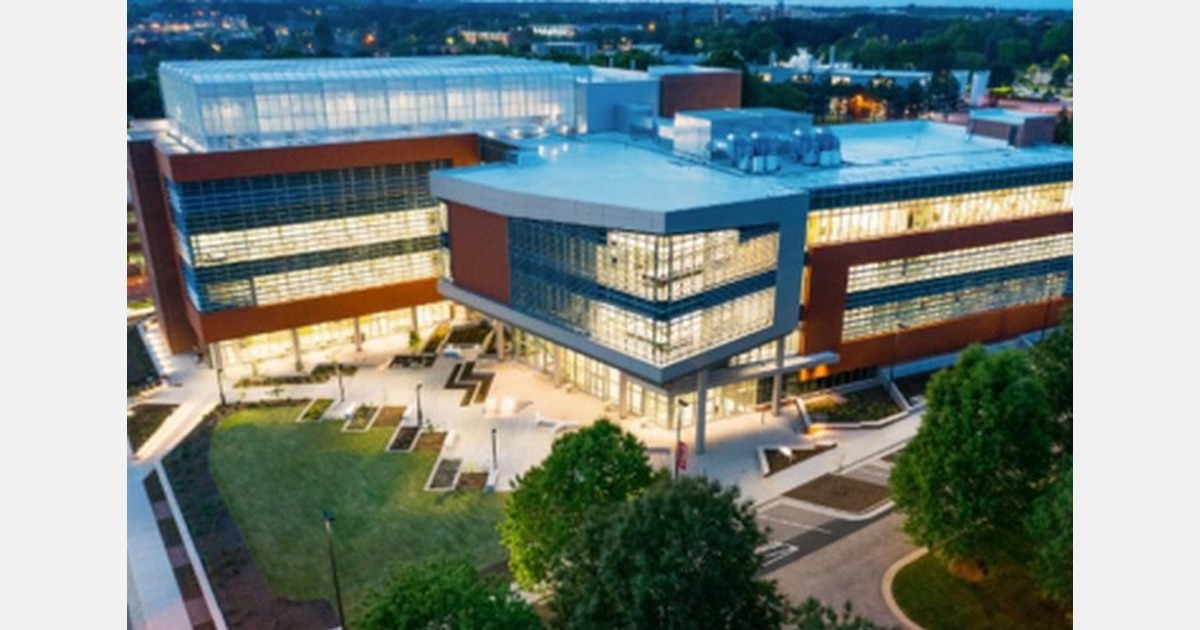
Source: HD.com
But for Ricardo Hernandez, Ph.D., associate professor of controlled environment agriculture (CEA) at North Carolina State University (NC State), research that yields real implications for growers takes precedence. "But I quickly realized that companies want to solve the same problem growers are facing." Impact in action As a member of the CEA Coalition, LLK Greenhouse Solutions has seen a direct correlation between NCSU-CEA Coalition research and its business goals.
"LLK wants to ensure their greenhouses are sustainable and functional for growers", Dr Hernandez says, "When customers ask what expect of from a new Greenhouse, LLK can now support those conversations with data and research." The benefits of academic partnerships Participation in the CEA Coalition has proven valuable for everyone involved. Beyond advancing the industry, the Coalition has fostered meaningful connections among researchers, suppliers, and growers—connections that support long-term innovation and business growth.
Why this matters: This is relevant because CEA research only matters when it changes real facility decisions. Work that starts with grower problems and produces usable planning tools, such as airflow modeling, is much more likely to close the gap between innovation and adoption.
Frequently Asked Questions
Why does grower-led research matter in CEA?
Because it keeps academic work tied to the operating problems that actually affect crop performance, labor, climate control, and economics.
What is the value of greenhouse airflow modeling before construction?
It helps teams test design choices earlier, which can prevent costly mistakes and improve climate uniformity before those decisions are expensive to reverse.


