Turkey: Istanbul site saves water, yet high energy demands limit potential for wider adoption
Source: VFD.com
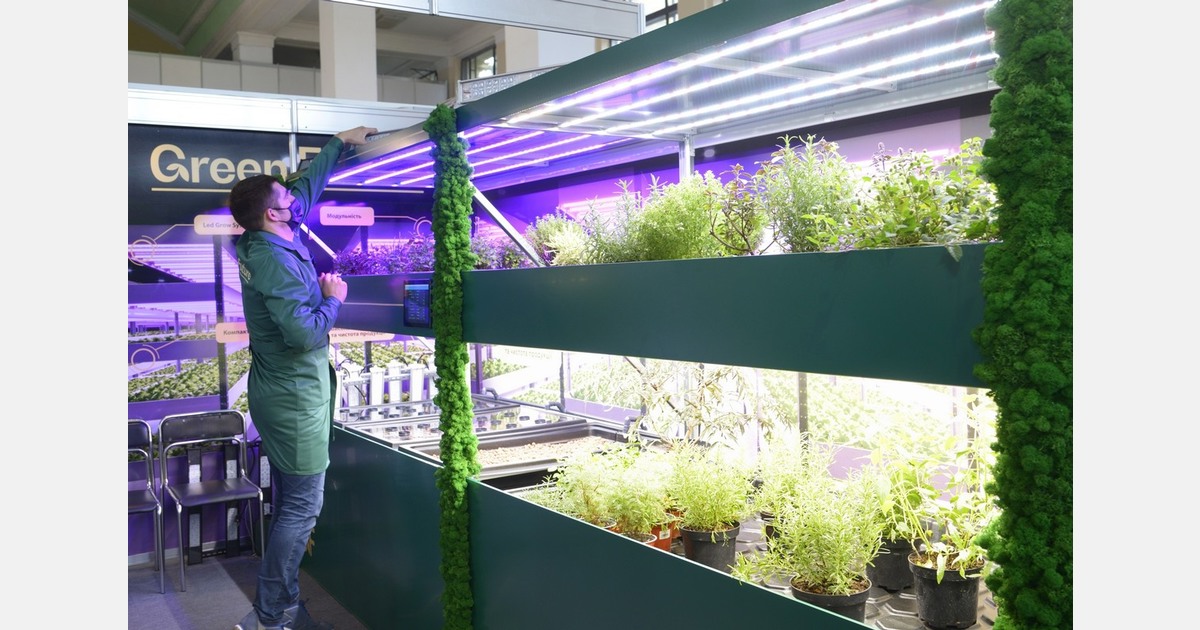
In Istanbul, one vertical farm says its technology allows certain crops to be grown using less water and in shorter production cycles. Hydroponic systems supply water directly to the plants, while LED lighting and climate controls allow growers to regulate conditions year-round.
Türkiye's State Meteorological Service says 2025 was the country's driest year in 61 years. Aylin Erdogan General Manager, Eremtas Vertical Farming says "We can grow 40,000 plants at the same time.
For example, field-grown lettuce uses 250 litres of water, while our system uses 12.5 litres for the same amount of produce." The growers highlight another advantage: crops can go from planting to harvest in a shorter time. How smarter HVAC Systems are cutting energy costs for indoor farms "Electricity is one of the largest cost items in cultivation" China: Growing strawberries with the help of waste heat and captured carbon dioxide Japanese entrepreneur harnesses Iceland's geothermal energy for growing Related Articles Turkey: Istanbul site saves water, yet high energy demands limit potential for wider adoption Using solar energy to power hydroponic growing Integrating data center waste heat and CEA for sustainable food production Why CEA and energy projects are slow to scale "We have to move past treating agriculture as a passive energy customer" Related Articles Can the same land grow food and generate solar power?
Why this matters: For operators, this is a water-management story. The useful signal is that direct substrate measurements can help cut drain loss materially without giving up yield or fruit quality, which is exactly the kind of controllable efficiency gain a facility can build on.
Frequently Asked Questions
Why does substrate sensing matter in free-drain strawberry systems?
Because drain percentage tells a grower what already happened, while substrate moisture and EC data show root-zone conditions directly. That makes it easier to cut water loss without guessing.
What is the operator takeaway from this trial?
If the thresholds are understood well enough, growers can reduce drain water materially while protecting yield and fruit quality, which makes sensing an operational tool instead of a reporting tool.


