
UK: Indoor growing takes root in rural Berkshire
Source: VFD.com
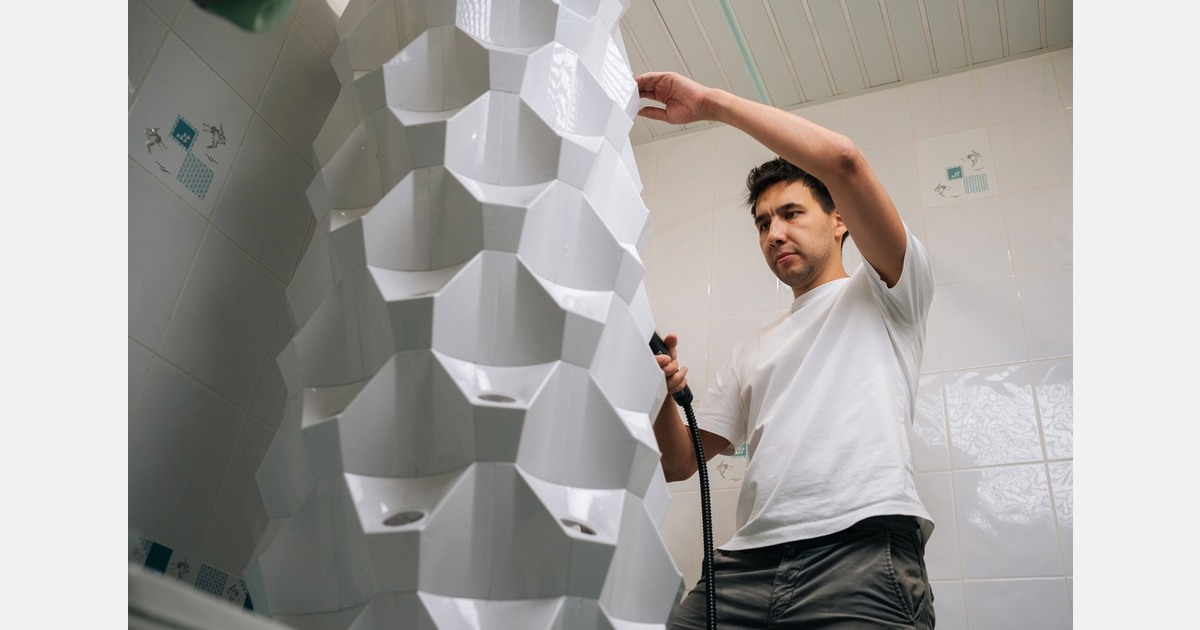
They will grow without sunlight or soil and, the scientists say, will use 98% less water than traditional farming. Innovation Agritech Group (IAG) has designed and built the grow panels using full-spectrum LED lighting and automated closed-loop irrigation.
Aeroponic beds do not use soil, instead the plants' roots hang in the air, getting nutrients from a fine water mist. Laura Nelson, research manager at IAG, said: "It's incredibly exciting.
“Affordability of produce shouldn’t become a casualty based on broader trade issues” Cyclospora outbreak reveals food safety lessons for Europe India: Showing off the magical ways of mushrooms US: What does FDA compliance pause mean for microgreens growers? A closer look at Cyclospora France: Heatwave destroys crops, causes shortage Related Articles UK: Indoor growing takes root in rural Berkshire Greenhouse lettuce already seeing lift on wholesale demand Attorneys begin filing lawsuits over contaminated lettuce linked to outbreak of cyclospora Are consumers suddenly scared of fresh produce following Cyclospora outbreak?
Why this matters: For operators, this is a water-management story. The useful signal is that direct substrate measurements can help cut drain loss materially without giving up yield or fruit quality, which is exactly the kind of controllable efficiency gain a facility can build on.
Frequently Asked Questions
Why does substrate sensing matter in free-drain strawberry systems?
Because drain percentage tells a grower what already happened, while substrate moisture and EC data show root-zone conditions directly. That makes it easier to cut water loss without guessing.
What is the operator takeaway from this trial?
If the thresholds are understood well enough, growers can reduce drain water materially while protecting yield and fruit quality, which makes sensing an operational tool instead of a reporting tool.


