
Unexpected aid gap threatens major Estonian vegetable producer
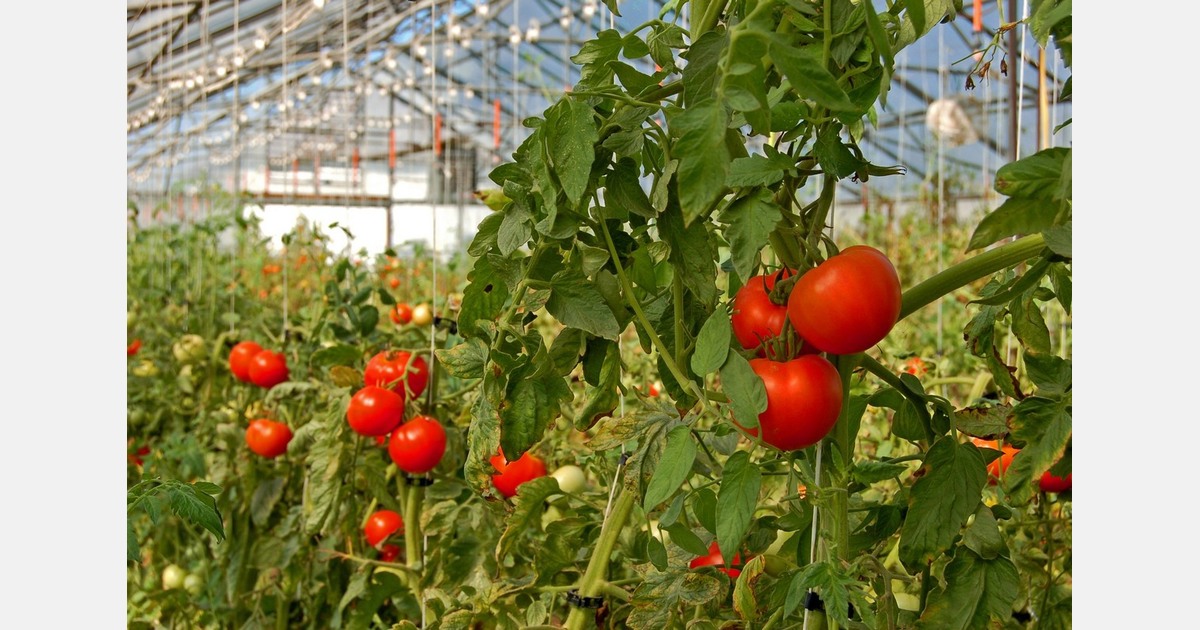
Source: HD.com
Unexpected aid gap threatens major Estonian vegetable producer Estonia's top greenhouse grower Grüne Fee faces significant annual losses and the potential risk of shutdown after unexpectedly being declared ineligible for state aid. Last summer, the Ministry of Economic Affairs and Communications (MKM) floated a plan last summer to reduce renewable energy fees for major Estonian producers.
It recently emerged, however, that Grüne Fee, the country's largest greenhouse vegetable and herb grower, does not qualify for the scheme. The Estonian Horticultural Association (EAL) said the decision came as a surprise, noting Grüne Fee consumes about 25 gigawatt-hours (GWh) of electricity annually from the grid on top of the 10 GWh it produces itself, making it one of the country's biggest energy users.
In a letter to Economy and Industry Minister Erkki Keldo (Reform) and Regional Affairs and Agriculture Minister Hendrik Terras (Eesti 200), the group said the combined impact could threaten the company's viability. "Due to bureaucratic restrictions, Grüne Fee Eesti does not qualify for the support scheme, and the resulting negative impact is around €275,000 a year," it said, adding that new energy grid fees have further increased pressure.
Why this matters: For operators, this is a water-management story. The useful signal is that direct substrate measurements can help cut drain loss materially without giving up yield or fruit quality, which is exactly the kind of controllable efficiency gain a facility can build on.
Frequently Asked Questions
Why does substrate sensing matter in free-drain strawberry systems?
Because drain percentage tells a grower what already happened, while substrate moisture and EC data show root-zone conditions directly. That makes it easier to cut water loss without guessing.
What is the operator takeaway from this trial?
If the thresholds are understood well enough, growers can reduce drain water materially while protecting yield and fruit quality, which makes sensing an operational tool instead of a reporting tool.


