US (ID): Boise grower focuses on evolution of growing

Source: VFD.com
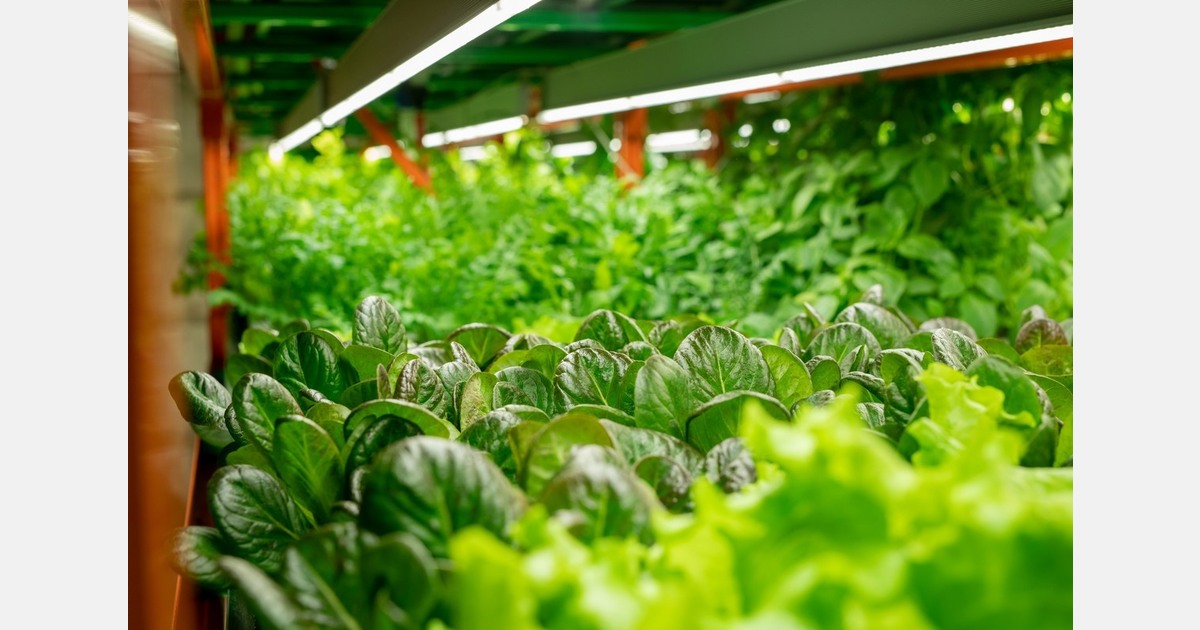
US (ID): Boise grower focuses on evolution of growing Urban farmers in Boise are trying to start a conversation in agriculture with a unique way of growing. Greenscale, a Boise-based "new age farm," operates a climate-controlled facility where plants are grown year-round in a hydroponics greenhouse, and nutrients are provided through natural processes using Tilapia fish, called aquaponics.
Greenscale CEO Scott Meikle said that when he started the company in 2021, he wanted to use technology, manufacturing and innovation to provide locally grown, nutrient-rich food to the public without the use of pesticides and industrial fertilizer. "We have an enormous amount of I want to say confidence, and I'll even add the word pride to what it is we're we're producing out of this facility." The facility, which began operations in 2025, is an "integrated growing system" with three main parts: the greenhouse where the plants are grown; the warehouse where the fish are raised; and the production area where the produce is harvested and packaged.
Greenscale's vice president of operations, Ted Wunderlich, explained the process to the Idaho Statesman. He said it starts with thousands of seedlings that go through germination and are then placed in the greenhouse's pond to grow for up to 30 days, before being harvested and sent to retail.
Why this matters: For operators, this is a water-management story. The useful signal is that direct substrate measurements can help cut drain loss materially without giving up yield or fruit quality, which is exactly the kind of controllable efficiency gain a facility can build on.
Frequently Asked Questions
Why does substrate sensing matter in free-drain strawberry systems?
Because drain percentage tells a grower what already happened, while substrate moisture and EC data show root-zone conditions directly. That makes it easier to cut water loss without guessing.
What is the operator takeaway from this trial?
If the thresholds are understood well enough, growers can reduce drain water materially while protecting yield and fruit quality, which makes sensing an operational tool instead of a reporting tool.