US (TN): Doubling down on vertical growing

Source: VFD.com
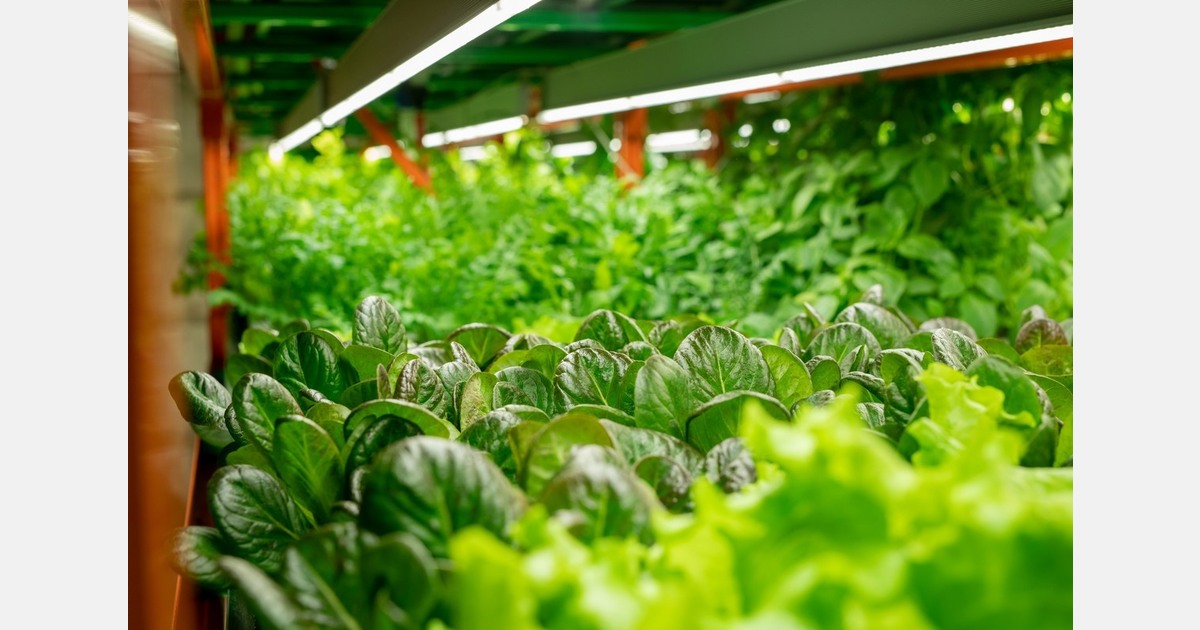
US (TN): Doubling down on vertical growing Greener Roots Farm stands as Nashville, Tennessee's first commercial hydroponic vertical farm. The company specializes in cultivating a variety of herbs and leafy greens indoors throughout the year, providing fresh, locally sourced produce to nearby restaurants and grocery stores.
"Our innovative farming techniques utilize 90% less land and water compared to traditional agriculture, enabling us to produce up to 10 times more yield per square foot," said William Crenshaw, president of Greener Roots Farm. "We are passionate advocates for urban agriculture, believing it is essential for broadening access to fresh, nutrient-dense food in the community." Greener Roots' offerings are free from pesticides, herbicides and GMOs, and all of food travels less than 50 miles from growth to consumption.
"With our advanced indoor farming systems and a cutting-edge greenhouse, we generate over 28 tons of high-quality produce each year, featuring a diverse lineup of herbs and greens that enrich local dining experiences," Crenshaw said. Founded in 2014 by Jeffery Orkin in a broom closet of his rooftop apartment in Nashville, Greener Roots has evolved over the years.
Why this matters: For operators, this is a water-management story. The useful signal is that direct substrate measurements can help cut drain loss materially without giving up yield or fruit quality, which is exactly the kind of controllable efficiency gain a facility can build on.
Frequently Asked Questions
Why does substrate sensing matter in free-drain strawberry systems?
Because drain percentage tells a grower what already happened, while substrate moisture and EC data show root-zone conditions directly. That makes it easier to cut water loss without guessing.
What is the operator takeaway from this trial?
If the thresholds are understood well enough, growers can reduce drain water materially while protecting yield and fruit quality, which makes sensing an operational tool instead of a reporting tool.