
Uzbekistan seeks to upgrade strawberry production with smart technology
Source: VFD.com
Currently, Firmmit is carrying out a smart farm modernization project covering 720 hectares (approximately 2.17 million pyeong) as part of a national project with the Uzbek government. According to Permit, the event, held from the 25th to the 27th at the AKIS (Agricultural Knowledge Information Service Center) in Tashkent, Uzbekistan, was attended by over 100 political and business figures from both countries, including Jamshid, Deputy Minister of Agriculture of Uzbekistan; Hyun Mi-joo, Minister Counselor of the Embassy of the Republic of Korea in Uzbekistan; Jang Jeong-ryeol, Director of Central Asia at the Korea Rural Community Corporation; Shin Myeong-seop, Director of KOICA; Jarur, Vice President of Agrostar; and Park Seon-gi, Representative of Permit.
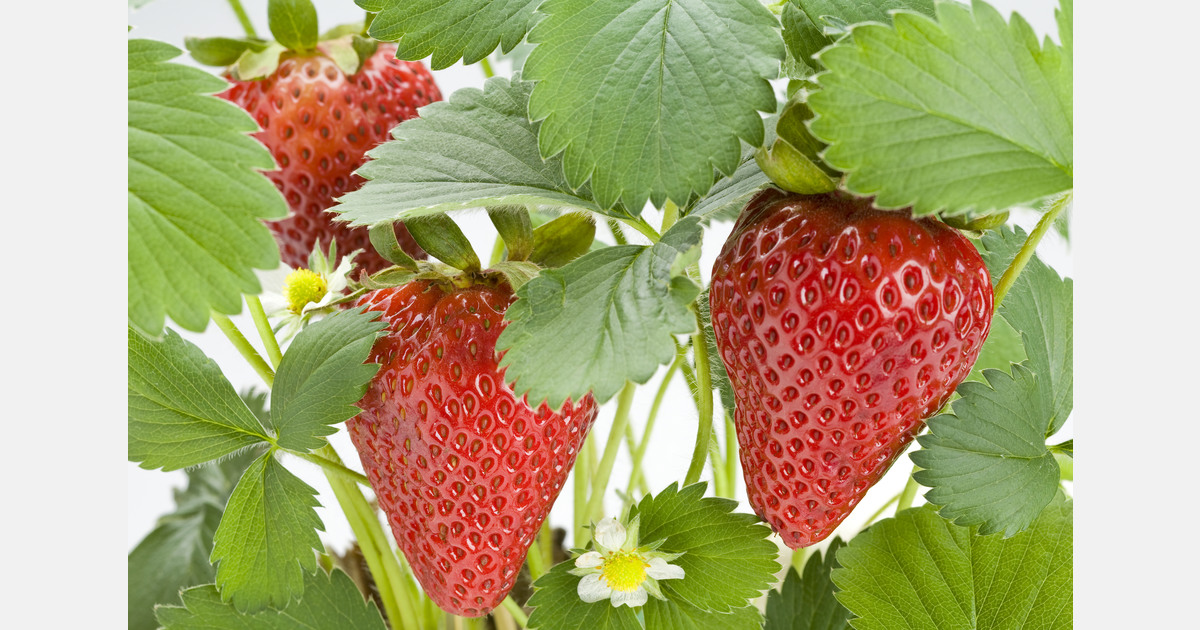
Permit unveiled demonstration data and operational results showing how it transformed neglected, aging greenhouses into high-efficiency smart farms at just 10% of the cost of new construction. Attendees personally verified the growth status of strawberries being successfully cultivated on-site, and as a result, Permit achieved the feat of signing remodeling contracts worth $300,000 USD per facility with Agrostar, a state agency in Uzbekistan.
Why this matters: This matters when it gives operators a clearer way to manage water, nutrients, and root-zone risk. That kind of control usually improves both resource efficiency and crop consistency.
Frequently Asked Questions
What should growers evaluate before changing a lighting strategy?
They should look at crop type, canopy structure, current light distribution, energy cost, expected yield gain, and whether the new strategy improves whole-canopy efficiency.
Why is light distribution often as important as light quantity?
Because adding more photons to already saturated leaves does less work than improving how light reaches the parts of the canopy that are still underperforming.


