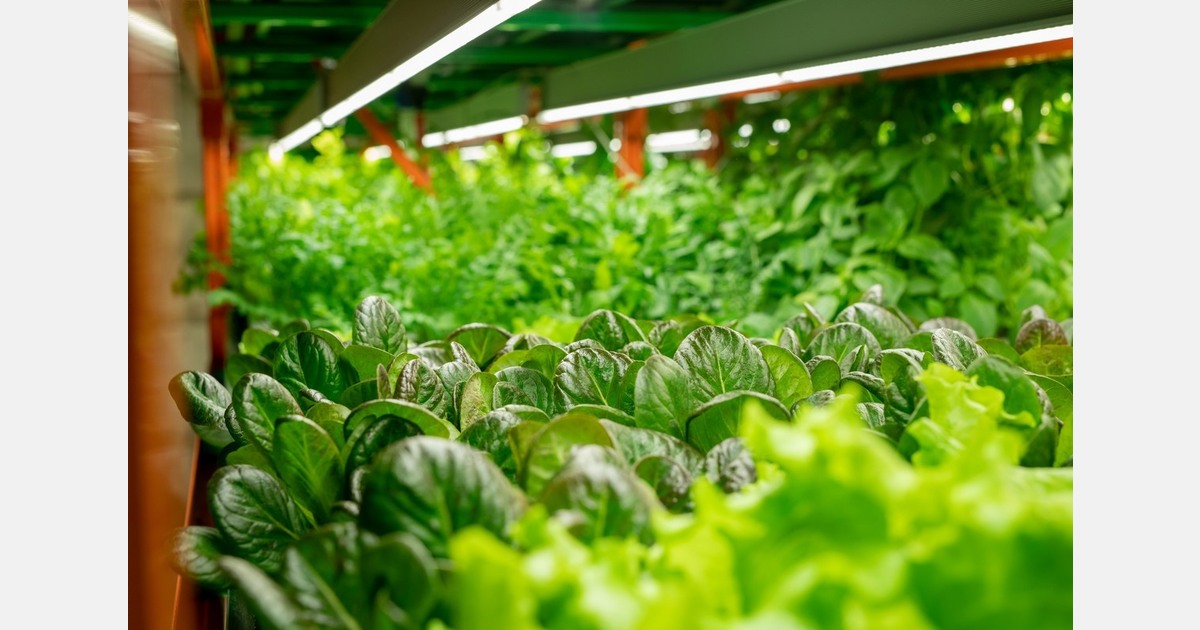
What if vertical farming and greenhouse horticulture reinforce each other?

Source: VFD.com
That is the central question within Fieldlab Vertical Farming phase 3. Since 2019, the Fieldlab has been a Dutch knowledge and innovation platform where companies, knowledge and educational institutions work together on research, education and the sustainable strengthening of the horticultural sector.
Seven partners are working together on the project, led by Greenport Westland-Oostland: Wageningen Research, Delphy Research and Development, Vertify, Logiqs, Signify Netherlands and Vitro Plus. The total project costs amount to more than €1.5 million, of which approximately €732,000 comes from the European Regional Development Fund (ERDF).
Source: Kansen voor West Publication date: Wed 30 Sep 2026 Related Articles → See More What if vertical farming and greenhouse horticulture reinforce each other? Rwandan hydroponic fodder scheme seeks to ease dry-season milk shortages US (CO): Pueblo in line for 40-acre hydroponic growing complex Jordan: 40 agricultural engineers trained on hydroponics Philippines: Isabela Hospital adopts solar hydroponics and mushroom cultivation Social enterprise hydroponic facility to be established in Antigua and Barbuda Saudi Environment Ministry launches aquaponics investment opportunity in Jubail India: Hotel reaches five year hydroponic supply agrreement South Africa: New facility will produce 90 000 heads of lettuce and spinach a year US (CT): New hospital food program uses hydroponics to help patients eat healthier Related Articles What if vertical farming and greenhouse horticulture reinforce each other?
Why this matters: For operators, this is a water-management story. The useful signal is that direct substrate measurements can help cut drain loss materially without giving up yield or fruit quality, which is exactly the kind of controllable efficiency gain a facility can build on.
Frequently Asked Questions
Why does substrate sensing matter in free-drain strawberry systems?
Because drain percentage tells a grower what already happened, while substrate moisture and EC data show root-zone conditions directly. That makes it easier to cut water loss without guessing.
What is the operator takeaway from this trial?
If the thresholds are understood well enough, growers can reduce drain water materially while protecting yield and fruit quality, which makes sensing an operational tool instead of a reporting tool.