Choosing the right system for hydroponic growing

Source: VFD.com
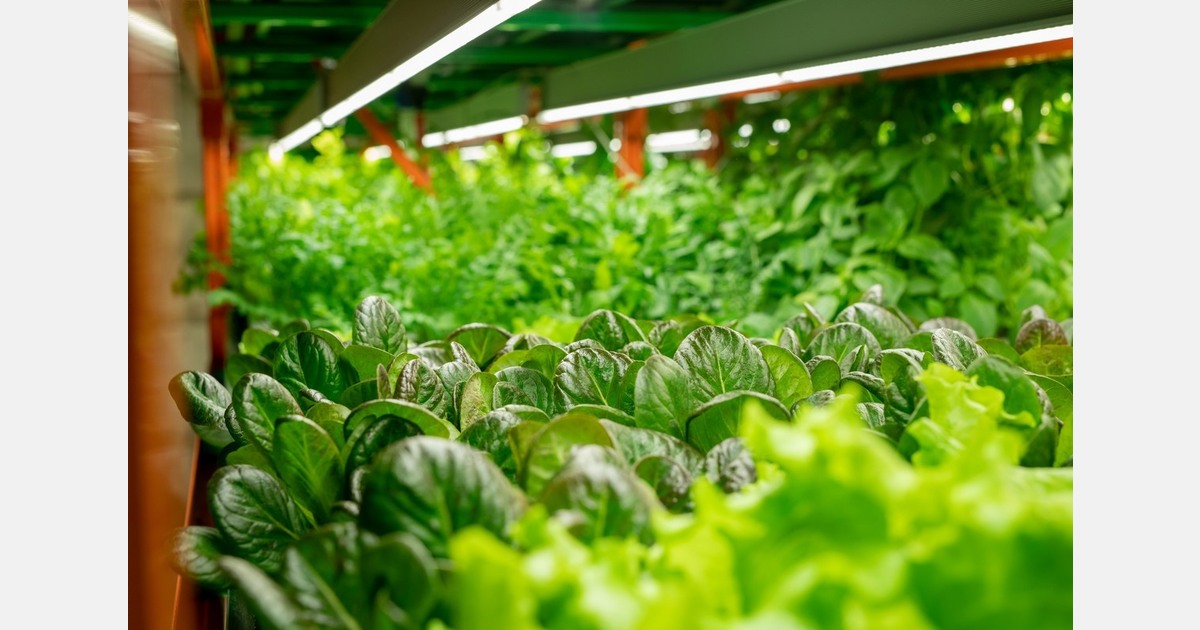
Many growers see a hydroponic setup online and immediately attempt to replicate it, but what works for one operation may not suit another's space, budget, or production goals. Nutrient Film Technique (NFT) uses a thin, continuous flow of nutrient solution through channels, making it efficient and popular, particularly for leafy greens.
It does, however, require reliable water circulation and regular monitoring to perform at its best. The greater volume of solution makes DFT more stable and more forgiving in the event of a temporary pump failure, qualities that make it a sound choice for both beginners and commercial growers alike.
Plants float directly on nutrient-rich water in a simple, easy-to-manage design that has made it a go-to method for large-scale leafy vegetable production worldwide. The best hydroponic system is not the most expensive one, it is the one that aligns with the grower's available space, budget, maintenance capacity, and production goals.
Why this matters: For operators, this is a water-management story. The useful signal is that direct substrate measurements can help cut drain loss materially without giving up yield or fruit quality, which is exactly the kind of controllable efficiency gain a facility can build on.
Frequently Asked Questions
Why does substrate sensing matter in free-drain strawberry systems?
Because drain percentage tells a grower what already happened, while substrate moisture and EC data show root-zone conditions directly. That makes it easier to cut water loss without guessing.
What is the operator takeaway from this trial?
If the thresholds are understood well enough, growers can reduce drain water materially while protecting yield and fruit quality, which makes sensing an operational tool instead of a reporting tool.