Improving energy efficiency for vertical growers
Source: VFD.com
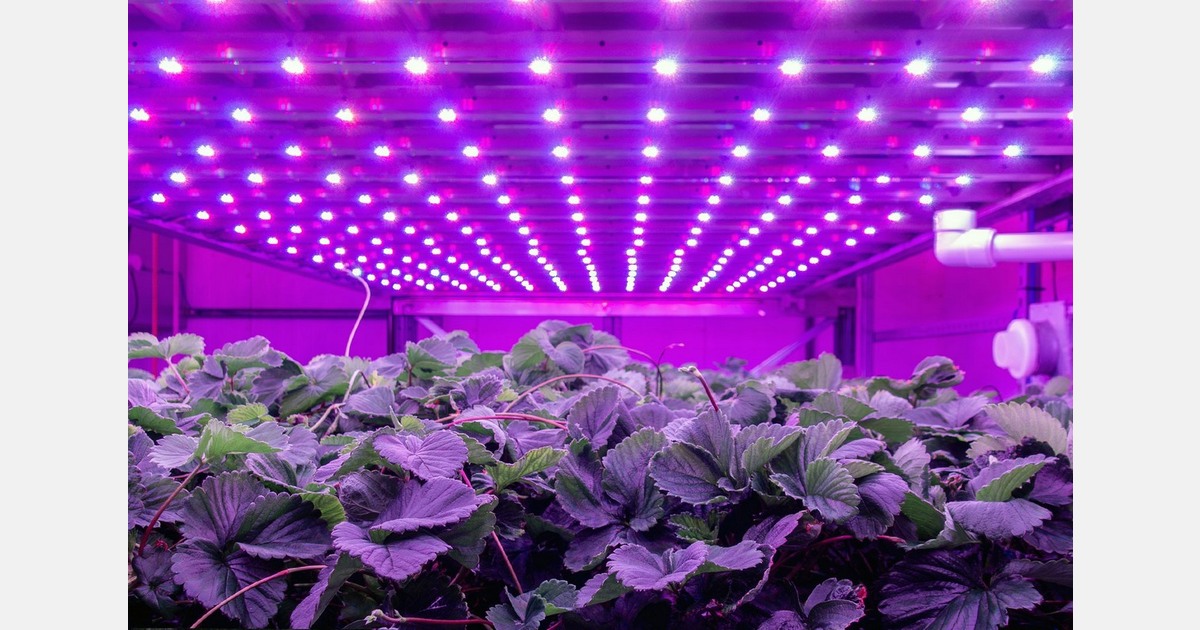
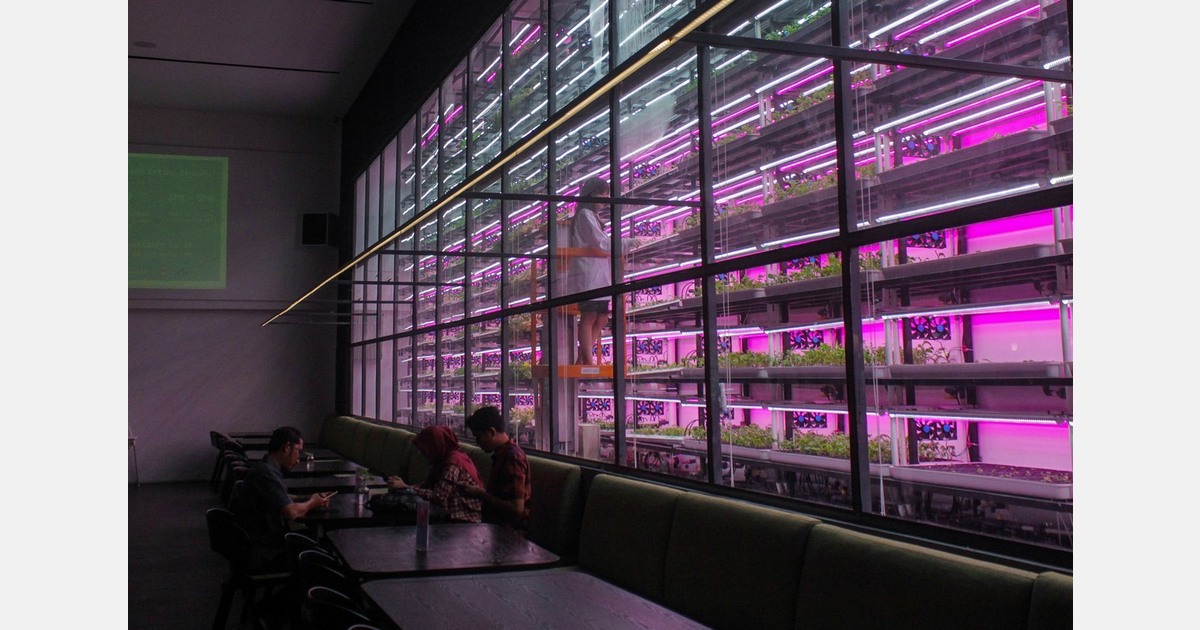
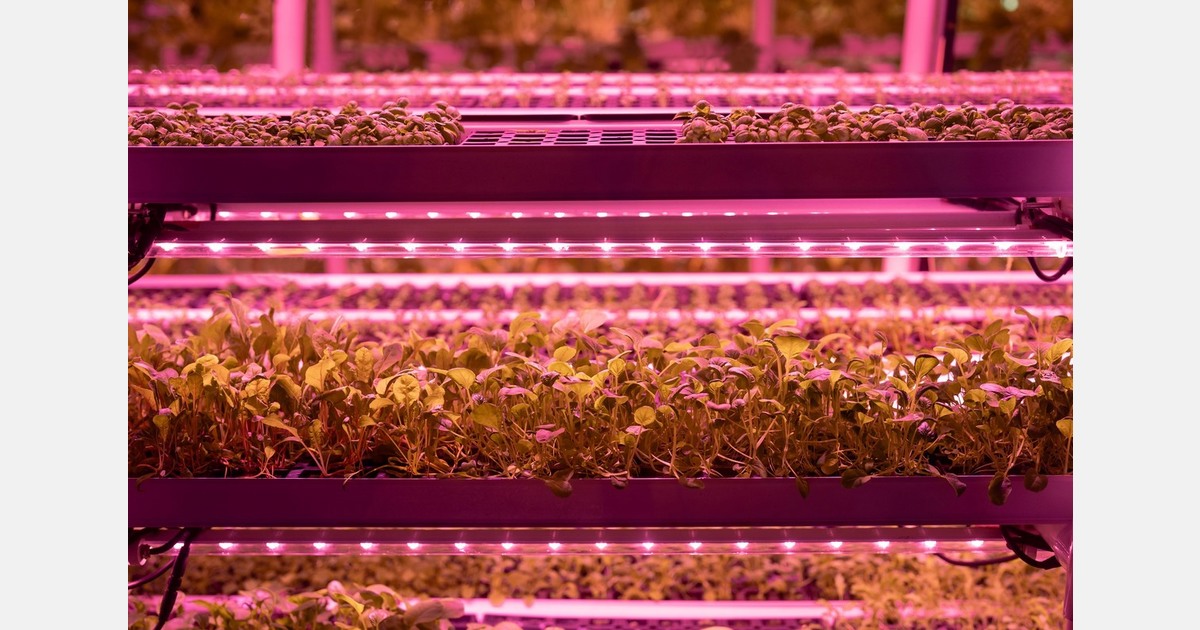
Improving energy efficiency for vertical growers While smart vertical farms enable stable year-round crop production by efficiently utilizing urban spaces, they face economic limitations due to high energy consumption and operational costs. To this end, an integrated time-series dataset was constructed using environmental data (temperature, humidity, soil moisture, wind direction, wind speed, etc.) and operational data (power consumption, labor hours, water usage, production costs, etc.) collected from a real-world vertical farm in Korea over a nine-month period from March to December 2024.
Experimental results indicated that the XGBoost model achieved the lowest average prediction error, demonstrating an improvement of approximately 17–18% over traditional rule-based predictions and 12–13% over moving average-based predictions. Given that the daily cumulative power consumption of the subject farm averages between 3,400 and 4,000 kWh/day, the observed RMSE of 3.37 represents a relative error of less than 0.1%, signifying a level of accuracy highly applicable to real-world operational decision-making..Such improvements in predictive accuracy have the potential to reduce energy and production costs by minimizing the excessive operation of lighting and HVAC systems and mitigating uncertainty in energy demand.
Why this matters: This matters when it gives operators a clearer way to manage water, nutrients, and root-zone risk. That kind of control usually improves both resource efficiency and crop consistency.
Frequently Asked Questions
Why do retrofit and environmental-control choices matter so much?
Because these decisions affect every crop cycle that follows. A better control strategy can improve consistency and efficiency, while a poor one can lock in operating drag.
What should operators focus on when reading design or retrofit stories?
They should focus on what changed operationally: better climate stability, lower energy use, improved crop balance, easier labor, or cleaner control over inputs.