🎥 As cocoa prices swing, Kawa Project offers an upcycled alternative from spent coffee grounds

Source: AgFunderNews
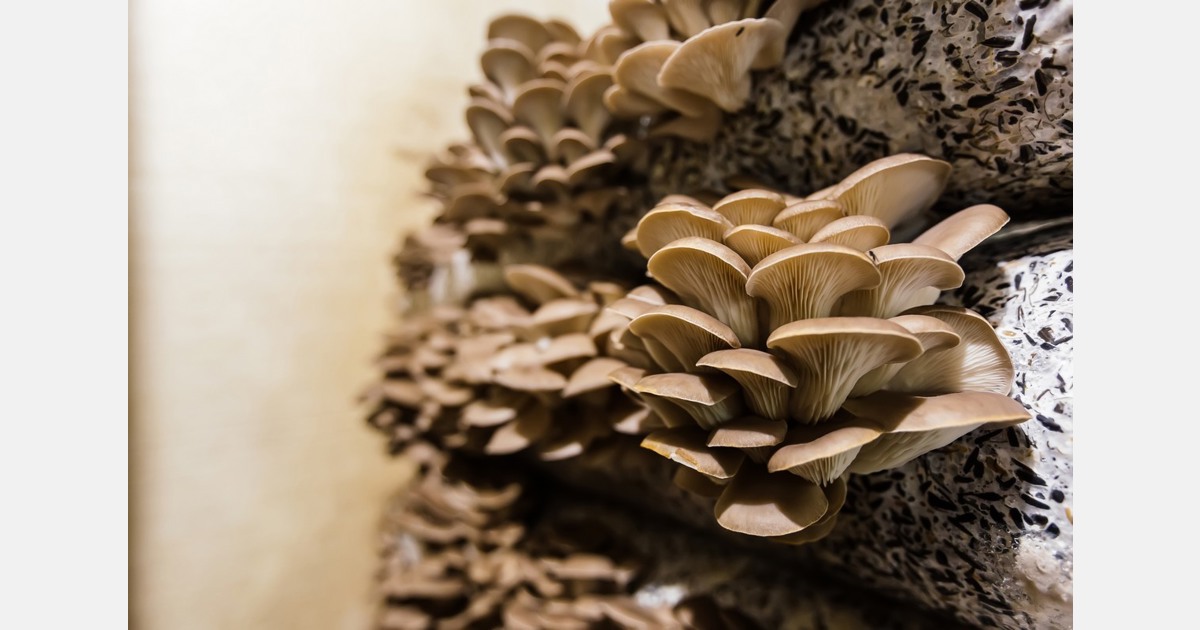
[Disclosure: AgFunderNews’ parent company AgFunder is an investor in Kawa Project] Spent coffee grounds are being used for everything from soil amendments to substrates for mushroom cultivation. AgFunderNews (AFN) caught up with Kawa Project founder Aaron Feigelman (AF) to discuss what firms seeking to replace some cocoa are looking for, how close coffee and cocoa are from a taste perspective, and what scale he needs to operate at for the economics to make sense.
AF : Kawa Project makes a substitute for industrial cocoa powder derived from a used coffee ground upcycling process that has a more stable supply chain with less volatility, comparable or cheaper prices than industrial cocoa, and more beneficial nutritional components. AF : So you’ve got to stabilize the grounds and dry them to a very low moisture percentage.
And then we do an extraction process to remove a lot of the coffee-forward notes and keep a lot of the sour and roasted notes that are found in both coffee and cocoa. And then you’ve got to mill it at the end to get to a very, very fine particle size, just like cocoa.
Why this matters: For operators, the real question is whether the sensing, control, or data layer creates faster and better decisions. The facilities that win are the ones that turn visibility into tighter control and tighter control into better outcomes.
Frequently Asked Questions
Why does LED fixture selection matter in controlled environment agriculture?
Lighting decisions affect both crop performance and energy intensity. Fixture efficiency, spectral control, and placement all influence how much value a facility gets from every kilowatt-hour.
What should growers evaluate before adopting new LED systems?
Growers should look at fixture efficiency, controllability, crop-specific use case, integration with existing controls, and the operational payback period instead of treating lighting as a standalone hardware purchase.