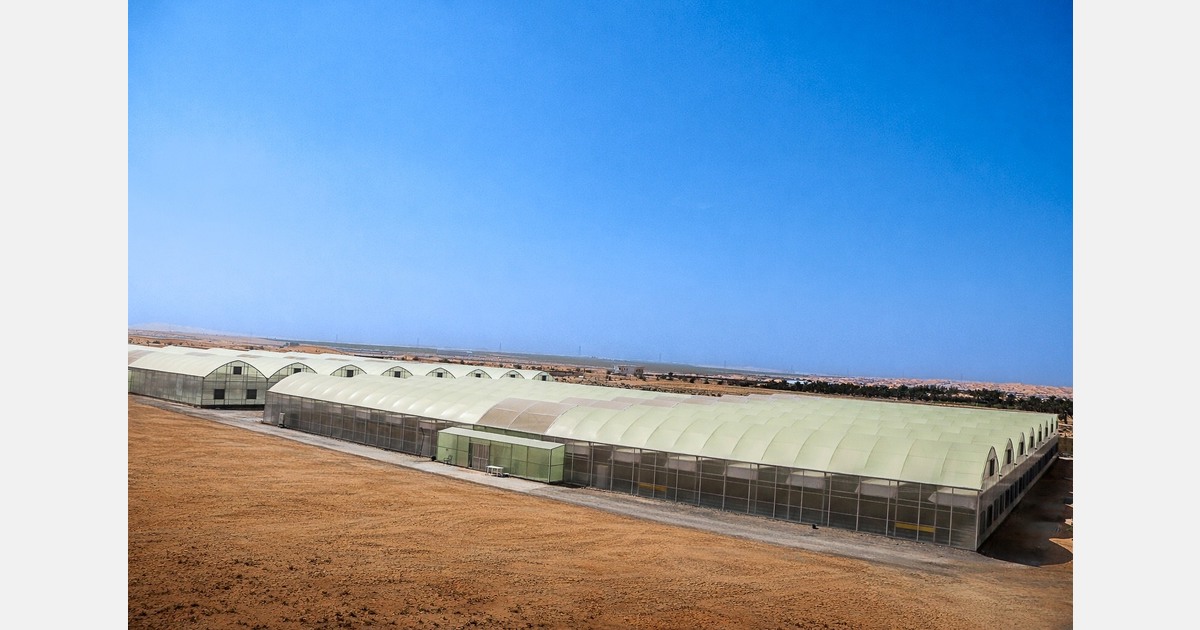
Can You Solve Closed Tank Level Measurement Failures? Advanced Instrumentation Troubleshooting Quiz
Source: Instrumentation and Control Engineering
Closed Tank Level Measurement Troubleshooting Quiz for Process Industry Professionals When the process is pressured, wet, foamy, or very changeable, it can be hard to measure the level in a closed tank. When troubleshooting level transmitters in real plants, it often starts with symptoms that seem simple but are actually caused by impulse lines, vapor space effects, density fluctuations, or bad installation.
This advanced quiz assesses your ability to make good decisions about DP level measurement, radar level transmitter behavior, displacer level measurement, and chamber problems. Each scenario is based on what really happens in refineries, chemical units, power stations, and water process plants.
Use it to test your ability to fix instrumentation problems and make better maintenance decisions when you’re under pressure and on a tight timetable. Test Your Level Transmitter Troubleshooting Skills in Real Process Scenarios Your score is The average score is 62% 0% Restart quiz 25 / 25 Scenario: A pressurized condensate receiver shows a steadily rising level on the DCS even after verified draining.
Why this matters: For operators, the real question is whether the sensing, control, or data layer creates faster and better decisions. The facilities that win are the ones that turn visibility into tighter control and tighter control into better outcomes.
Frequently Asked Questions
What is the difference between forward-acting and reverse-acting control valves?
Forward-acting and reverse-acting valves respond differently to a change in signal or process condition. The right choice depends on fail-safe behavior, process stability, and how the valve should respond under fault conditions, according to the source article.
Why does control valve action matter in greenhouse or facility design?
Valve action affects stability, safety, and controllability. In any engineered environment, choosing the wrong action can make a system harder to tune and more expensive to operate over time.