
CEA Alliance pushes for greenhouse exemption in US-Mexico tomato tariff review
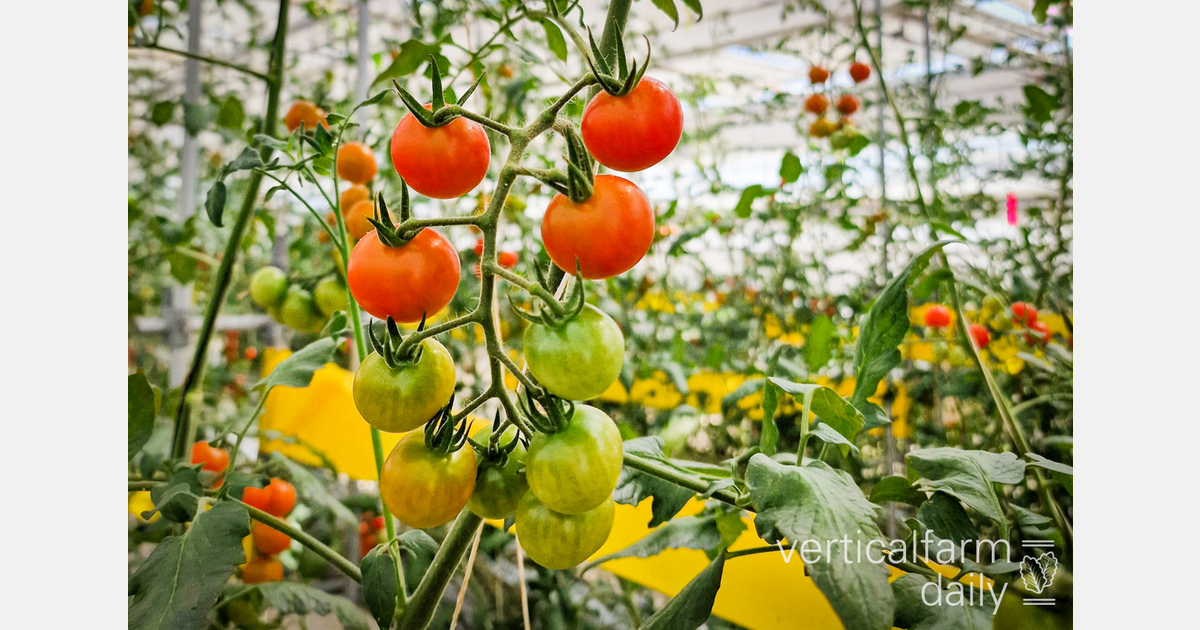
Source: VFD.com
Controlled Environment Agriculture Alliance Executive Director Tom Stenzel says greenhouse-grown tomatoes should not be in the same category as field-grown. "The market impact on field-grown tomatoes that I have seen, I call the greenhouse revolution, not imports of competitive field-grown product," he says.
greenhouse-grown tomatoes now make up more than half of fresh market domestic production, and says his members have invested more than $450 million in new facilities across North America since 2019. The International Trade Commission is reconsidering its decision to impose a 17 percent antidumping duty on Mexican tomatoes, as opponents claim circumstances are not the same since the Commission last examined the industry in 2019.
During Tuesday's hearing, fourth-generation Michigan tomato grower Fred Leitz said the current order finally protects American farmers from unfair trade. coli contamination North Korea seeks to export hydroponic vegetables to China Malta: PL proposes AgriTech and vertical farming to tackle land constraints "Yesterday's ruling marks an important step toward restoring fairness for American mushroom growers" Vietnam: Modern retail opens doors for small-scale growers Uganda: Creating a living from a small fungal investment STARR Computer President champions hydroponics as pathway for youth, modern agriculture South Africa: ‘Several factors including Middle East war affecting local farmers’ Related Articles CEA Alliance pushes for greenhouse exemption in US-Mexico tomato tariff review South Korea: Population influx expected in "first year of agricultural transformation" CAN: Organic microgreens recalled due to E.
Why this matters: For operators, this is a water-management story. The useful signal is that direct substrate measurements can help cut drain loss materially without giving up yield or fruit quality, which is exactly the kind of controllable efficiency gain a facility can build on.
Frequently Asked Questions
Why does substrate sensing matter in free-drain strawberry systems?
Because drain percentage tells a grower what already happened, while substrate moisture and EC data show root-zone conditions directly. That makes it easier to cut water loss without guessing.
What is the operator takeaway from this trial?
If the thresholds are understood well enough, growers can reduce drain water materially while protecting yield and fruit quality, which makes sensing an operational tool instead of a reporting tool.


