"Food security today is about building a resilient, sustainable, and future-ready UAE food ecosystem"
Source: VFD.com
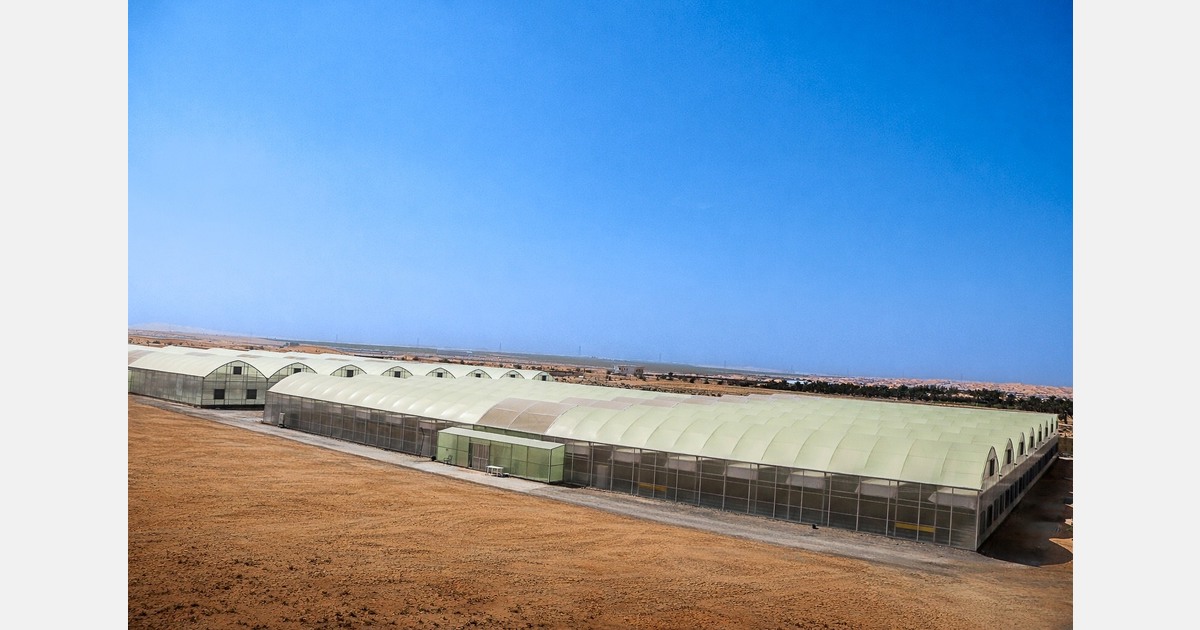
As we provide the news for free, we are relying on revenues from our banners. The 10,000-square-metre facility marks a strategic diversification from the company's focus on microgreens and leafy greens.
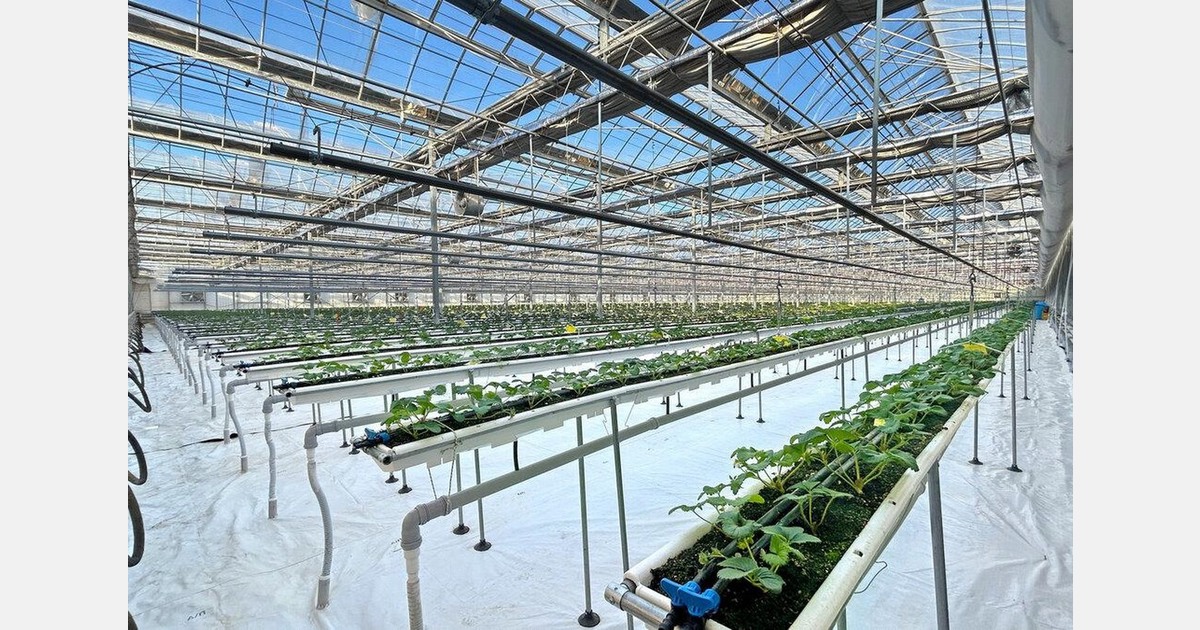
The new farm will produce approximately 150,000 kilograms of fresh tomatoes annually, targeting domestic retail and HoReCa channels, adding to its existing Dubai facility's commercial production of up to 1,500 kilograms of microgreens and leafy greens per day across nearly 8,000 square metres. "While this volume represents a focused contribution within a broader import-reliant market, it allows us to consistently deliver fresh, premium products with shorter lead times and greater supply reliability," says Mehlam Murtaza, Director of UNS Vertical Farms.
© UNS Vertical Farms © UNS Vertical Farms Strengthening domestic production Export is not part of the near-term strategy. "Our priority is to strengthen our presence within the UAE, with export opportunities to be explored as we scale operations in the future," Murtaza adds.
Why this matters: For operators, the real question is whether the sensing, control, or data layer creates faster and better decisions. The facilities that win are the ones that turn visibility into tighter control and tighter control into better outcomes.
Frequently Asked Questions
Why does LED fixture selection matter in controlled environment agriculture?
Lighting decisions affect both crop performance and energy intensity. Fixture efficiency, spectral control, and placement all influence how much value a facility gets from every kilowatt-hour.
What should growers evaluate before adopting new LED systems?
Growers should look at fixture efficiency, controllability, crop-specific use case, integration with existing controls, and the operational payback period instead of treating lighting as a standalone hardware purchase.