
From photobiology to dynamic lighting strategies in greenhouse production
Source: HD.com
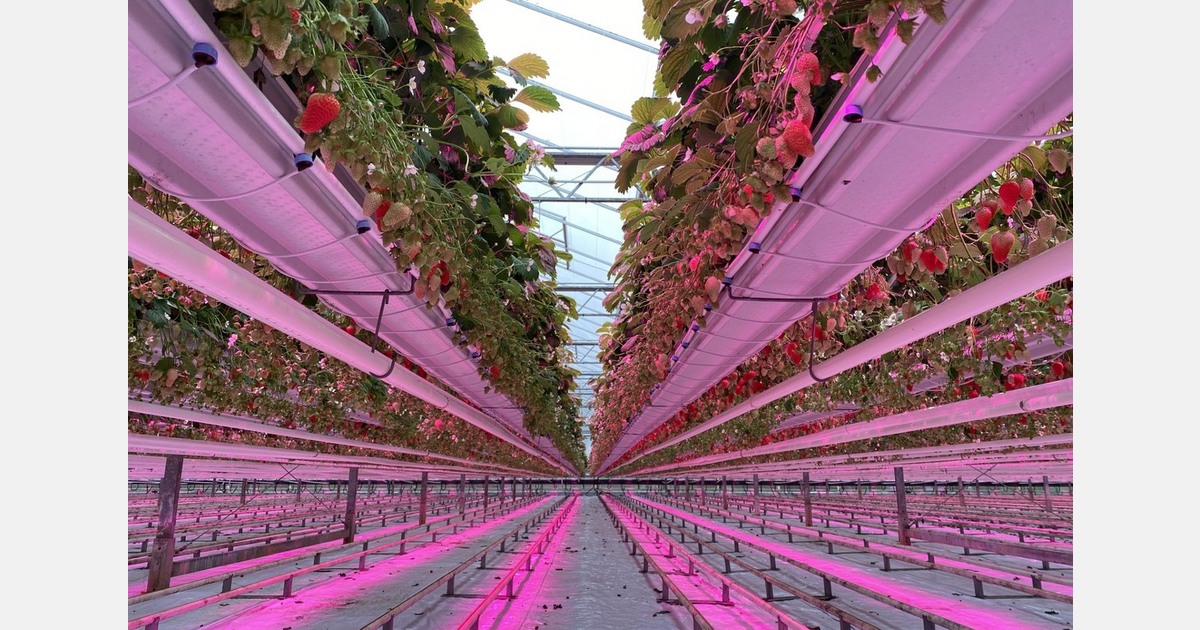
From photobiology to dynamic lighting strategies in greenhouse production Greenhouse growers are working in conditions where crop performance and energy use must be managed at the same time. Light intensity affects photosynthesis, biomass accumulation, and yield, while spectrum influences morphology, flowering, rooting, and nutritional composition.
The interaction between intensity and spectrum determines photon efficiency." He explains that growers can use this knowledge to steer crops more precisely. "When photobiology is applied in practice, lighting becomes a management tool rather than a fixed input." Three areas To support this, RED Horticulture organizes its offering around three areas: luminaires, a control platform, and agronomic guidance.
Why this matters: This matters when it gives operators a clearer way to manage water, nutrients, and root-zone risk. That kind of control usually improves both resource efficiency and crop consistency.
Frequently Asked Questions
What should growers evaluate before changing a lighting strategy?
They should look at crop type, canopy structure, current light distribution, energy cost, expected yield gain, and whether the new strategy improves whole-canopy efficiency.
Why is light distribution often as important as light quantity?
Because adding more photons to already saturated leaves does less work than improving how light reaches the parts of the canopy that are still underperforming.


