Greenhouse training in Japan shows why operational excellence starts before the first crop cycle

Source: HortiDaily
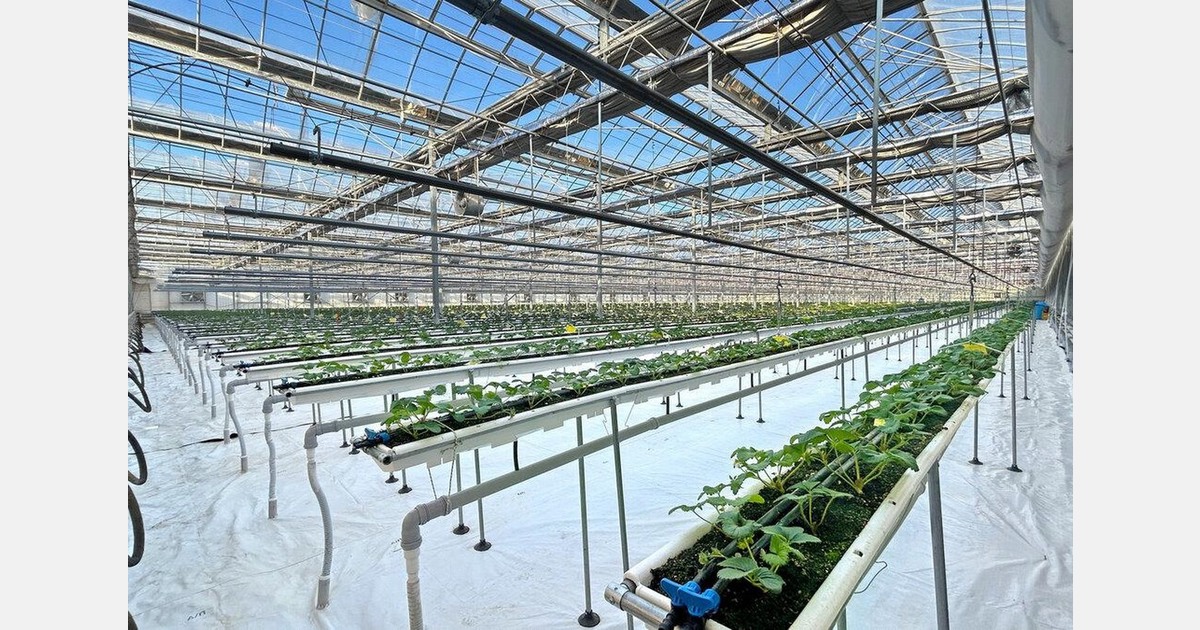
As greenhouse production expands in Japan, Zebra Greens partnered with Dutch consultancy Cultivators to build its hydroponic leafy-greens operation around training, commissioning discipline, and practical operating routines instead of learning everything after launch. The support model combined on-site training in the Netherlands, in-country sessions in Japan, and ongoing remote follow-up to transfer greenhouse standards, crop strategy, hygiene, irrigation, and harvest quality practices into day-to-day execution.
The article highlights a point many facilities underestimate. Startup losses are rarely recovered later, so the launch phase deserves the same rigor as construction. Cultivators emphasized early equipment testing, alignment between climate-computer settings and actual hardware performance, and at least two dry runs before planting. They also pushed role clarity, process checks, and team readiness so the operation could move faster toward stable output and profitability.
Just as importantly, the training focused on building internal capability around crop monitoring, interpretation of plant signals, climate and irrigation adjustments, and SOP execution. That turns technology from installed equipment into operational competence.
Why this matters: This is a strong reminder that operational excellence is not something a greenhouse discovers after commissioning. It is designed into the startup process. The facilities that get stable faster are usually the ones that treat team capability, system testing, and workflow rehearsal as production infrastructure, not optional extras.
Frequently Asked Questions
Why are dry runs important before greenhouse production starts?
Because they expose mismatches between computer settings, equipment behavior, and workflow design before those problems affect crop quality or startup timelines.
What does operational excellence mean in a new greenhouse?
It means the team can interpret crop signals, use systems correctly, follow SOPs, and recover quickly from inevitable startup issues instead of reacting blindly after problems appear.