Heliospectra validates multi-channel LED control at Tomatoworld with 108 fixtures across 26 control groups
efficiency-optimized B5, G5, R90 common in commercial tomato production. This choice was deliberate: the installation supports camera-based monitoring systems, robotics, and advanced sensors that require consistent light quality for accurate data...
Source: HortiDaily
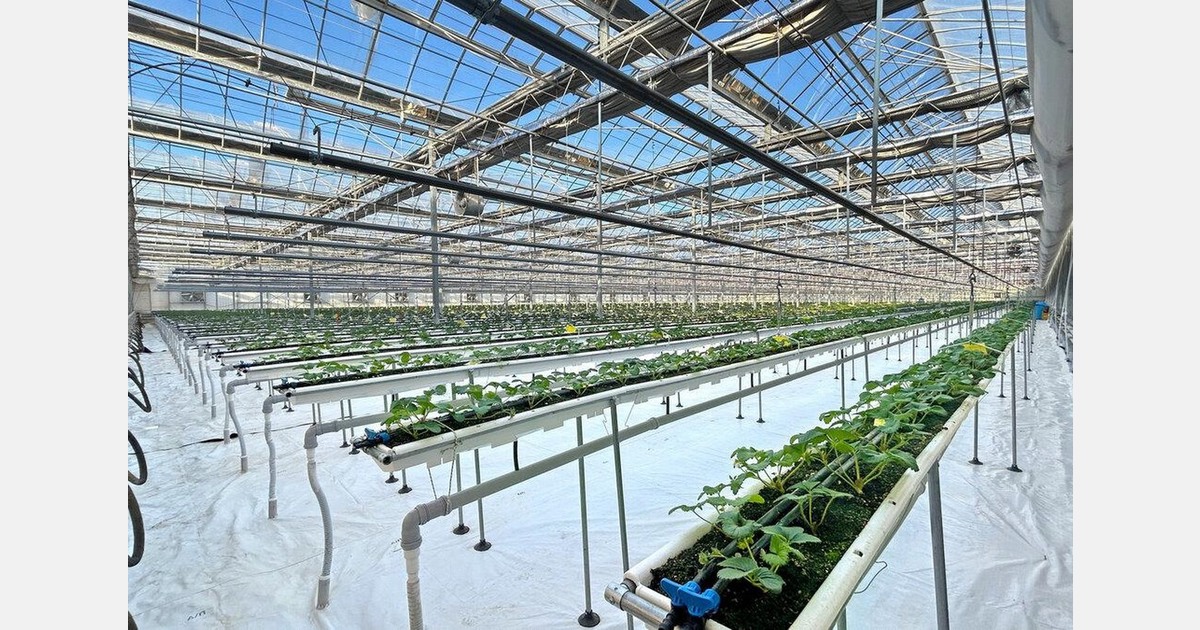
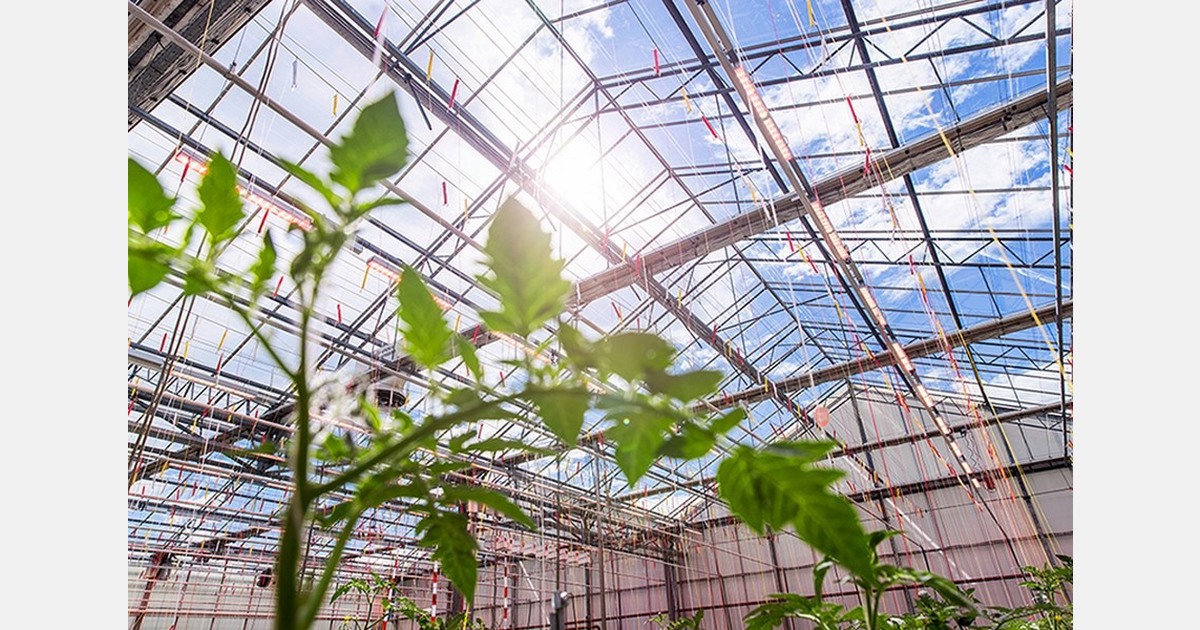
Heliospectra is entering the second year of its partnership with Tomatoworld, an independent fieldlab for data-driven greenhouse innovation in the Netherlands. The installation consists of 108 MITRA X multi-channel LED fixtures divided into 26 control groups, a configuration far more demanding than a typical tomato greenhouse (usually managed as a single group), specifically designed to stress-test wireless communication, control responsiveness, and system stability.
The spectrum used at Tomatoworld (B7, G11, R81, FR1) includes a higher proportion of blue and green light than the efficiency-optimized B5, G5, R90 common in commercial tomato production. This choice was deliberate: the installation supports camera-based monitoring systems, robotics, and advanced sensors that require consistent light quality for accurate data collection. The MITRA X fixtures use DC-based dimming rather than PWM, eliminating flicker that, while invisible to humans, can interfere with high-resolution camera systems.
Why this matters: As facilities layer in more vision-based monitoring (plant health cameras, robotic inspection, yield estimation), the interaction between lighting spectrum, dimming method, and imaging accuracy becomes a real operational consideration. DC dimming and a spectrum tuned for both plant growth and camera performance is a practical example of how lighting strategy has to account for the full technology stack, not just photosynthetic efficiency.
Frequently Asked Questions
Why does LED spectrum choice matter for greenhouse camera and sensor systems?
LED spectrum affects the accuracy of vision-based monitoring systems. At Tomatoworld in the Netherlands (2026), Heliospectra uses a B7, G11, R81, FR1 spectrum with higher blue and green proportions than the efficiency-optimized B5, G5, R90 common in commercial tomato production. The additional blue and green light improves crop visibility for cameras, robotics, and advanced sensors.
What is DC dimming in LED grow lights and why does it matter?
DC dimming lowers the output current to reduce light intensity, unlike PWM dimming which rapidly switches the light on and off at around 1,000 Hz. While PWM flicker is invisible to humans, it can interfere with high-resolution camera systems used for plant health monitoring and robotic inspection. Heliospectra's MITRA X fixtures use DC dimming for flicker-free operation.