Inside Cairnspring Mill’s bold new model for financing regenerative food systems
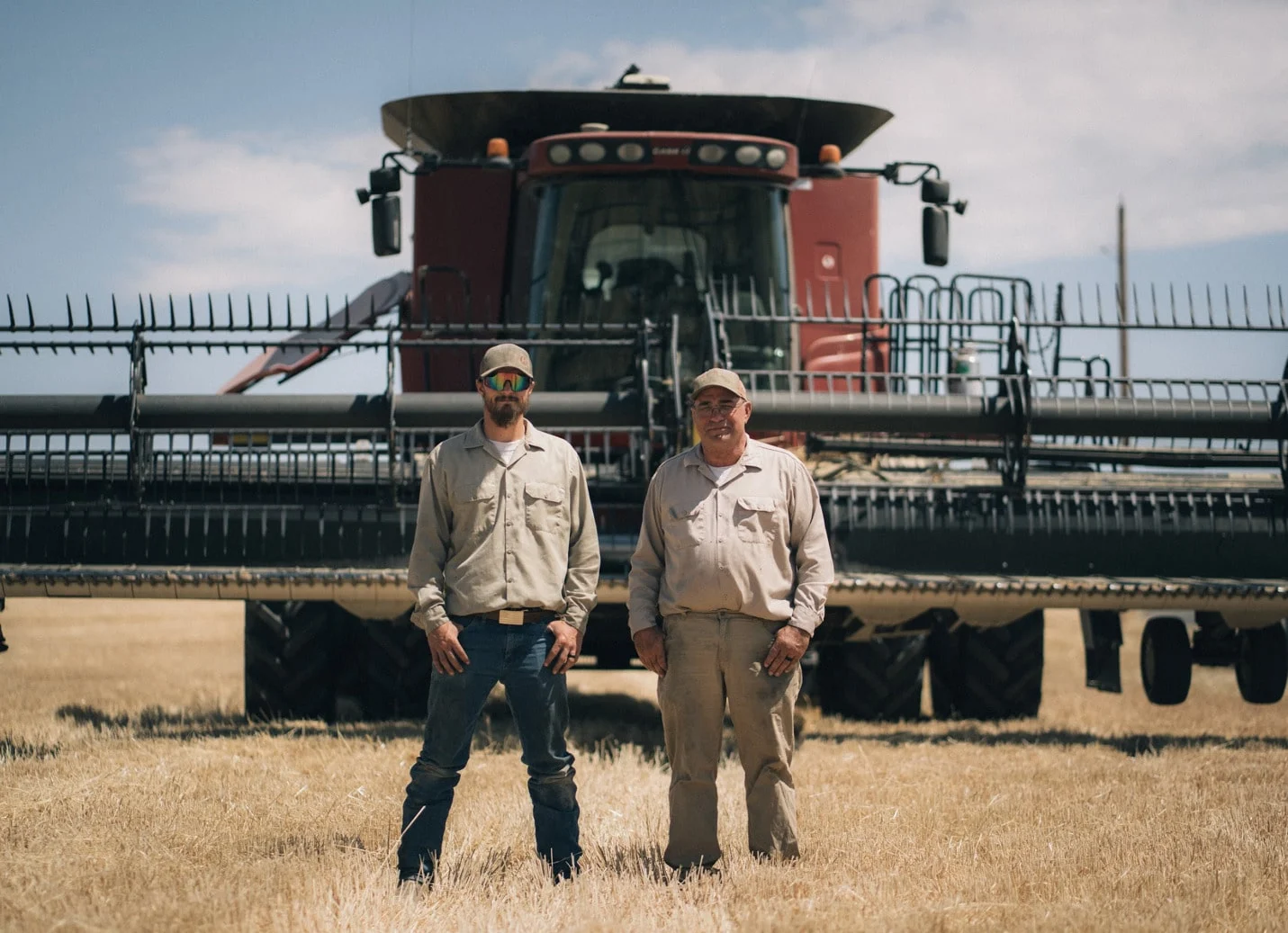
Source: AgFunderNews
Key to financing a regenerative food system is getting more capital into the “missing middle”: the processing and distribution infrastructure needed to take regeneratively grown goods from field to consumer. This is a major challenge right now, as mills and storage facilities don’t fit neatly into any one funding category.
They’re too asset-heavy for venture, too capital intense for grants, and too risky for traditional bank loans. Knowing all of this, regenerative flour producer Cairnspring Mills bypassed these traditional options when it came to financing its forthcoming Blue Mountain Mill, instead weaving patient debt, mission-aligned equity, tribal ownership, community participation, and public investment into a single framework.
“I don’t think it’s a question anymore whether the regenerative systems or regionally scaled businesses like ours are desirable.,” Kevin Morse, CEO of Cairnspring Mills, tells AgFunderNews . “What’s been missing is this middle infrastructure to access higher-value markets and work at a smaller scale.” He says this financing framework is brand new for everyone involved in the Blue Mountain Mill deal, though he’s hopeful the model can be replicated elsewhere.
Why this matters: For operators, the real question is whether the sensing, control, or data layer creates faster and better decisions. The facilities that win are the ones that turn visibility into tighter control and tighter control into better outcomes.
Frequently Asked Questions
Why does LED fixture selection matter in controlled environment agriculture?
Lighting decisions affect both crop performance and energy intensity. Fixture efficiency, spectral control, and placement all influence how much value a facility gets from every kilowatt-hour.
What should growers evaluate before adopting new LED systems?
Growers should look at fixture efficiency, controllability, crop-specific use case, integration with existing controls, and the operational payback period instead of treating lighting as a standalone hardware purchase.