Italian geopower and photovoltaics to make greenhouses energy self-sufficient
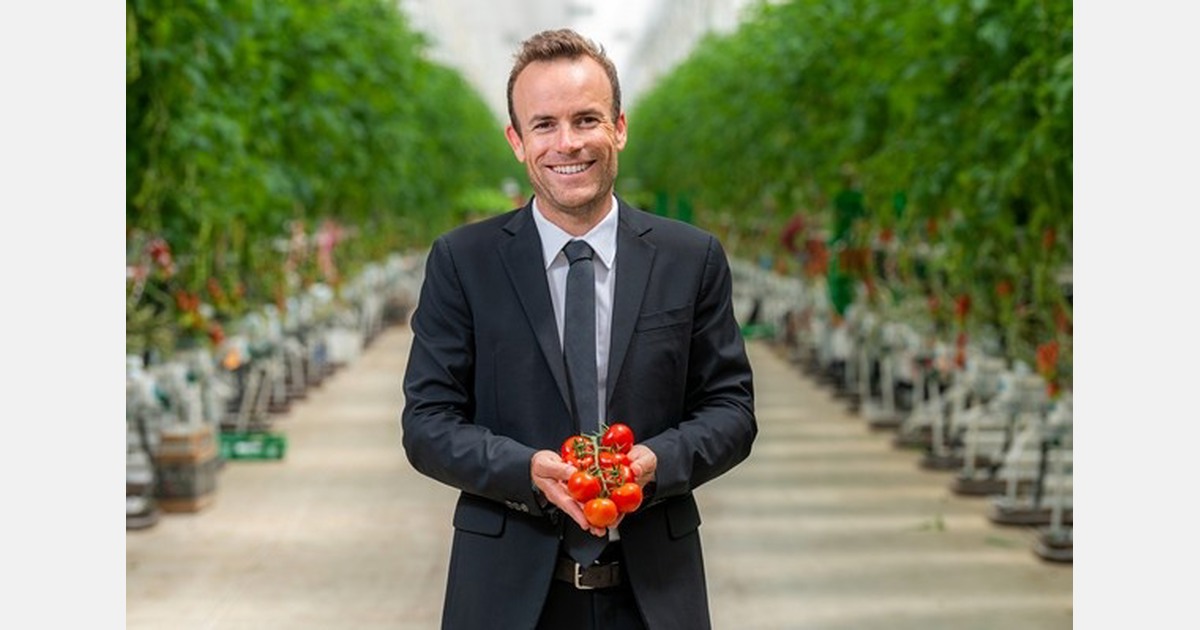
Source: HD.com
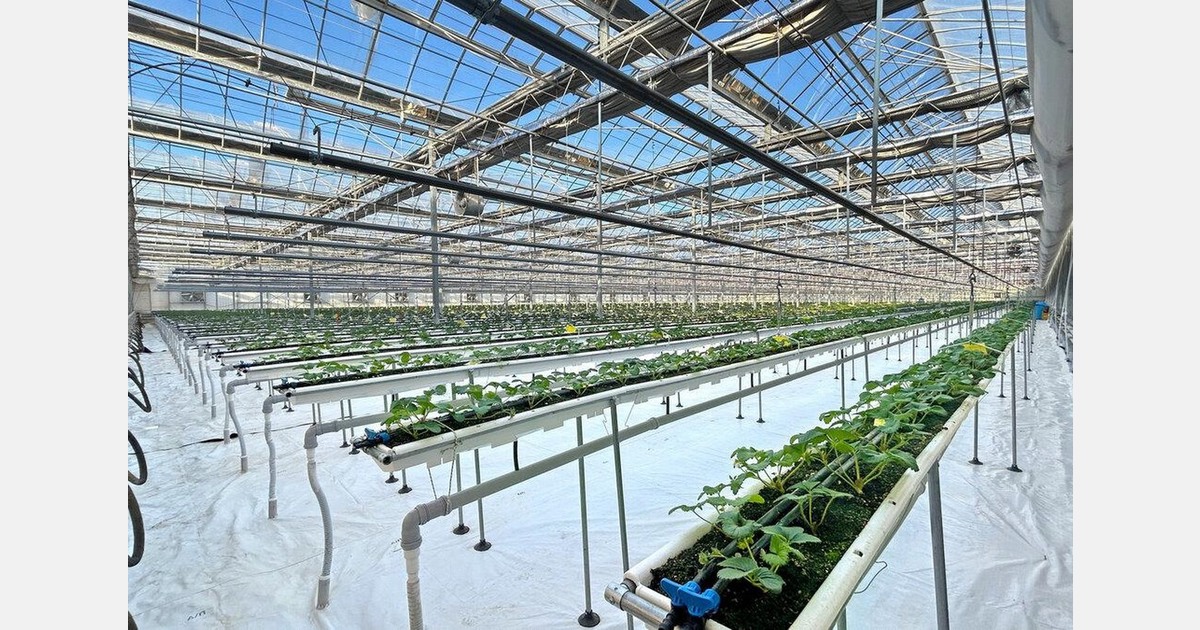
As we provide the news for free, we are relying on revenues from our banners. Fri-El focuses on tomato and cucumber snacks Italian geopower and photovoltaics to make greenhouses energy self-sufficient Hydroponic horticultural production continues and increases at the Fri-El greenhouses in Ostellato (Ferrara).
In this period, the main productions feature cucumbers, snack cucumbers, as well as premium cherry, oblong, date, mini plum, cluster, premium cluster and cocktail tomatoes. We work under the H2Orto brand, our own brand, where each package shows our cultivation method and our company policy based on sustainability, in addition to the certifications.
The rest of the products are sold under the customers' private labels. In both cases, tray sizes start from 200 grams and in some cases reach 700 grams," explains sales manager Davide D'Ignoto.
Why this matters: For operators, the real question is whether the sensing, control, or data layer creates faster and better decisions. The facilities that win are the ones that turn visibility into tighter control and tighter control into better outcomes.
Frequently Asked Questions
Why does LED fixture selection matter in controlled environment agriculture?
Lighting decisions affect both crop performance and energy intensity. Fixture efficiency, spectral control, and placement all influence how much value a facility gets from every kilowatt-hour.
What should growers evaluate before adopting new LED systems?
Growers should look at fixture efficiency, controllability, crop-specific use case, integration with existing controls, and the operational payback period instead of treating lighting as a standalone hardware purchase.