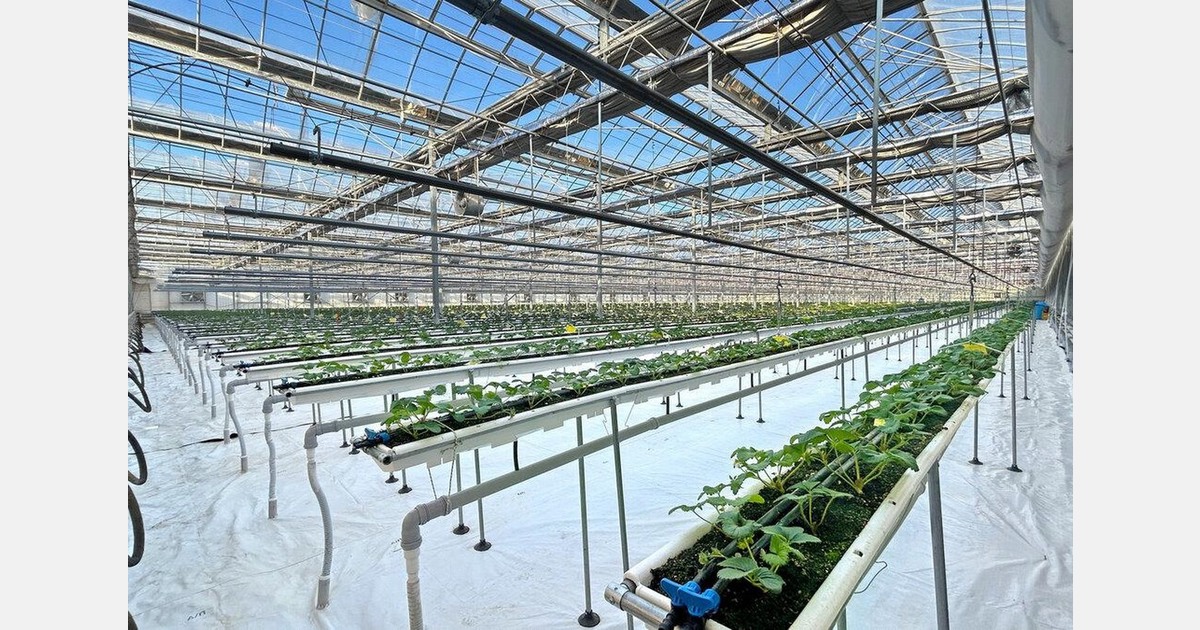
Japanese grower using thermal energy to grow strawberries
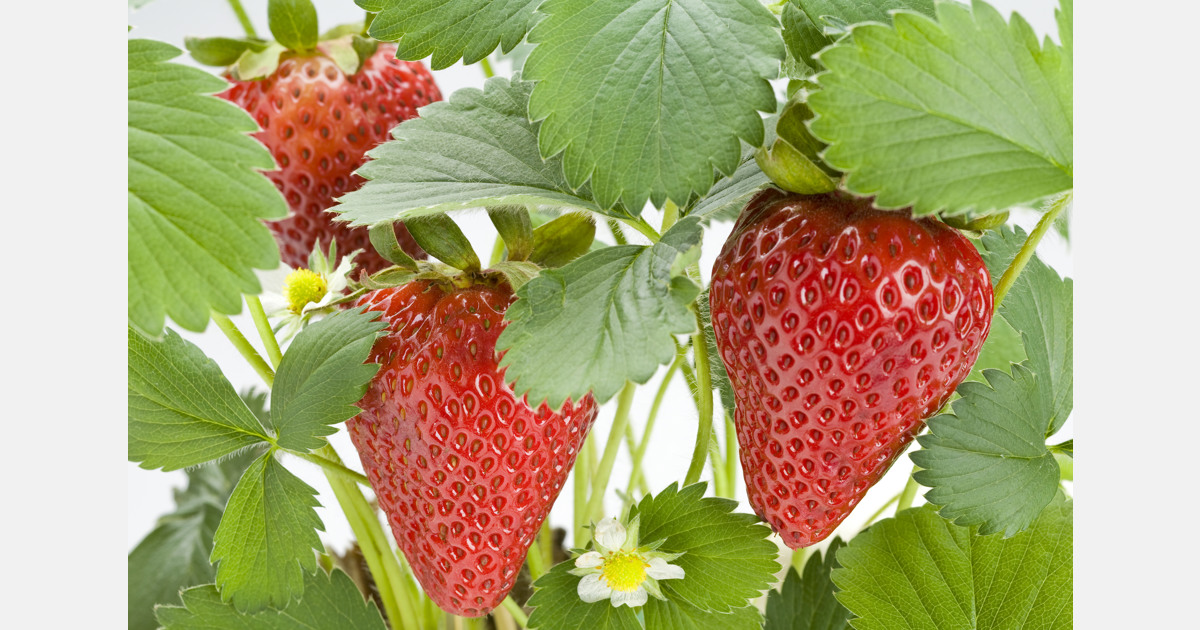
Source: HD.com
As we provide the news for free, we are relying on revenues from our banners. With fuel costs rising, cultivation using groundwater thermal energy incurs lower maintenance costs than the conventional heavy-oil-based approach.
Yasuda Farm owner Sayuri Yasuda, 45, hopes that, in addition to this, her use of renewable energy also contributes to decarbonization. Yasuda has been growing strawberries in Koriyama since autumn 2024, when she took up farming after working for about 15 years at a telecommunications construction company run by her husband.
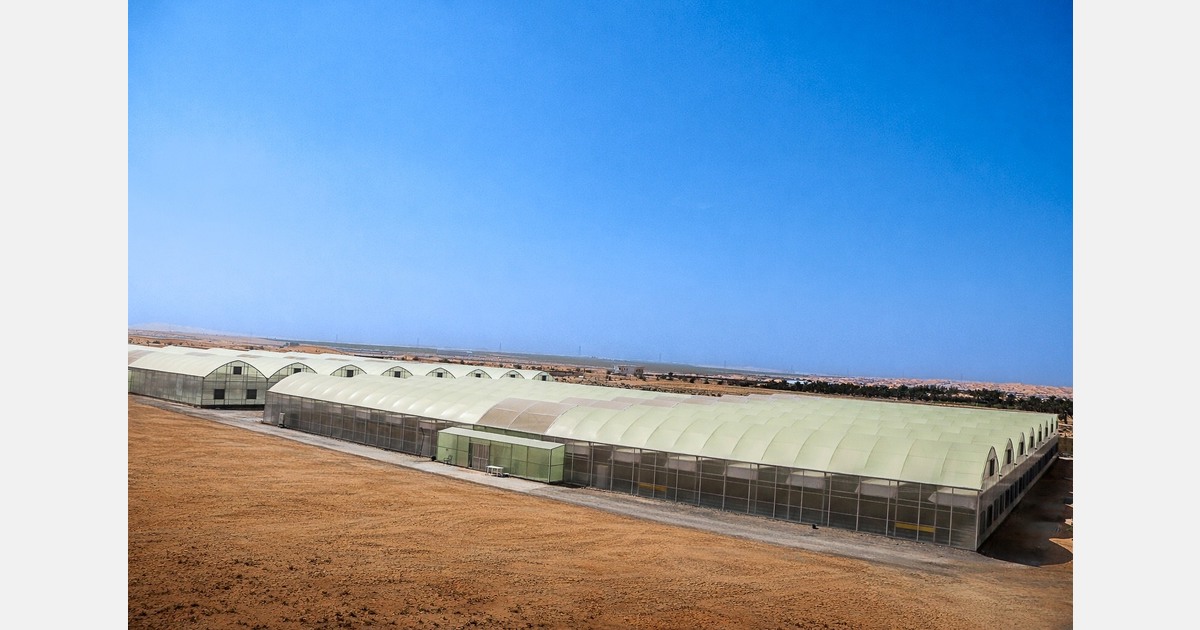
In autumn last year, when Yasuda added a fourth greenhouse to her three existing ones, expanding her total cultivated area from 850 square meters to 950 square meters, she also introduced a heat pump system that uses heat from water extracted from the ground. The system works on the same basic principle as an air conditioner: pressure on a refrigerant is increased to raise the temperature and decreased to lower it.
Why this matters: For operators, the real question is whether the sensing, control, or data layer creates faster and better decisions. The facilities that win are the ones that turn visibility into tighter control and tighter control into better outcomes.
Frequently Asked Questions
Why does LED fixture selection matter in controlled environment agriculture?
Lighting decisions affect both crop performance and energy intensity. Fixture efficiency, spectral control, and placement all influence how much value a facility gets from every kilowatt-hour.
What should growers evaluate before adopting new LED systems?
Growers should look at fixture efficiency, controllability, crop-specific use case, integration with existing controls, and the operational payback period instead of treating lighting as a standalone hardware purchase.