Korean smart farm technology drives hydroponic strawberry production in Uzbekistan
Source: HD.com
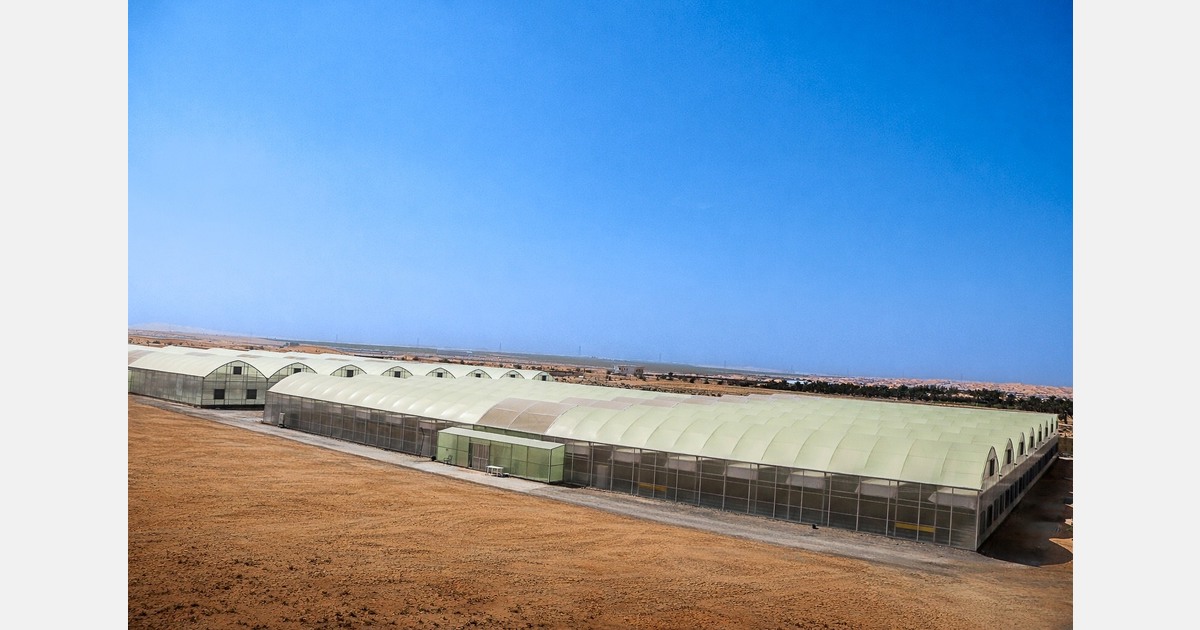
As we provide the news for free, we are relying on revenues from our banners. "Monitoring and control can be done from Korea" Korean smart farm technology drives hydroponic strawberry production in Uzbekistan A 1.5-hectare smart greenhouse dedicated to strawberry production has been launched in Uzbekistan's Yukorichirchik district, representing a targeted effort to modernise underutilised greenhouse assets.
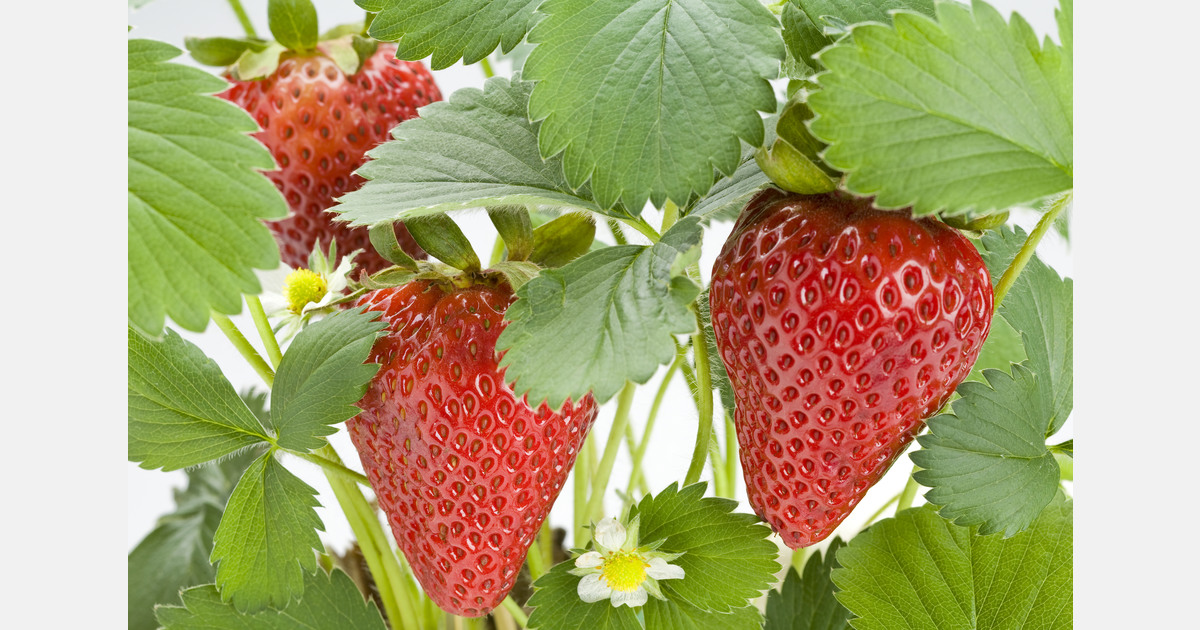
Developed by a Korean smart farm company, the project is based on the conversion of an idle facility, aligning with a broader strategy to reduce capital expenditure while accelerating deployment. Approximately 75,000 plants of the Korean-bred variety (Permit1943) have been established, with production focused on export markets including Russia and Kazakhstan.
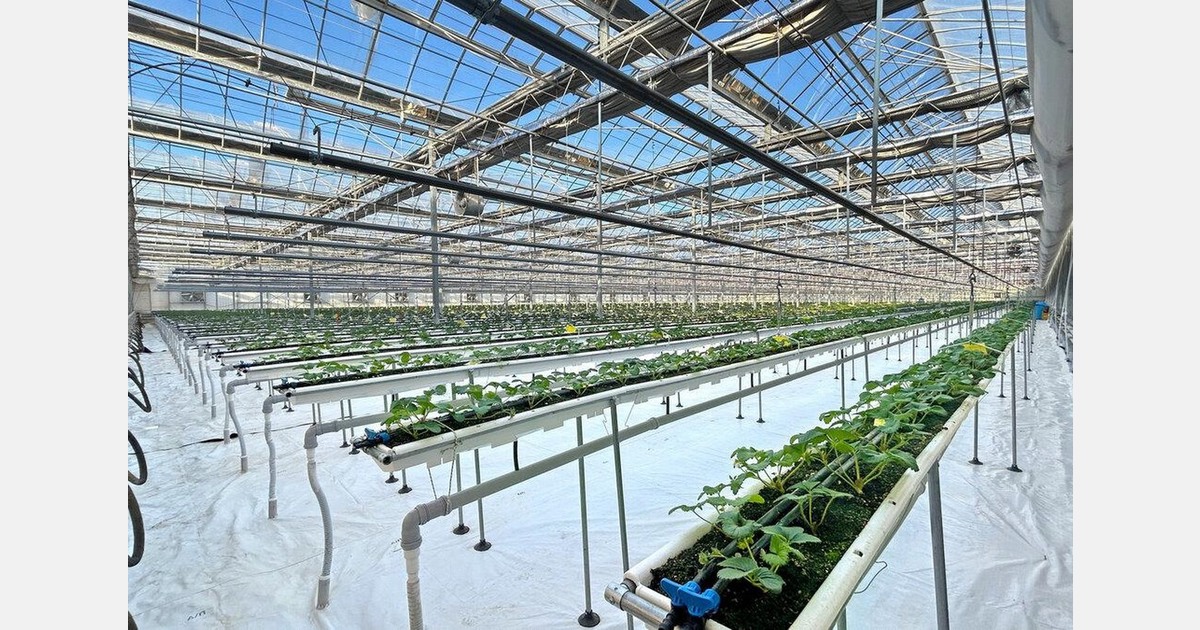
The variety is selected for its firmness, uniform fruit size, and suitability for long-distance transport. © Firmmit Greenhouse interior: left side is still in idle state, right side is after remodeling Hydroponic cultivation for uniform quality Hydroponics forms the technical foundation of the greenhouse system, enabling precise control over plant nutrition and irrigation.
Why this matters: For operators, the real question is whether the sensing, control, or data layer creates faster and better decisions. The facilities that win are the ones that turn visibility into tighter control and tighter control into better outcomes.
Frequently Asked Questions
Why does LED fixture selection matter in controlled environment agriculture?
Lighting decisions affect both crop performance and energy intensity. Fixture efficiency, spectral control, and placement all influence how much value a facility gets from every kilowatt-hour.
What should growers evaluate before adopting new LED systems?
Growers should look at fixture efficiency, controllability, crop-specific use case, integration with existing controls, and the operational payback period instead of treating lighting as a standalone hardware purchase.