
Mexico’s greenhouse industry adapts to a new water management reality
Source: HD.com
The recent reform of the National Water Law marks a significant shift, introducing stricter controls and redefining how water is allocated, monitored, and reused across sectors, including protected horticulture. Closed-loop irrigation systems and recirculation technologies are therefore becoming increasingly relevant, helping greenhouse operators reduce both water consumption and regulatory risk.
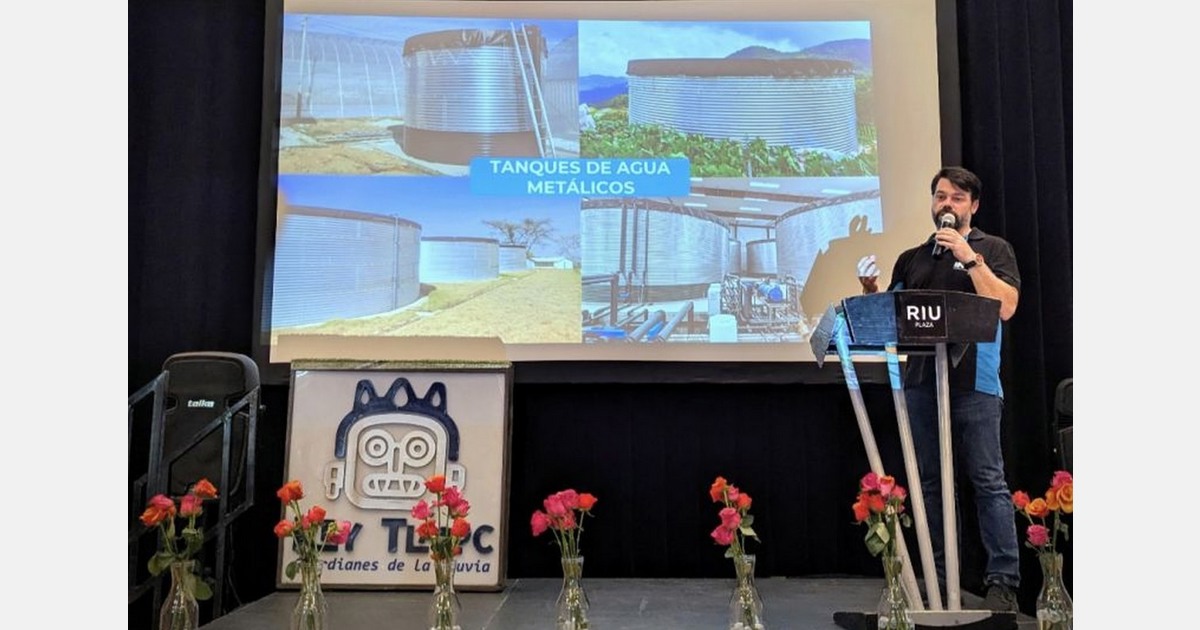
As the NPI team explained, "due to Mexico's new water regulations, the grower decided to install both basins," ensuring sufficient buffer capacity for both current production and planned expansion. As Garrigues concludes, the reform represents "greater centralization of the State, an emphasis on sustainability, strict control of water use, and a reinforced sanctioning regime." For Mexico's greenhouse industry, adapting to this new paradigm will require a combination of compliance, efficiency, and investment in advanced irrigation and storage systems, positioning water as a defining factor for future competitiveness.
Why this matters: This matters when it gives operators a clearer way to manage water, nutrients, and root-zone risk. That kind of control usually improves both resource efficiency and crop consistency.
Frequently Asked Questions
Why do retrofit and environmental-control choices matter so much?
Because these decisions affect every crop cycle that follows. A better control strategy can improve consistency and efficiency, while a poor one can lock in operating drag.
What should operators focus on when reading design or retrofit stories?
They should focus on what changed operationally: better climate stability, lower energy use, improved crop balance, easier labor, or cleaner control over inputs.


