New lineup allows growers to collect plant data manually, semi-autonomously, or with fully autonomous robots
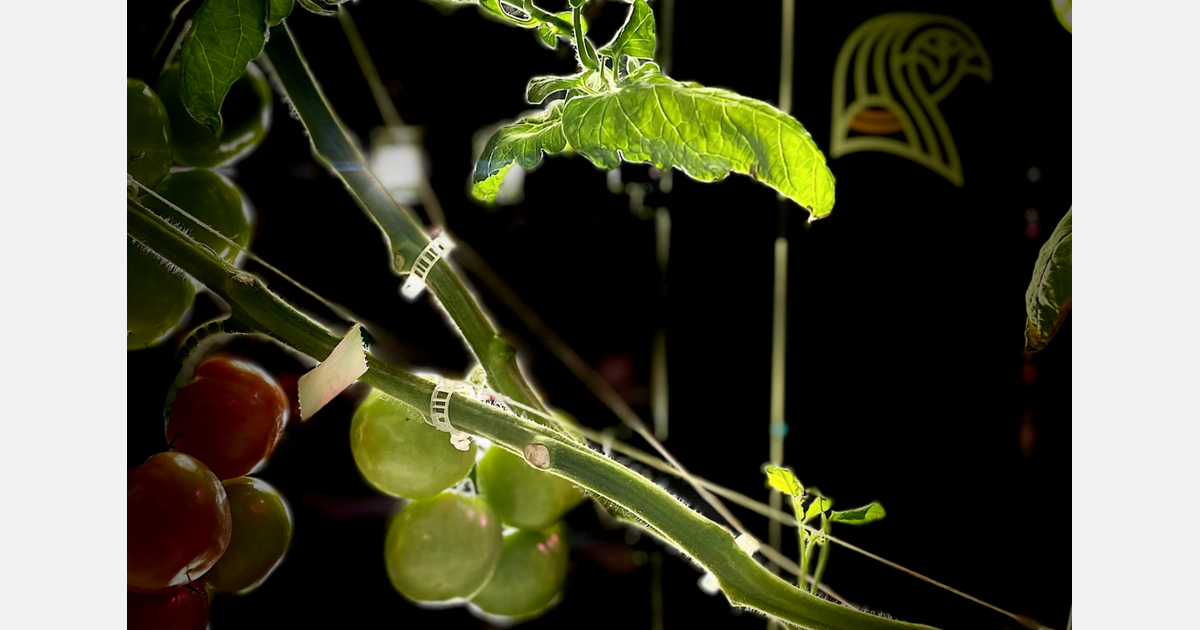
Source: HD.com
IUNU expands platform to scale crop intelligence across greenhouses New lineup allows growers to collect plant data manually, semi-autonomously, or with fully autonomous robots Every greenhouse grower knows the challenge. "Growers make important decisions every day about labour, harvest, and sales," said Ethan Takla, CTO of IUNU.
With battery life of 8 to 10 hours, the robots can scan large areas of the greenhouse overnight. When comparing these two simulations, the forecasting model using computer vision came out 11% more accurate 4+ weeks in advance." Regardless of how the data is collected, the goal remains the same: measure more plants, reduce uncertainty, and give growers clearer visibility into what is happening across the crop.
Why this matters: This matters when it gives operators a clearer way to manage water, nutrients, and root-zone risk. That kind of control usually improves both resource efficiency and crop consistency.
Frequently Asked Questions
What should growers evaluate before changing a lighting strategy?
They should look at crop type, canopy structure, current light distribution, energy cost, expected yield gain, and whether the new strategy improves whole-canopy efficiency.
Why is light distribution often as important as light quantity?
Because adding more photons to already saturated leaves does less work than improving how light reaches the parts of the canopy that are still underperforming.


