"Non-compliant biochar means inconsistent data, and inconsistent data means risk"
Source: VFD.com
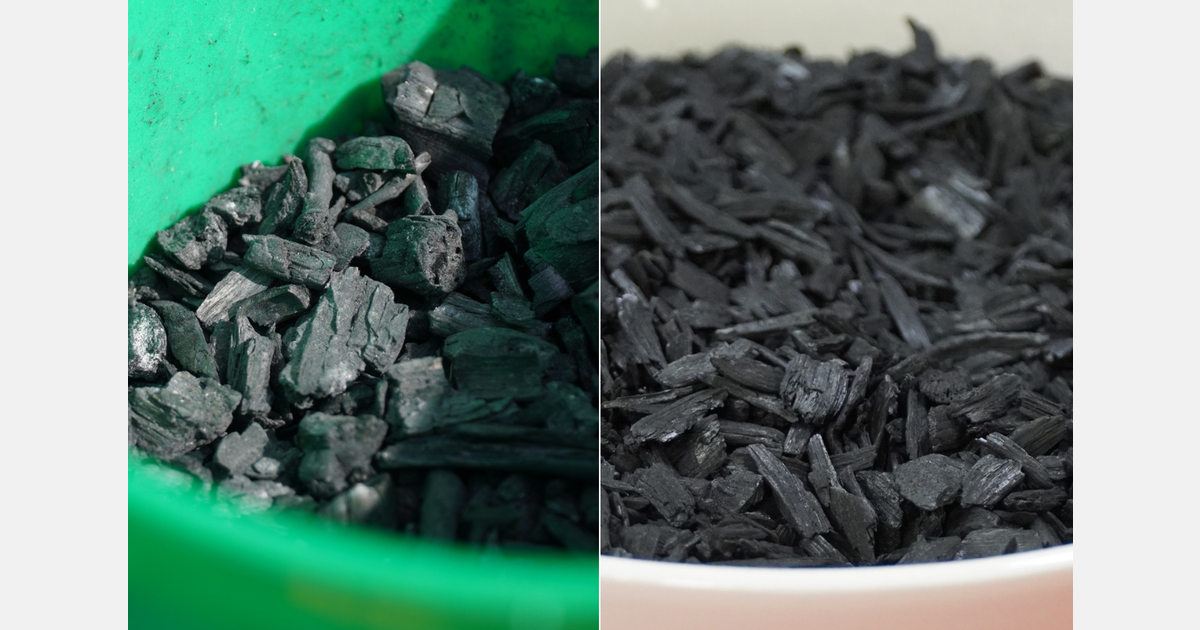
Biochar Initiative earlier this month, says its primary value for vertical farm and greenhouse operators is not in the supply chain itself, but in reducing the uncertainty that has slowed adoption. "By positioning as an institution, we emphasize our function as a trusted, independent source of science-based information, technical guidance, and standards," said Myles Gray, Executive Director of ABI.
"Our role is to reduce uncertainty in the market, helping operators make more informed sourcing decisions rather than altering how biochar is produced or distributed." © American Biochar Institute Myles Gray, Executive Director, and Tera Lewandowski, Director of Agricultural Markets, say standards and product classification tools can help growers evaluate biochar more consistently What the S668 standard means for sourcing For growers evaluating biochar as a substrate component, the ANSI/ASABE/USBI S668 standard is the practical starting point. The standard does not define what constitutes good or bad biochar, but it does require that key properties, including pH, ash content, porosity, and contaminant levels, are measured using consistent, repeatable methods across different suppliers and laboratories.
Why this matters: For operators, the real question is whether the sensing, control, or data layer creates faster and better decisions. The facilities that win are the ones that turn visibility into tighter control and tighter control into better outcomes.
Frequently Asked Questions
Why does LED fixture selection matter in controlled environment agriculture?
Lighting decisions affect both crop performance and energy intensity. Fixture efficiency, spectral control, and placement all influence how much value a facility gets from every kilowatt-hour.
What should growers evaluate before adopting new LED systems?
Growers should look at fixture efficiency, controllability, crop-specific use case, integration with existing controls, and the operational payback period instead of treating lighting as a standalone hardware purchase.