
"Non-compliant biochar means inconsistent data, and inconsistent data means risk"
Source: VFD.com
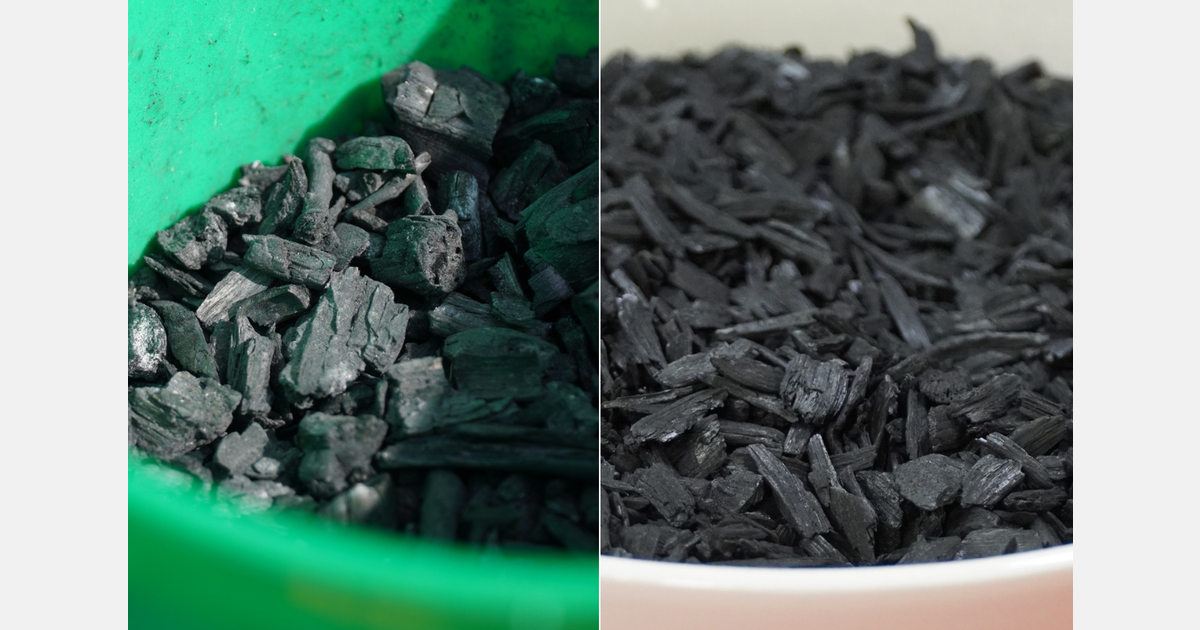
American Biochar Institute outlines how the S668 standard can help growers "Non-compliant biochar means inconsistent data, and inconsistent data means risk" As biochar draws growing attention from controlled environment growers seeking alternatives to peat and stone wool, the American Biochar Institute (ABI) is positioning itself as the standards and guidance body that commercial operators will need to navigate sourcing decisions. "Our role is to reduce uncertainty in the market, helping operators make more informed sourcing decisions rather than altering how biochar is produced or distributed." © American Biochar Institute Myles Gray, Executive Director, and Tera Lewandowski, Director of Agricultural Markets, say standards and product classification tools can help growers evaluate biochar more consistently What the S668 standard means for sourcing For growers evaluating biochar as a substrate component, the ANSI/ASABE/USBI S668 standard is the practical starting point.
It reduces guesswork and makes sourcing decisions more data-driven." Biochar that has not been tested under S668 is not automatically of poor quality, but it creates a different challenge. © American Biochar Institute ABI says particle size should be matched to the substrate component biochar is replacing, with growers advised to request size data and trial materials before committing Biochar Atlas to support product selection ABI is also developing the Biochar Atlas, an online classification tool expected to launch later in 2026.
Why this matters: This matters when it gives operators a clearer way to manage water, nutrients, and root-zone risk. That kind of control usually improves both resource efficiency and crop consistency.
Frequently Asked Questions
What should growers evaluate before changing a lighting strategy?
They should look at crop type, canopy structure, current light distribution, energy cost, expected yield gain, and whether the new strategy improves whole-canopy efficiency.
Why is light distribution often as important as light quantity?
Because adding more photons to already saturated leaves does less work than improving how light reaches the parts of the canopy that are still underperforming.


