Rethinking pest control: A mechanical approach gains ground in greenhouse production
Source: HD.com
“The key is not waiting for pressure to spike” Rethinking pest control: A mechanical approach gains ground in greenhouse production Conventional pesticides typically rely on synthetic active ingredients designed to interfere with insect physiology, targeting nervous or endocrine systems to induce mortality. While effective, these approaches inherently introduce compounds intended to disrupt biological processes.
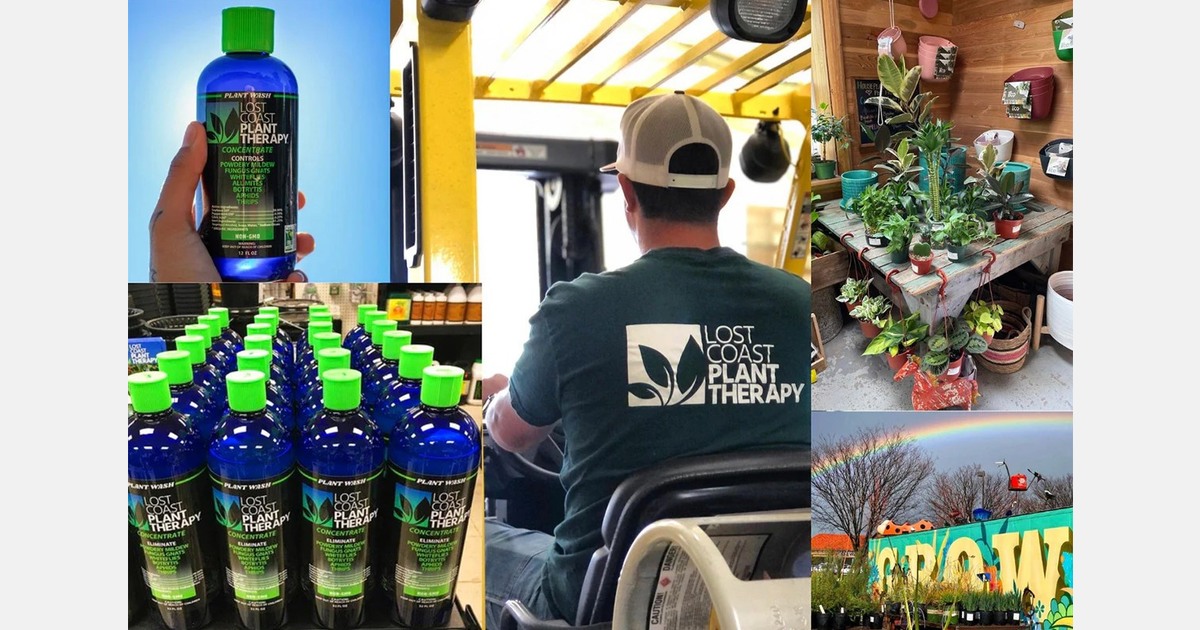
Lost Coast Plant Therapy instead employs a contact-based, mechanical mode of action. By coating soft-bodied insects and plant pathogens, the formulation physically suffocates and dehydrates them.
Why this matters: For operators, the real question is whether the sensing, control, or data layer creates faster and better decisions. The facilities that win are the ones that turn visibility into tighter control and tighter control into better outcomes.
Frequently Asked Questions
Why does LED fixture selection matter in controlled environment agriculture?
Lighting decisions affect both crop performance and energy intensity. Fixture efficiency, spectral control, and placement all influence how much value a facility gets from every kilowatt-hour.
What should growers evaluate before adopting new LED systems?
Growers should look at fixture efficiency, controllability, crop-specific use case, integration with existing controls, and the operational payback period instead of treating lighting as a standalone hardware purchase.