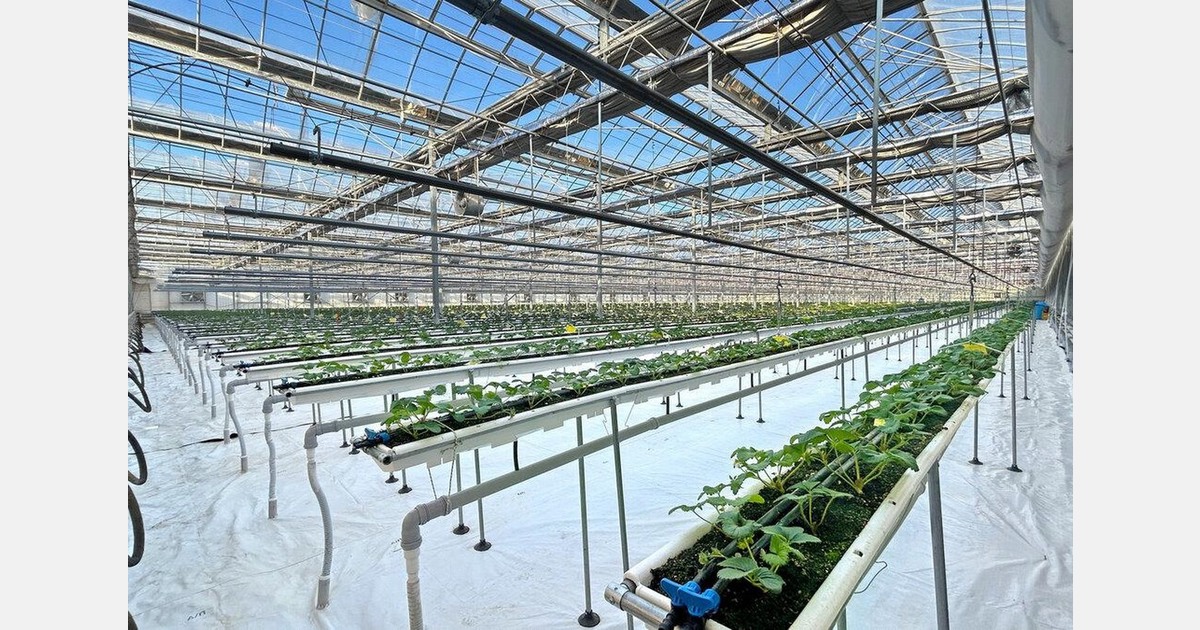
Shaping the future of horticulture and robots together
Source: HD.com
As we provide the news for free, we are relying on revenues from our banners. Shaping the future of horticulture and robots together Imagine: a robot gently picking a ripe strawberry without turning it into jam, a drone flying through a greenhouse to assess the health of cucumber plants, and sensors that detect exactly when a tomato is ready for harvest.
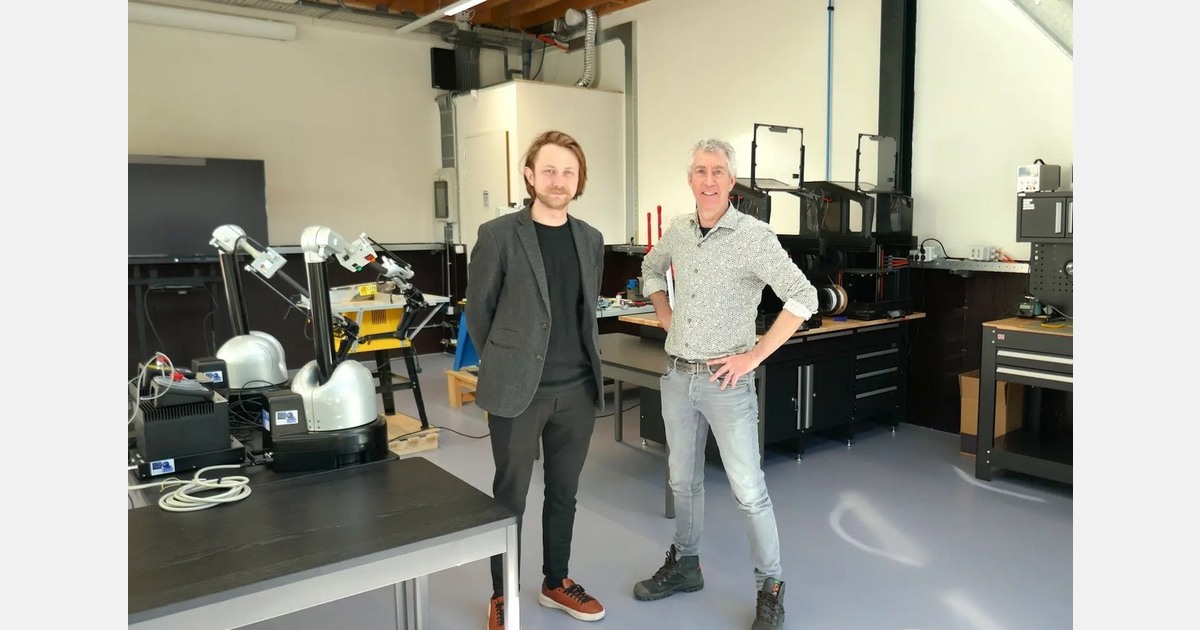
From its opening in june 2026, researchers, students, and businesses will collaborate here to build the future of horticulture, where technology and biology go hand in hand. Brightlands High Tech Agro is based in the Brightworks building at Brightlands Campus Greenport Venlo.
If you know the campus, it's the building with the distinctive zigzag roof. "We started preparing the spaces last year," explains Leonard Lucas, robotics engineer at Maastricht University.
Why this matters: For operators, the real question is whether the sensing, control, or data layer creates faster and better decisions. The facilities that win are the ones that turn visibility into tighter control and tighter control into better outcomes.
Frequently Asked Questions
Why does LED fixture selection matter in controlled environment agriculture?
Lighting decisions affect both crop performance and energy intensity. Fixture efficiency, spectral control, and placement all influence how much value a facility gets from every kilowatt-hour.
What should growers evaluate before adopting new LED systems?
Growers should look at fixture efficiency, controllability, crop-specific use case, integration with existing controls, and the operational payback period instead of treating lighting as a standalone hardware purchase.