Silent failures in greenhouse lighting can erode yield before operators see the problem
Source: HortiDaily
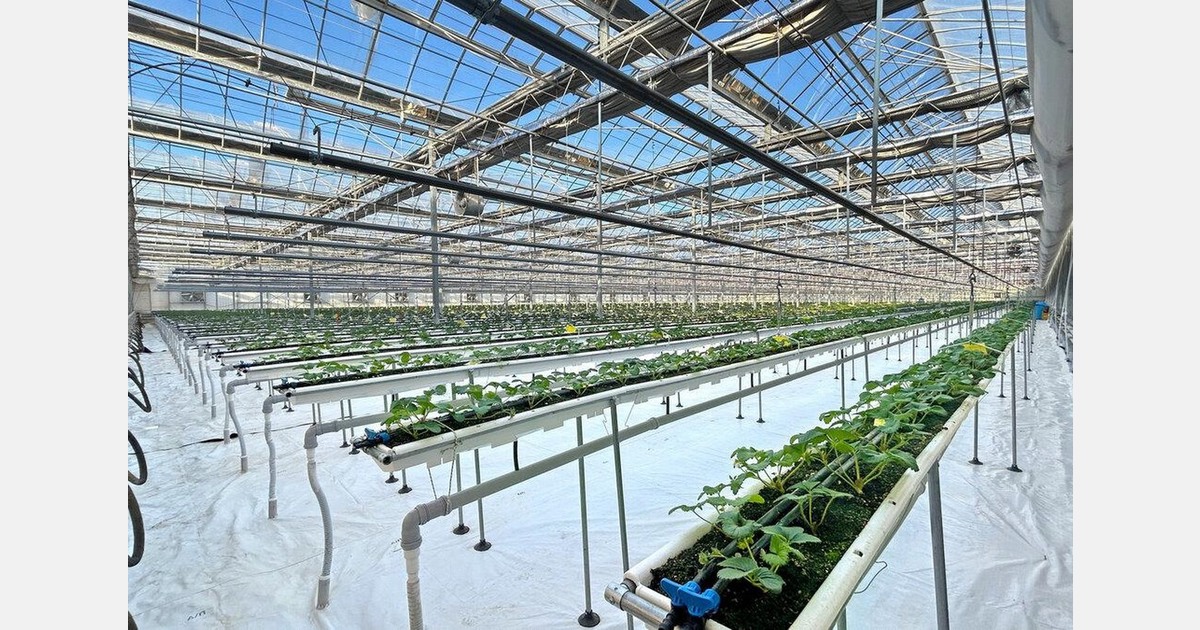
Dutch greenhouse operators are dealing with a costly problem that often stays hidden until harvest. LED drivers can run below rated output for days without triggering alarms, creating light deficits that show up later as weaker fruit set, delayed development, and uneven crop performance. In the example described by Netvion, a driver operating at only 60 percent output for eleven days would be easy to miss in real time but expensive to discover after the fact.
The platform described in the article connects directly to existing DALI and Modbus-compatible LED drivers and integrates with greenhouse lighting controls over standard protocols. It continuously tracks PPFD, DLI delivery, output power, temperature, and fault behavior by zone, then adjusts supplemental lighting to maintain grower-defined crop boundaries while shifting load into lower-cost energy hours when possible.
Netvion claims that on a one-megawatt lighting installation, moving roughly 1.5 hours of full-intensity load from expensive to cheap power periods can save about €100 to €165 on a high-spread day. Over a season, that can add up to roughly €10,000 to €16,000 per hectare per year without reducing the crop’s daily light target.
Why this matters: This is exactly the kind of operational signal Grownetics readers should care about. Facilities do not lose margin only through catastrophic failures. They lose it through small control degradations that sit below the visibility threshold until quality, uniformity, or energy spend starts slipping. Instrumentation that can verify delivered light, not just scheduled light, is a real control advantage.
Frequently Asked Questions
Why is silent lighting degradation such a serious greenhouse problem?
Because a small lighting shortfall sustained over multiple days can reduce crop performance before the issue is visible to the operator. The operational cost often appears later in yield, timing, and uniformity.
What should growers monitor beyond simple on and off lighting schedules?
Growers should monitor actual delivered PPFD, DLI by zone, driver behavior, and fault trajectories. Scheduled output does not guarantee the crop received the intended light.