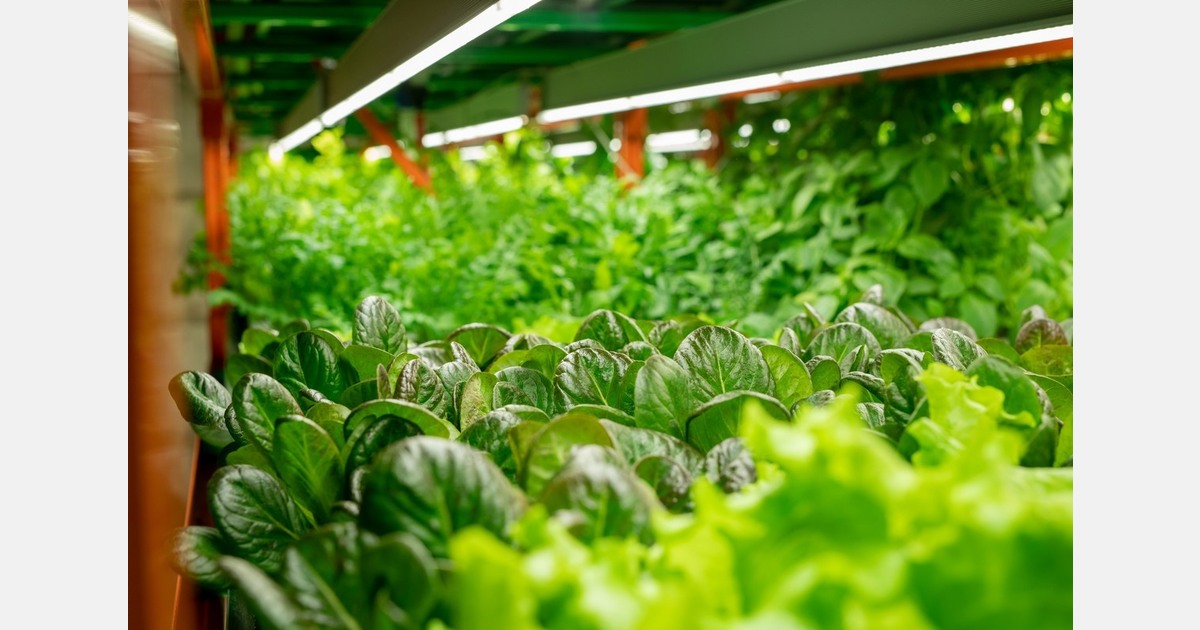
"Smarter light for smarter growing"

Source: HD.com
Today, the industry is increasingly focused on precision, automation and crop-specific optimization as growers look for new ways to improve yield, quality and operational efficiency. "Key trends shaping the industry include dynamic spectrum control, higher efficacy LEDs, AI-driven environmental integration and advanced light recipes tailored to specific crops and growth stages." As controlled-environment agriculture expands globally, growers are placing greater emphasis on precision lighting strategies that maximize performance while reducing energy use.
"Growers are using tailored spectral recipes to optimize plant morphology, flowering, yield, color, nutrient content and secondary metabolite production while improving overall energy efficiency." As horticultural science advances, customized spectra are moving from a competitive advantage to a practical requirement for growers seeking consistency and quality in controlled environments. "Fixture failures can lead to uneven plant growth, reduced yields, costly maintenance and operational downtime that directly impact profitability." Because of this, sulfur resistance and long-term durability are becoming increasingly important considerations for commercial growers looking to reduce maintenance costs and maintain predictable crop production cycles.
© CREE LED Looking ahead, Morgan sees horticultural LED technology moving toward fully integrated and intelligent lighting ecosystems that combine automation, spectral control and environmental responsiveness. Future developments will likely include tighter integration between lighting, sensors and greenhouse automation platforms, alongside continued improvements in efficacy, thermal management and moisture resistance.
Why this matters: For operators, this is a water-management story. The useful signal is that direct substrate measurements can help cut drain loss materially without giving up yield or fruit quality, which is exactly the kind of controllable efficiency gain a facility can build on.
Frequently Asked Questions
Why does substrate sensing matter in free-drain strawberry systems?
Because drain percentage tells a grower what already happened, while substrate moisture and EC data show root-zone conditions directly. That makes it easier to cut water loss without guessing.
What is the operator takeaway from this trial?
If the thresholds are understood well enough, growers can reduce drain water materially while protecting yield and fruit quality, which makes sensing an operational tool instead of a reporting tool.