
"So many new local greenhouses that it's hard to stand out"
Source: HD.com
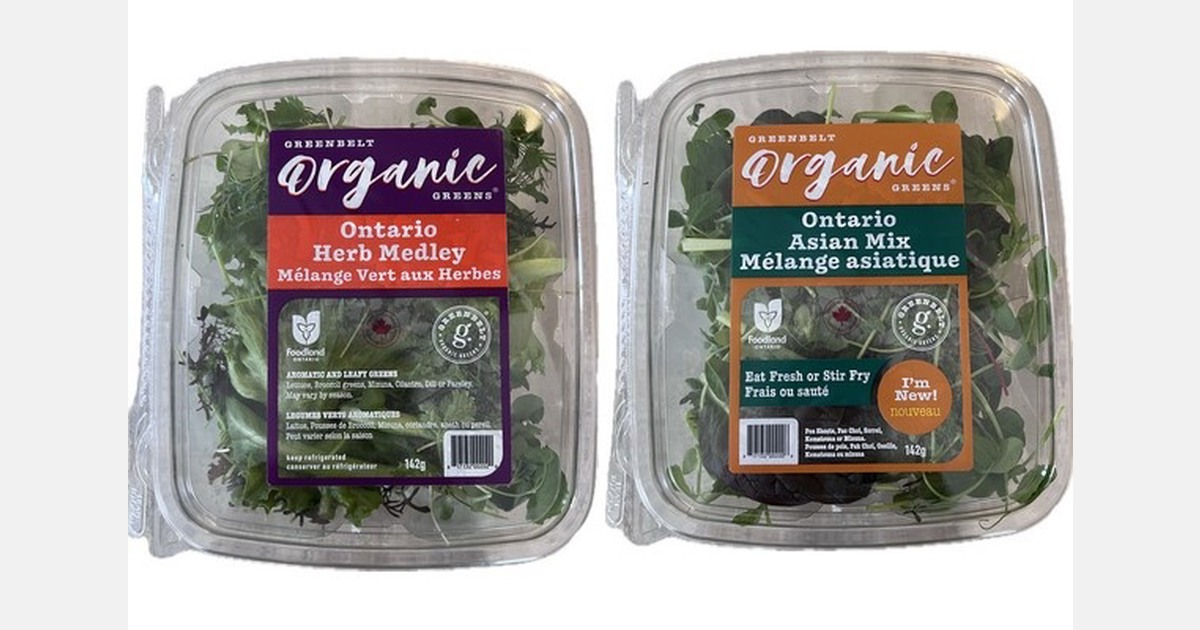
differentiation on store shelves key for Greenbelt Organic Greens: "So many new local greenhouses that it's hard to stand out" Catching the eye of consumers scanning store shelves can be a challenge in the greenhouse-grown or controlled environment agriculture (CEA) leafy greens category. "There are so many new local greenhouse or vertical farm operations that are really designed specifically for lettuce production," says Ian Adamson of Greenbelt Organic Greens, a certified organic controlled environment agriculture (CEA) grower in Ontario, Canada.
Especially given the fact that retailers consider products like these to be direct competitors to those U.S. "Unfortunately it shows in retail pricing because we can't drive that price any lower than we currently have." Add to that the challenge of increased costs.
Why this matters: This matters when it gives operators a clearer way to manage water, nutrients, and root-zone risk. That kind of control usually improves both resource efficiency and crop consistency.
Frequently Asked Questions
What should growers evaluate before changing a lighting strategy?
They should look at crop type, canopy structure, current light distribution, energy cost, expected yield gain, and whether the new strategy improves whole-canopy efficiency.
Why is light distribution often as important as light quantity?
Because adding more photons to already saturated leaves does less work than improving how light reaches the parts of the canopy that are still underperforming.


