
The future of lit cultivation in the Netherlands: opportunities and rising costs
Source: HD.com
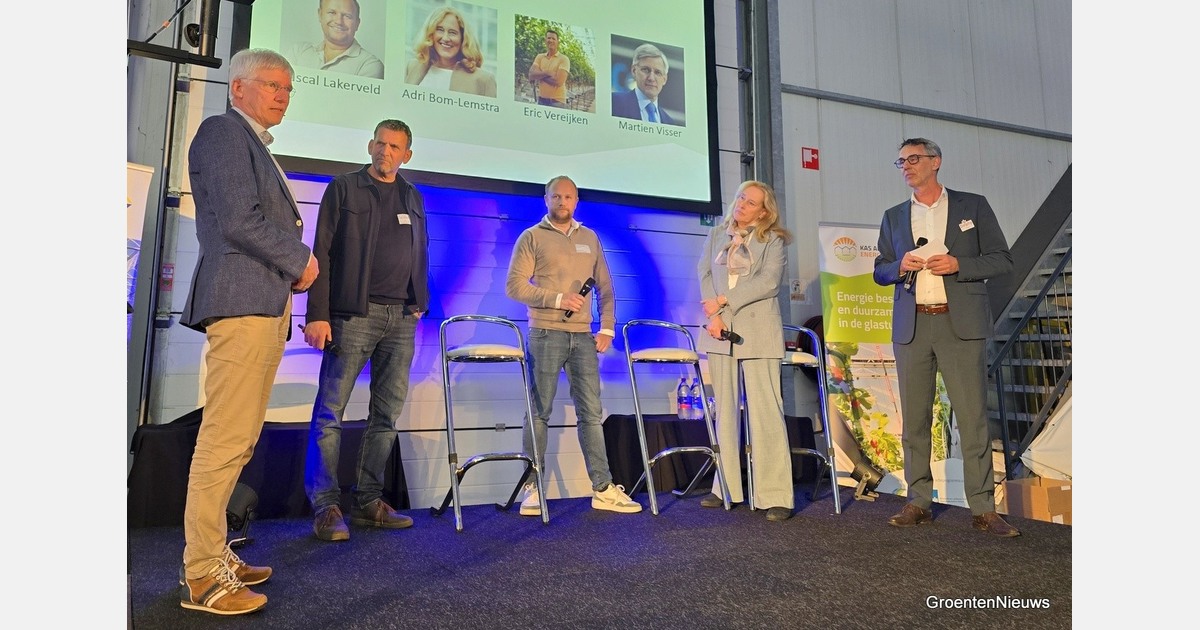
The future of lit cultivation in the Netherlands: opportunities and rising costs The Dutch greenhouse sector is facing a new round of uncertainty. The LichtEvent, now in its seventh edition, has for several years drawn growers and technology partners to Bleiswijk to keep abreast of the latest research findings.
Demand for greenhouse produce remains strong, and the sector's high-tech energy systems also serve a wider social function. For tomato growers who want to continue using supplemental lighting, keeping production costs under control is essential.
Why this matters: This matters when it gives operators a clearer way to manage water, nutrients, and root-zone risk. That kind of control usually improves both resource efficiency and crop consistency.
Frequently Asked Questions
What should growers evaluate before changing a lighting strategy?
They should look at crop type, canopy structure, current light distribution, energy cost, expected yield gain, and whether the new strategy improves whole-canopy efficiency.
Why is light distribution often as important as light quantity?
Because adding more photons to already saturated leaves does less work than improving how light reaches the parts of the canopy that are still underperforming.


