Tuned LED light traps offer new hope against diamondback moth in South African brassicas
Source: HD.com
As we provide the news for free, we are relying on revenues from our banners. This initiative, driven by collaboration between commercial growers and technical teams, represents a shift toward precision pest management tools in both greenhouse and open-field production systems.
© Woolworths A decade of innovation Tom Murray, Technical Manager: Fresh Fruit and Horticulture at Woolworths South Africa, traces the work back to a long-standing partnership with brassica grower Peter Leppan. "He's one of our main brassica growers, and diamondback moths have been an issue for him for many, many years.
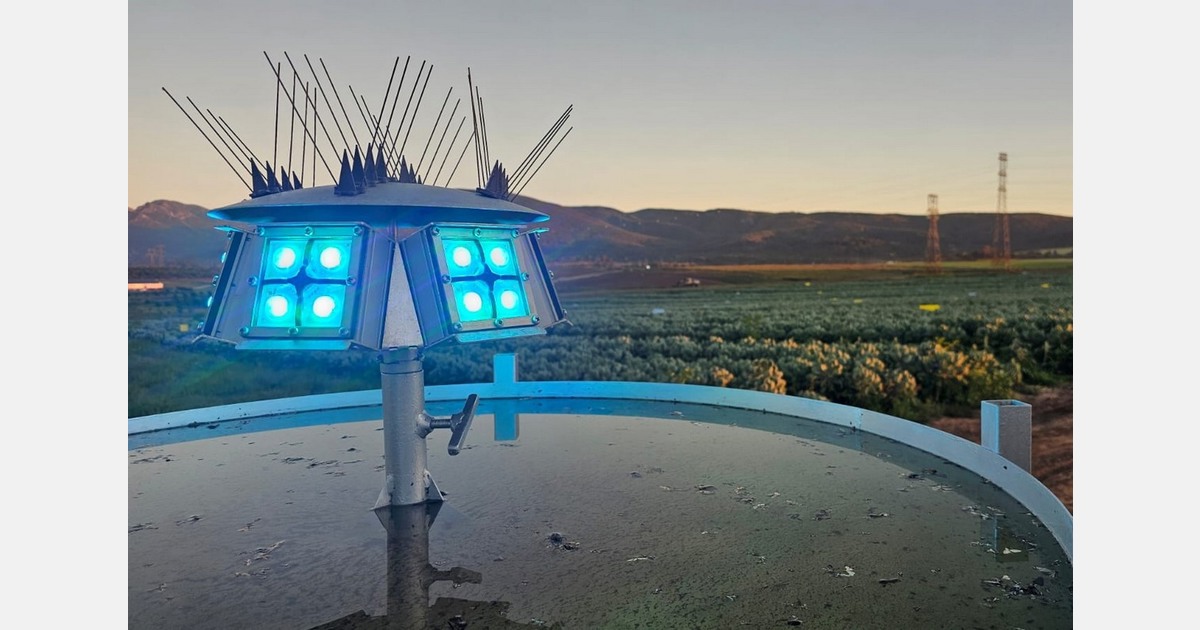
This is actually the original farm where we started looking at LED light applications about ten years ago." The current phase of the project focuses on refining "tuned frequencies" to selectively attract pest species without significantly affecting beneficial insects. "When we had the opportunity to deploy tuned frequencies for moths, we prioritized sending units to his farm," Tom shares.
Why this matters: For operators, the real question is whether the sensing, control, or data layer creates faster and better decisions. The facilities that win are the ones that turn visibility into tighter control and tighter control into better outcomes.
Frequently Asked Questions
Why does LED fixture selection matter in controlled environment agriculture?
Lighting decisions affect both crop performance and energy intensity. Fixture efficiency, spectral control, and placement all influence how much value a facility gets from every kilowatt-hour.
What should growers evaluate before adopting new LED systems?
Growers should look at fixture efficiency, controllability, crop-specific use case, integration with existing controls, and the operational payback period instead of treating lighting as a standalone hardware purchase.