
Tuned LED light traps offer new hope against diamondback moth in South African brassicas
Source: HD.com
This initiative, driven by collaboration between commercial growers and technical teams, represents a shift toward precision pest management tools in both greenhouse and open-field production systems. "At this stage, it's very much about trialing and understanding which moth species respond to specific frequencies." Grower perspective: Early adoption under high pest pressure From a commercial production standpoint, Peter Leppan's experience highlights both the urgency of improved diamondback moth control and cautious optimism around emerging technologies.
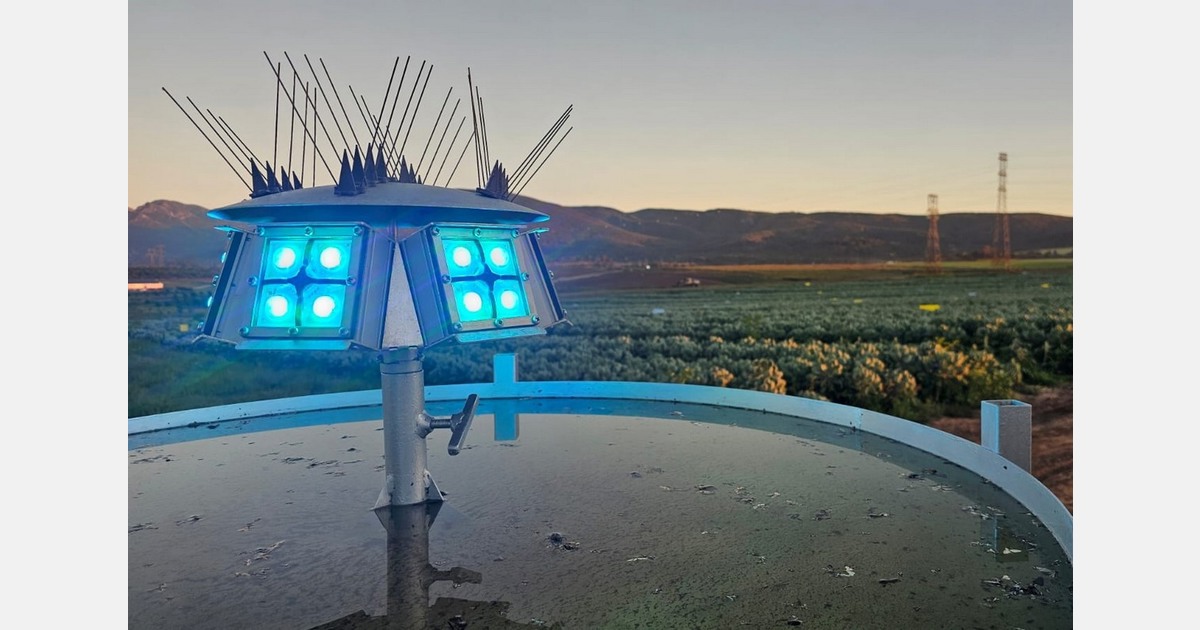
"We refer to this pan light as the 'Fatal Attraction 360'," he says, describing the full-spectrum unit. A directional version, the "Fatal Attraction 180," emits light in a single direction, allowing it to be positioned near housing or infrastructure without light reflecting.
Why this matters: This matters when it gives operators a clearer way to manage water, nutrients, and root-zone risk. That kind of control usually improves both resource efficiency and crop consistency.
Frequently Asked Questions
What should growers evaluate before changing a lighting strategy?
They should look at crop type, canopy structure, current light distribution, energy cost, expected yield gain, and whether the new strategy improves whole-canopy efficiency.
Why is light distribution often as important as light quantity?
Because adding more photons to already saturated leaves does less work than improving how light reaches the parts of the canopy that are still underperforming.


