USDA proposes allowing synthetic CO2 for organic greenhouse production under specific conditions

Source: HortiDaily
The USDA Agricultural Marketing Service has proposed a rule that would allow synthetic carbon dioxide to be used in organic crop production under specific conditions. The proposal would add CO2 to the National Organic Program list for two uses: adjusting irrigation water pH and atmospheric enrichment in greenhouses and other indoor growing environments.
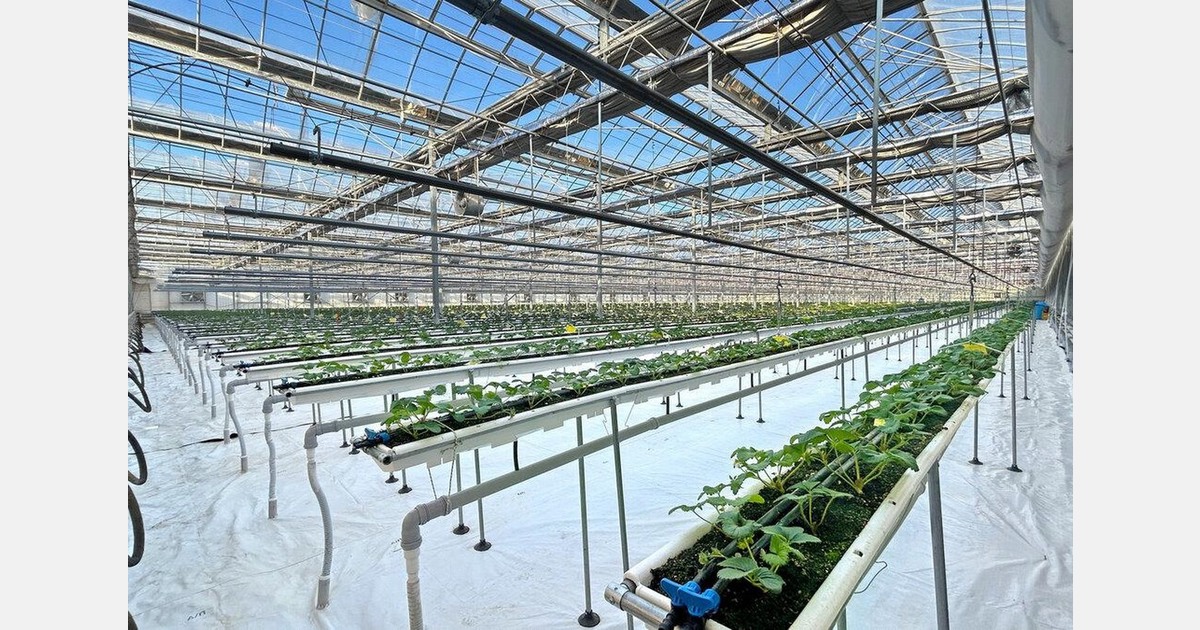
The greenhouse angle is the most operationally significant. The National Organic Standards Board noted that optimal CO2 levels in controlled environments often fall in the 800 to 1,000 ppm range, especially when ventilation is limited and crops quickly deplete available CO2. The proposal would limit approved use to byproduct CO2 sources for indoor enrichment, while recognizing that alternative natural sources are not commercially viable at scale.
The rule is still open for comment, but if finalized it would expand the toolset available to organic greenhouse operators while keeping the practice inside organic compliance. It would also clarify a point that affects facility design, enrichment planning, and irrigation chemistry decisions.
Why this matters: This is a real compliance-and-operations crossover story. When regulation changes what is permitted inside a controlled environment, the implications reach beyond certification. It affects greenhouse design assumptions, enrichment strategy, water treatment choices, and the economics of running high-performance organic production systems.
Frequently Asked Questions
What would the USDA rule change allow organic growers to do?
The proposal would allow synthetic carbon dioxide for irrigation water pH adjustment and for atmospheric enrichment in greenhouses and indoor crop production under specified conditions.
Why is this important for greenhouse operators?
Because CO2 enrichment can be essential in controlled environments where plants rapidly deplete available CO2. A rule change like this affects both compliance strategy and facility performance planning.