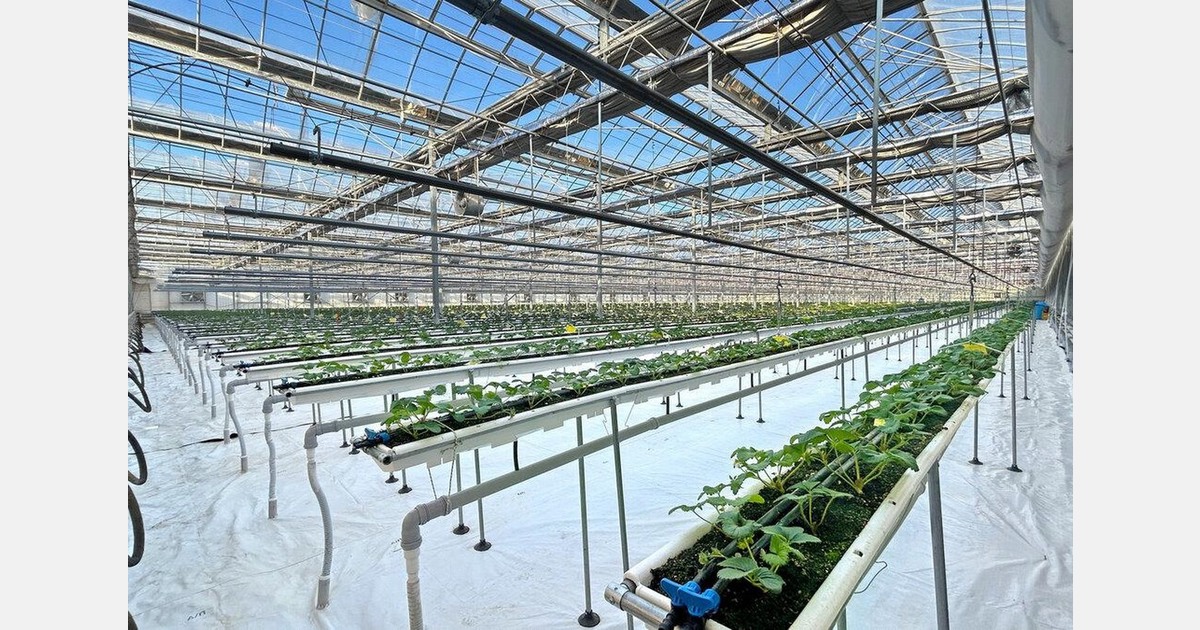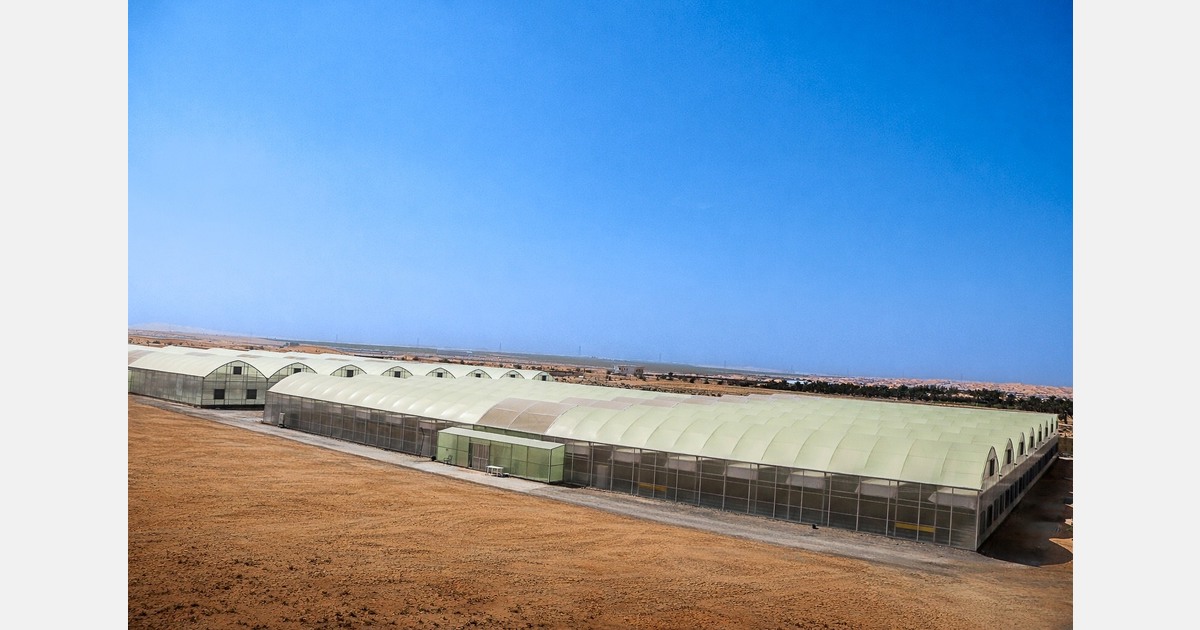
What is the potential of controlled environment strawberry production within the South central United States?
Source: VFD.com
What is the potential of controlled environment strawberry production within the South central United States? As we provide the news for free, we are relying on revenues from our banners.
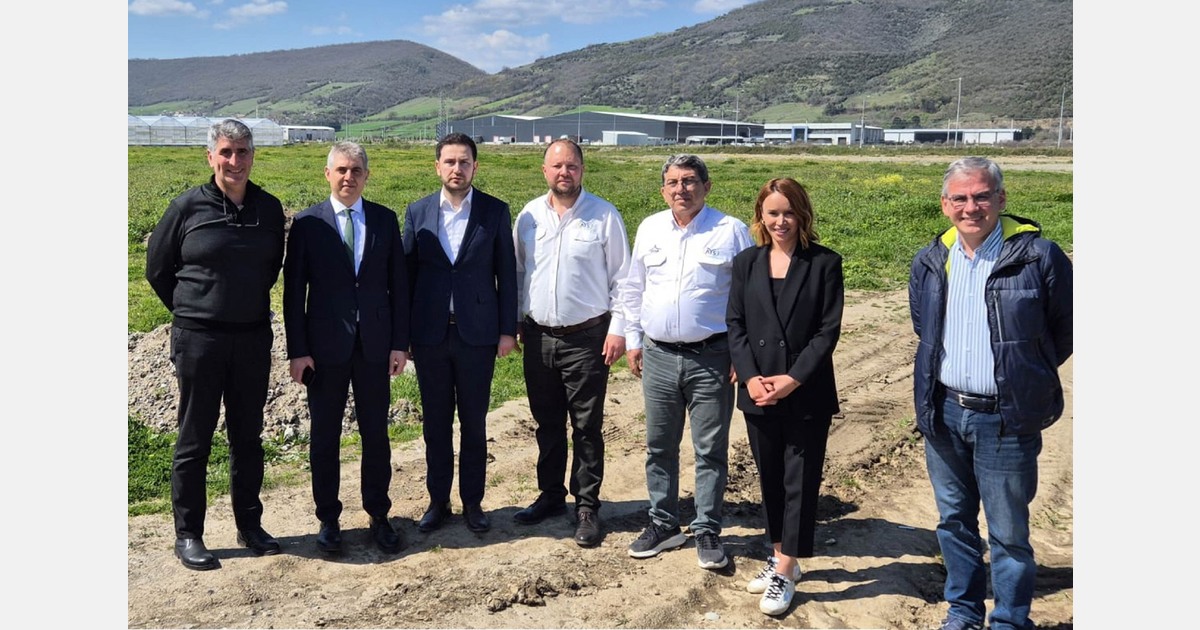
What is the potential of controlled environment strawberry production within the South central United States? An interdisciplinary group of researchers in the south central United States is visiting existing strawberry growing operations to evaluate a pathway to greater production quantity and quality using controlled environment growing methods © Mississippi State University Strawberries rank among the most popular fresh fruits within the US, and consumers expect fresh strawberries year-round.
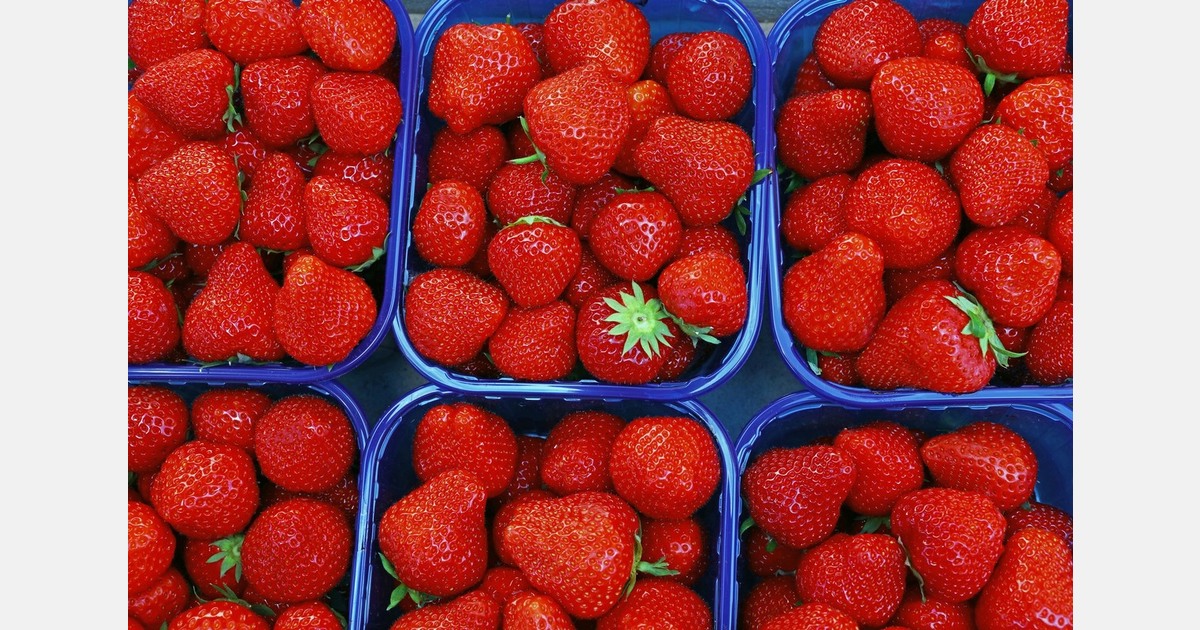
Strawberries are enjoyed for their taste, convenience, and nutritional benefits.(1) US strawberry consumption (2024) was approximately 1.24 billion kg (3.6 kg per capita). High demand has driven an open field production and distribution model which relies on seasonal rotation between Mexico, California, and Florida.
Why this matters: For operators, the real question is whether the sensing, control, or data layer creates faster and better decisions. The facilities that win are the ones that turn visibility into tighter control and tighter control into better outcomes.
Frequently Asked Questions
Why does LED fixture selection matter in controlled environment agriculture?
Lighting decisions affect both crop performance and energy intensity. Fixture efficiency, spectral control, and placement all influence how much value a facility gets from every kilowatt-hour.
What should growers evaluate before adopting new LED systems?
Growers should look at fixture efficiency, controllability, crop-specific use case, integration with existing controls, and the operational payback period instead of treating lighting as a standalone hardware purchase.