Comparing greenhouse cucumber cultivation in arid regions with native crops
Source: HD.com
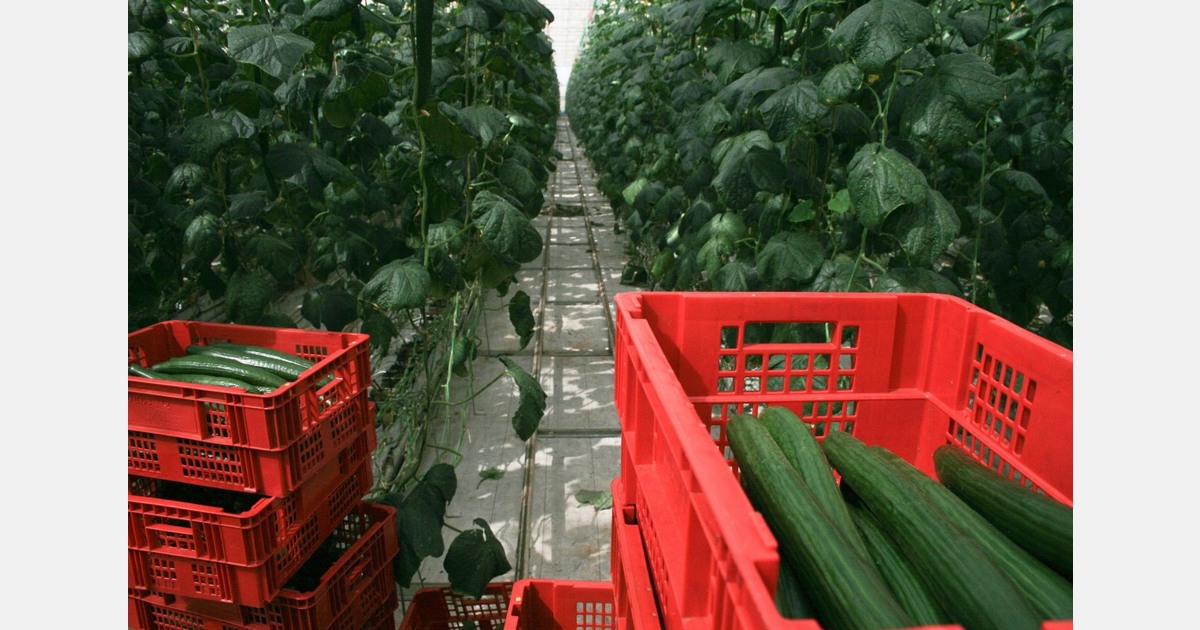
As we provide the news for free, we are relying on revenues from our banners. Insisting on cultivating water-intensive products, especially cucumber, in areas facing severe water shortages has led to environmental and ecological challenges.
Therefore, moving towards water-resistant species and encouraging and informing farmers are imperative to fulfill the sustainable agriculture goals. Hence, this study was conducted to assess the environmental and economic burdens of cucumber compared to Opuntia ficus-indica cultivation, a drought-tolerant plant, in an arid region of eastern Iran.
The life cycle assessment (LCA) was performed on a functional unit of one ton of product, encompassing every stage from greenhouse construction through to harvest. The cost analysis was also carried out over a 25-year cultivation horizon.
Why this matters: For operators, the real question is whether the sensing, control, or data layer creates faster and better decisions. The facilities that win are the ones that turn visibility into tighter control and tighter control into better outcomes.
Frequently Asked Questions
Why does LED fixture selection matter in controlled environment agriculture?
Lighting decisions affect both crop performance and energy intensity. Fixture efficiency, spectral control, and placement all influence how much value a facility gets from every kilowatt-hour.
What should growers evaluate before adopting new LED systems?
Growers should look at fixture efficiency, controllability, crop-specific use case, integration with existing controls, and the operational payback period instead of treating lighting as a standalone hardware purchase.